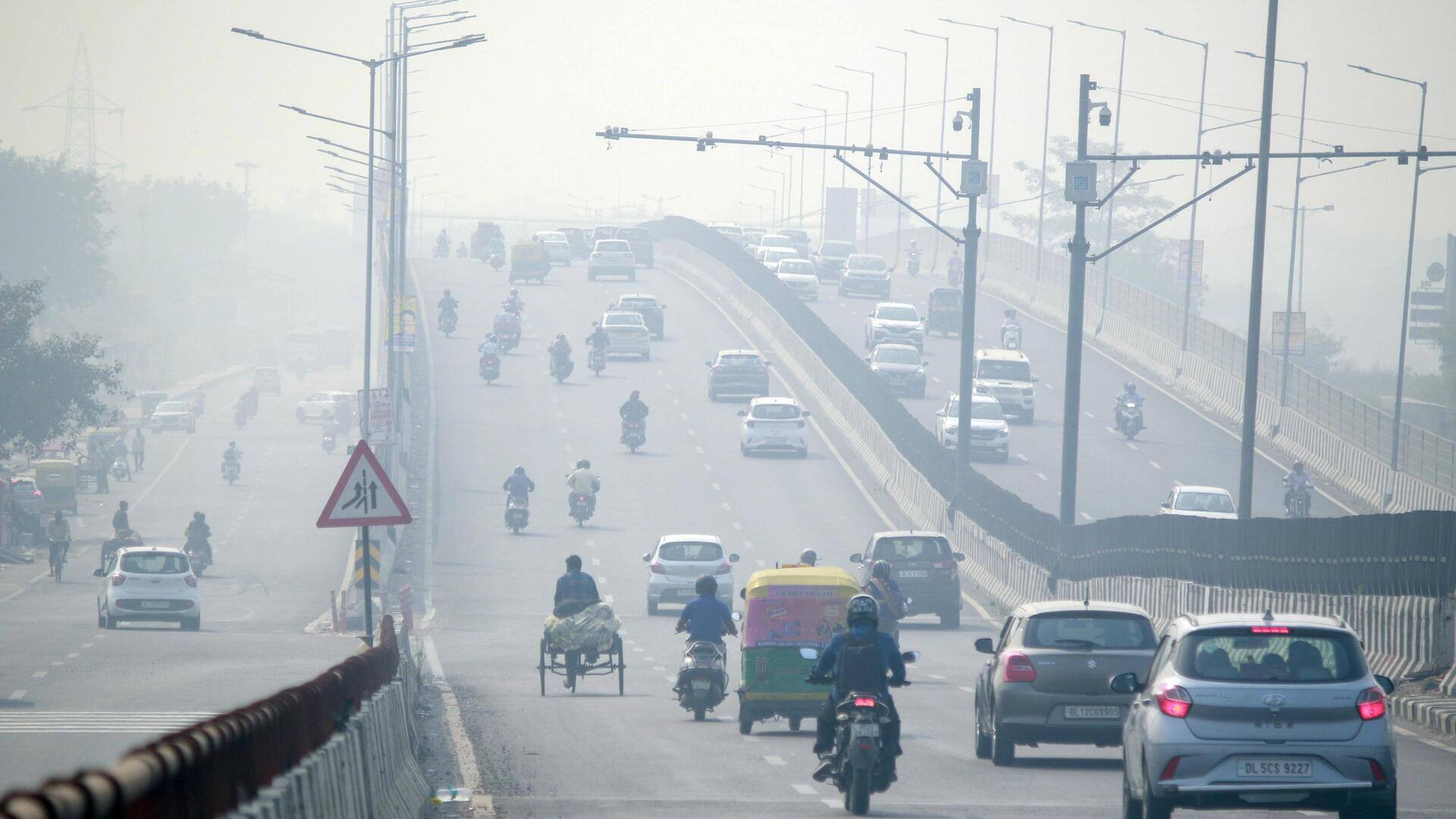
Air pollution levels in the national capital are once again approaching a critical seasonal turning point as the city’s Delhi air quality index inches closer to the “poor” category. Data released by the national pollution monitoring authority shows the city’s 24-hour average Air Quality Index (AQI) climbing to 189 on Monday, placing conditions firmly in the “moderate” range but edging close to the threshold that signals more severe pollution episodes.Urban environmental experts say the current trend reflects the familiar transition that Delhi experiences each year as the monsoon retreats and atmospheric conditions begin to trap pollutants closer to the ground. Lower wind speeds, falling temperatures and increased agricultural burning in neighbouring regions often combine to worsen Delhi air quality through the late autumn and early winter months.
Forecast models developed under the national air quality early warning system suggest pollution levels could move into the “poor” category within days if weather conditions remain unfavourable. Once the AQI crosses the 200 mark, health advisories typically become more prominent, especially for children, older residents and people with respiratory conditions. Environmental planners note that the capital’s pollution challenge is influenced by a combination of local and regional sources. Vehicle emissions, industrial activity, construction dust and waste burning contribute significantly within city limits. Seasonal factors such as crop residue burning in northern agricultural states can further intensify particulate pollution when wind patterns carry smoke toward the capital. The upcoming festival period also raises concerns among environmental groups and public health experts. Firecracker use during celebrations has historically contributed to sudden spikes in particulate pollution, particularly when weather conditions limit atmospheric dispersion.
Authorities have been exploring regulatory and technological measures to manage the impact of fireworks while balancing cultural practices. Recent policy discussions have focused on encouraging the use of low-emission alternatives while increasing enforcement against the sale of prohibited conventional firecrackers. However, environmental advocates argue that past attempts to regulate fireworks have faced enforcement challenges, particularly when public awareness and compliance remain inconsistent. Urban pollution specialists say addressing Delhi’s air quality crisis requires sustained structural changes rather than seasonal interventions alone. Policy analysts point out that long-term improvement in Delhi air quality depends on multiple factors, including the transition to cleaner transport systems, stricter industrial emissions monitoring and better management of construction-related dust. Expanding electric public transport networks and promoting low-emission urban mobility are increasingly viewed as critical components of cleaner city planning. Climate and urban health experts also emphasise the importance of coordinated regional action. Since a large share of pollution originates outside the capital’s administrative boundaries, collaborative policy approaches between neighbouring states are necessary to achieve lasting improvements.
For residents, the coming weeks will likely determine how severe the city’s pollution season becomes. Monitoring agencies continue to track atmospheric conditions and emissions data closely as authorities prepare for possible measures aimed at mitigating the next phase of declining Delhi air quality.