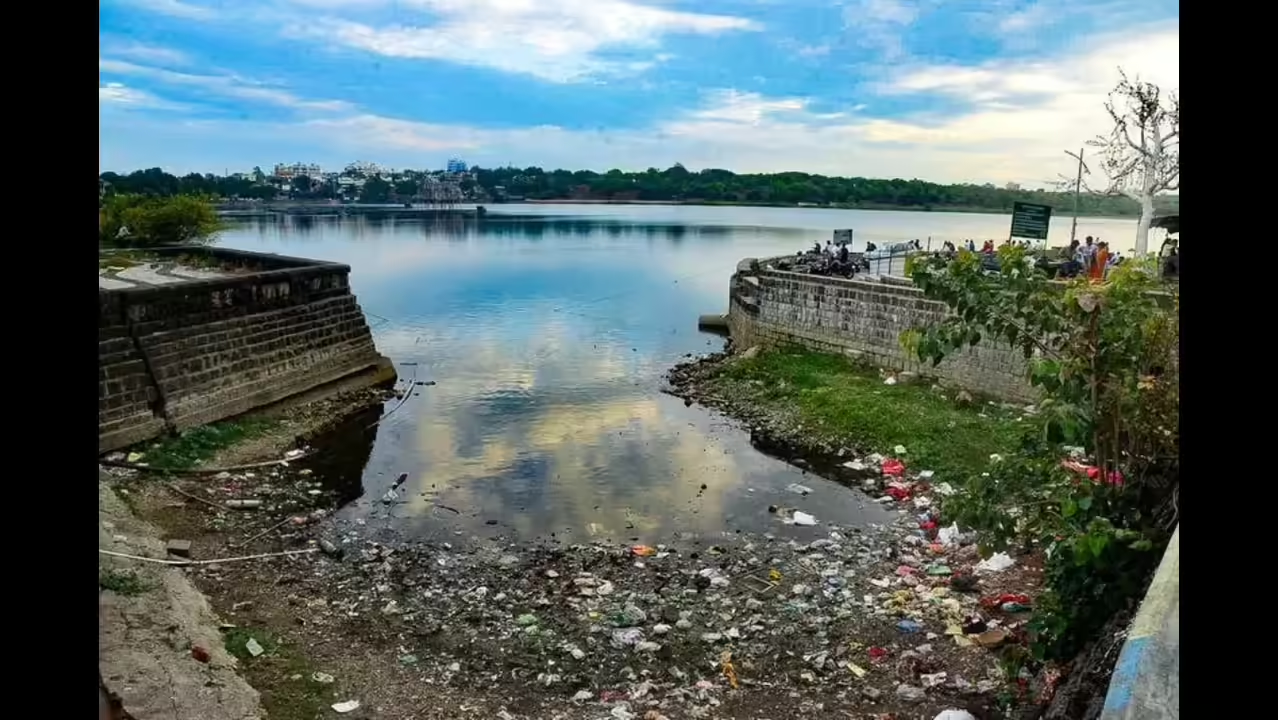
Environmental concerns surrounding one of Nagpur’s most prominent water bodies have drawn the attention of judicial authorities, with the National Green Tribunal seeking a comprehensive Futala Lake revival plan from state and municipal agencies. The directive follows growing concerns about deteriorating ecological conditions in the lake and similar urban water bodies across the city.
Futala Lake, a historically significant reservoir and public recreation space in Nagpur, has long served as an ecological and social asset. However, environmental monitoring and civic observations suggest that the lake’s water quality and surrounding ecosystem have come under increasing pressure due to urbanisation, sewage inflows and poorly regulated development around its catchment.Officials involved in environmental management say that preparing a detailed Futala Lake revival plan will require coordination between multiple government departments, including municipal authorities, environmental regulators and water resource agencies. Such plans typically include measures such as wastewater diversion, desilting operations, restoration of natural drainage channels and protection of lake buffer zones.Urban ecologists note that lakes play a critical role in the sustainability of fast-growing cities. Besides supporting biodiversity, urban lakes help regulate local microclimates, recharge groundwater and mitigate flooding during heavy rainfall events. When these water bodies degrade, cities lose vital environmental buffers that protect them from climate risks.
In Nagpur, where several lakes form part of the city’s natural hydrological network, the condition of water bodies has become a growing policy concern. Rapid urban expansion, increased construction activity and inadequate wastewater management systems have placed pressure on natural water systems that historically supported the region’s ecology.Experts argue that restoring lakes requires more than cosmetic beautification efforts. Effective lake restoration must focus on improving water quality, preventing untreated sewage discharge and safeguarding surrounding green buffers. Without such measures, lakefront developments or tourism-oriented projects may fail to address underlying ecological degradation.The Futala Lake revival plan is also expected to examine long-term governance mechanisms for protecting urban water bodies. Environmental planners often recommend creating dedicated lake management authorities, establishing ecological monitoring systems and strengthening enforcement against encroachments.
Urban sustainability specialists emphasise that protecting lakes is essential for climate resilience in cities. Natural water bodies function as urban cooling zones and stormwater retention basins, both of which become increasingly important as cities face rising temperatures and extreme rainfall patterns.For Nagpur residents, Futala Lake remains an important public space and environmental landmark. Reviving the lake could therefore deliver both ecological and social benefits by improving water quality, restoring biodiversity and enhancing access to nature within the urban landscape.
As authorities prepare the Futala Lake revival plan, the focus will likely shift toward ensuring that restoration efforts move beyond short-term interventions and address the structural environmental challenges affecting the city’s lakes.