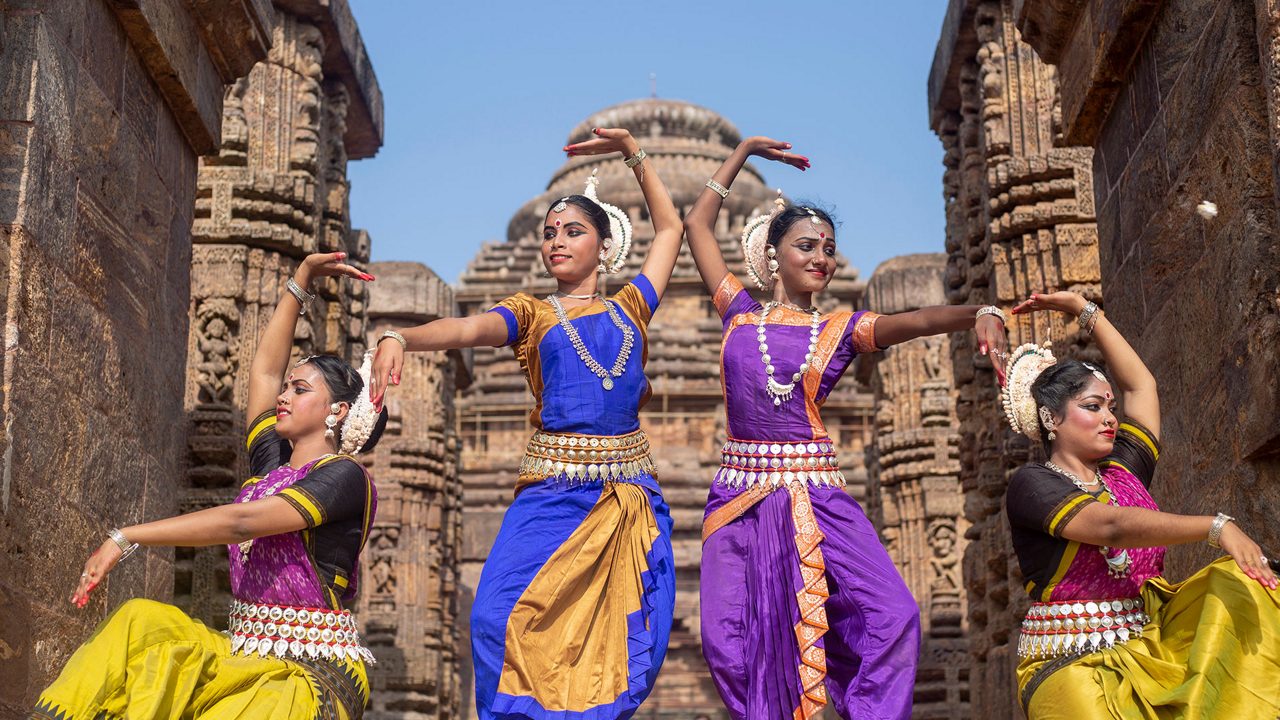
Bhubaneswar Theatre Festival Highlights Folk Arts Legacy
Bhubaneswar’s long-running theatre gathering has once again placed the spotlight on the role of performing arts in preserving regional identity and supporting the cultural economy. During the latest edition of a prominent Bhubaneswar theatre festival, a senior journalist and theatre practitioner from Kandhamal district was recognised for sustained work in theatre, folk research and cultural documentation, underscoring how grassroots creative industries continue to shape Odisha’s urban cultural ecosystem.
Held at a major public cultural venue in the Odisha capital, the annual festival has evolved into one of the state’s most established theatre platforms, attracting playwrights, actors and cultural researchers from across eastern India. Organised by a regional theatre collective, the event brings together artists, scholars and audiences to discuss performance traditions while showcasing stage productions that draw from Odisha’s linguistic and folk heritage. At this year’s Bhubaneswar theatre festival, the recognition of a journalist-turned-theatre practitioner highlighted the intersection between media, culture and community storytelling. The recipient has spent years documenting local folk traditions and directing stage productions inspired by tribal and rural narratives from Kandhamal and surrounding districts. Cultural observers say such work plays a critical role in bridging rural art forms with urban audiences.
Urban planners and cultural policy experts increasingly view theatre and performing arts as vital elements of sustainable city development. Cities that invest in cultural infrastructure- theatres, auditoriums and public performance spaces — often see stronger tourism, local employment and community engagement. In Bhubaneswar, which has been positioning itself as both a heritage city and a growing knowledge hub, cultural events help reinforce civic identity alongside expanding urban infrastructure. Industry observers note that festivals such as this Bhubaneswar theatre festival also generate economic activity beyond the stage. Hospitality, local crafts, stage production services and transport sectors benefit during multi-day events that draw visitors and performers from different parts of the state. For younger artists, such platforms provide exposure and mentorship opportunities often missing from formal arts institutions. The programme also featured participation from theatre directors, stage designers and representatives of regional cultural organisations who discussed the future of theatre in an era dominated by digital entertainment. Several speakers emphasised the need for stronger institutional support, improved cultural infrastructure and funding for grassroots theatre groups operating outside major cities. For Bhubaneswar, which continues to expand as a planned urban centre, the preservation of cultural traditions remains a parallel priority. Experts say integrating cultural spaces into urban planning including community theatres and creative hubs can contribute to inclusive city development while strengthening local economies.
As Odisha’s capital grows into a modern administrative and educational hub, events like the Bhubaneswar theatre festival illustrate how cultural heritage and urban development can evolve together. The continued recognition of artists working at the intersection of journalism, theatre and folk research signals a broader shift toward valuing cultural knowledge as part of a city’s long-term social and economic resilience.