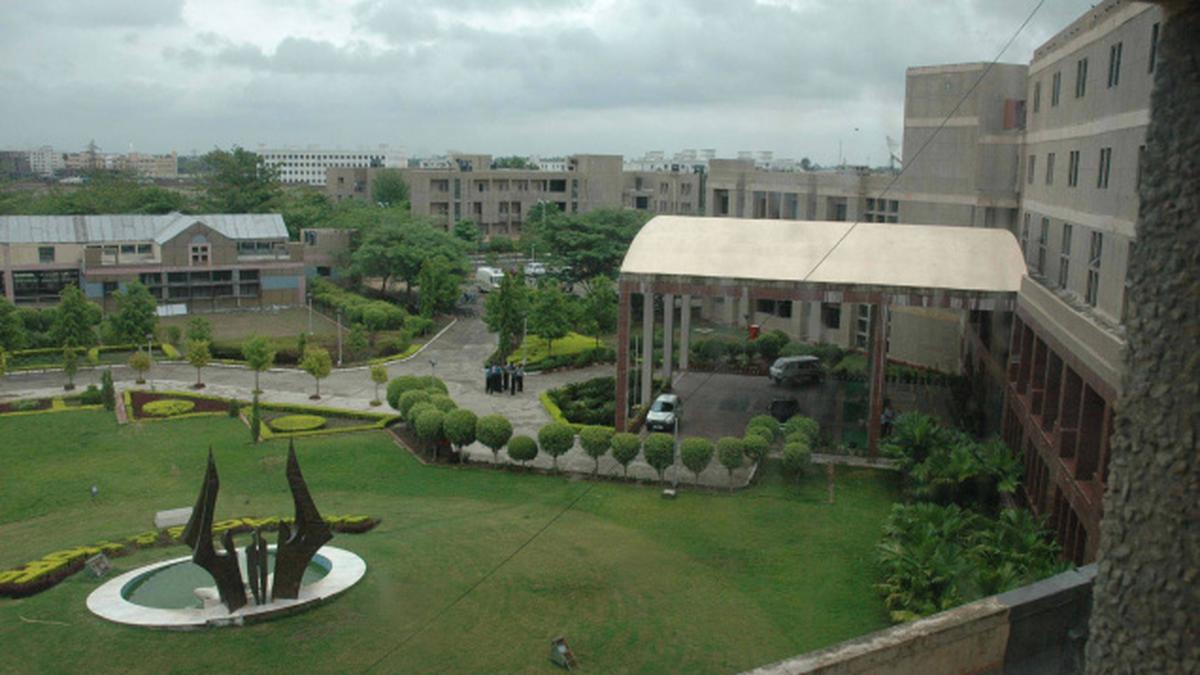
Bhopal Private Universities Drive Skills and Research
Bhopal is witnessing a gradual shift in its higher education landscape as private universities expand academic infrastructure, introduce industry-focused courses, and widen access to professional education. Institutions led by private education groups in the city are increasingly positioning Central India as a regional knowledge hub, responding to rising demand for skilled graduates and research-driven academic ecosystems.
At the centre of this shift is RKDF University, where leadership has focused on building a broader higher education ecosystem that combines academic learning with practical skills and industry collaboration. Education administrators say such institutional growth is important for a region that has historically faced limited access to advanced technical education and research facilities compared with metropolitan centres. Urban planners and policy observers note that expanding universities are becoming critical anchors for city development. Large educational campuses not only generate employment for faculty and staff but also stimulate housing demand, transport infrastructure, and local service economies. In cities like Bhopal, where planned urban expansion is underway, knowledge institutions increasingly function as catalysts for sustainable economic growth.
Within this evolving higher education ecosystem, universities are widening their academic portfolios beyond conventional disciplines. New programmes in emerging technology fields such as artificial intelligence, data analytics, digital systems and applied sciences are gradually being introduced across departments. Education experts say such courses reflect a broader national shift toward industry-aligned curricula aimed at improving graduate employability. Academic infrastructure is also receiving significant investment. Universities across Central India have been strengthening laboratories, digital learning platforms, and research facilities to attract faculty and support collaborative projects. Administrators argue that improving campus infrastructure is essential if regional universities are to participate meaningfully in national research networks and global academic partnerships. Industry engagement is another focus area shaping the higher education ecosystem in Bhopal. Educational institutions are increasingly working with companies and professional bodies to expand internships, skill training, and live industry projects. Analysts say such collaborations help bridge the longstanding gap between classroom learning and workplace readiness. Beyond academic outcomes, universities are also being encouraged to play a broader civic role. During recent public health emergencies, medical institutions and university hospitals in the region contributed to diagnostic services, treatment capacity, and community outreach. Urban governance experts argue that universities can become key partners in building resilient cities by supporting healthcare systems, research innovation and climate-related solutions. The expansion of higher education institutions also has implications for inclusive urban development. As student populations grow, cities must ensure adequate public transport, affordable housing, and safe urban infrastructure around campuses. Planning specialists say education-led growth should be integrated into long-term urban development frameworks to prevent unplanned expansion.
Looking ahead, policymakers believe Central India’s education sector will continue to evolve as universities scale research activity, strengthen international collaborations, and adapt to digital learning models. If managed strategically, this expanding higher education ecosystem could help cities like Bhopal attract talent, support innovation-led economies, and reinforce their role in India’s emerging knowledge-driven urban future.