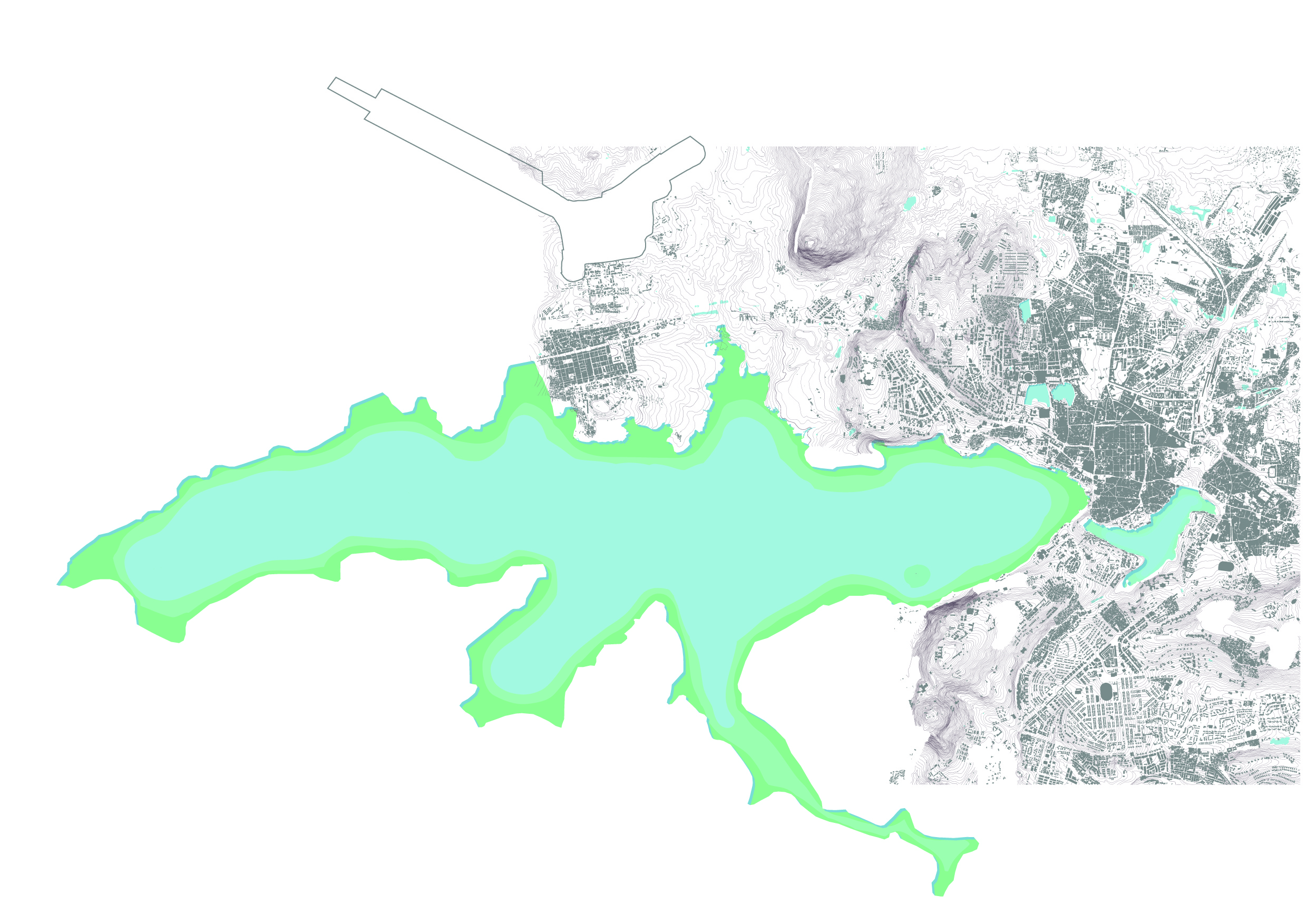
Bhopal Upper Lake Encroachment Mapping Intensifies
Authorities in Bhopal have resumed a large-scale field exercise to identify illegal development around the city’s historic water reservoir, restarting the Upper Lake demarcation drive after the Holi break. The operation aims to establish the legally protected buffer around the lake’s Full Tank Level (FTL), a step officials say is critical to safeguarding one of central India’s most important urban water sources amid growing development pressure.
Teams from the district administration, municipal authorities, police units and forest officials began surveying the lakefront from a southern stretch of the reservoir early this week. Using cadastral maps, GPS devices and on-ground markers, surveyors are identifying structures that fall within the 50-metre regulated zone measured from the FTL boundary. Initial inspections covering roughly a kilometre of the shoreline revealed multiple structures located within the restricted band. Officials marked these constructions with visible boundary indicators, signalling potential regulatory violations. Preliminary observations indicate that several private installations—such as fencing, temporary sheds and leisure-related facilities—have been built inside the protected buffer.Urban planners say the Upper Lake demarcation exercise is not only about enforcement but also about protecting a critical urban ecosystem. The reservoir supplies a significant portion of Bhopal’s drinking water while acting as a climate buffer for the rapidly expanding city. Encroachments along the edge of lakes and wetlands can restrict natural drainage, increase flood risk during heavy rainfall and degrade water quality.During the survey, authorities also detected that a portion of a privately registered property intersects with the FTL boundary line. Officials have begun verifying land titles, ownership records and construction permissions as part of a wider scrutiny process. Investigations will determine whether the structures violate environmental regulations governing development near protected water bodies.
Revenue officials indicated that a detailed inventory of properties identified within the restricted zone is being compiled. Once documentation is completed, formal notices will be issued to the concerned owners. Depending on the outcome of legal scrutiny, enforcement measures may include penalties or removal of structures that breach environmental protection rules. For Bhopal, the exercise comes at a time when rapid urban growth is reshaping the edges of its lakes. Real estate activity, tourism facilities and informal development have steadily expanded toward waterfront areas in recent years, often raising questions about ecological safeguards. Urban development experts note that clearly demarcated lake boundaries are essential for long-term water security in Indian cities. As climate variability increases the likelihood of erratic rainfall and heat stress, protecting natural reservoirs and their catchment zones is becoming a central component of climate-resilient planning.
Officials say the demarcation effort will continue along additional stretches of the shoreline over the coming days. The outcome of the survey could shape future enforcement actions and influence how development around the lakefront is regulated, as the city balances ecological protection with urban expansion.