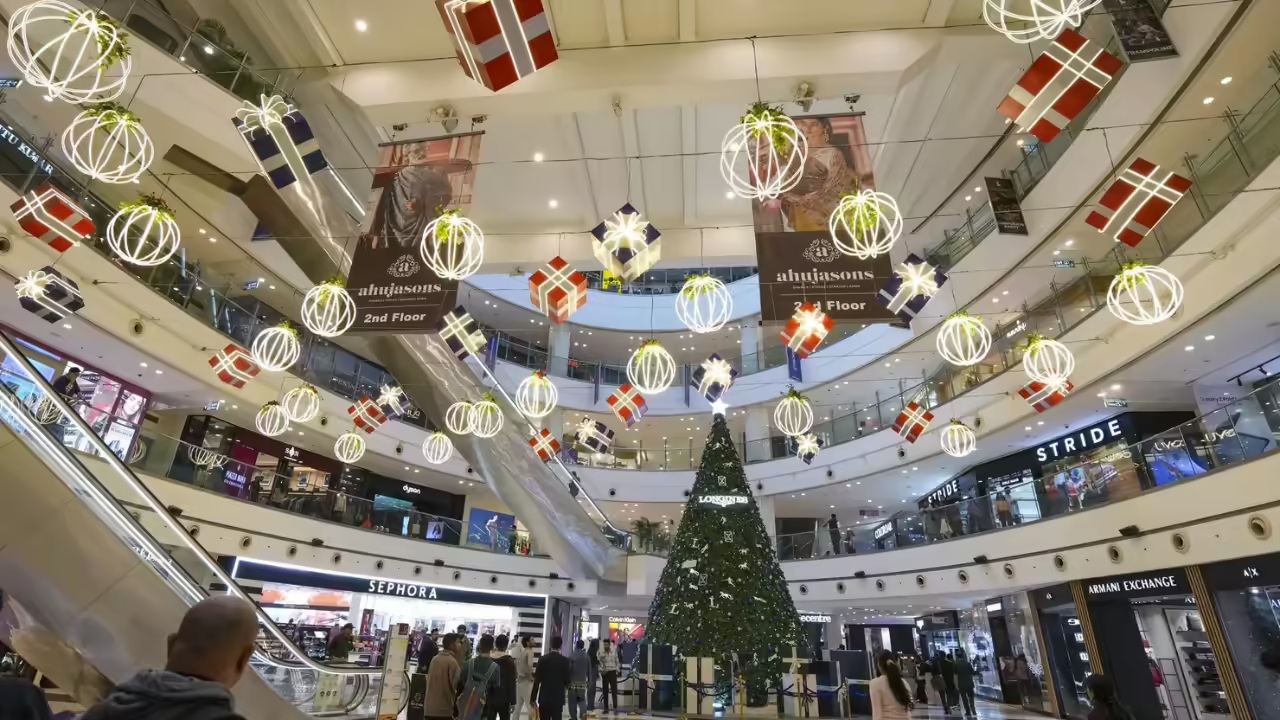
Bengaluru is poised for a significant expansion in retail infrastructure, with projections indicating up to 2.5 million sq ft of new shopping mall space by 2028. The growth is expected to be concentrated across emerging suburban hubs as well as established commercial corridors, reflecting broader patterns of urban expansion and consumer demand in the city.
Urban planners and real estate analysts suggest this development wave aligns with Bengaluru’s ongoing economic transformation. As multinational companies continue to expand their local presence, retail networks are simultaneously scaling to meet rising consumption levels and shifting lifestyle preferences. Several large-scale mall projects are underway, including multi-phase expansions of existing centres and new suburban complexes. These projects aim not only to provide shopping and entertainment options but also to integrate mixed-use design principles that encourage footfall while accommodating sustainable urban mobility.
Current forecasts indicate that approximately 0.7 million sq ft of mall space will be delivered by the end of 2026, predominantly in suburban areas. Despite this influx, vacancy rates are expected to remain relatively stable, hovering around 8.5% to 9.0%, suggesting that retailer demand will keep pace with new completions. Industry observers highlight that fashion, home furnishing, and lifestyle brands are driving leasing activity, while food and beverage operators continue to occupy high street locations, contributing to vibrant neighbourhood economies. Bengaluru’s mall inventory stood at roughly 14.5 million sq ft in late 2025, with incremental absorption seen in recently completed spaces. Analysts note that this absorption indicates both a resilient retail market and a need for strategic urban planning. The design and location of these developments will directly influence local traffic patterns, microclimates, and energy consumption, making climate-conscious planning a priority for sustainable growth.
Economic implications extend beyond commercial real estate. Retail rental growth is projected at 2.5% to 3.0% annually in the near term, while capital values are expected to appreciate by 4.5% to 5.0% per year through 2026. Urban economists argue that such growth supports employment, stimulates adjacent real estate development, and fosters inclusive economic opportunities, provided the expansion is aligned with transport, green space, and climate resilience frameworks. Looking forward, Bengaluru’s retail expansion is set to redefine consumer access and suburban commercialisation. While the new mall wave promises enhanced amenities and economic activity, sustainable integration with the city’s infrastructure and environmental planning will be crucial to ensure long-term urban livability.