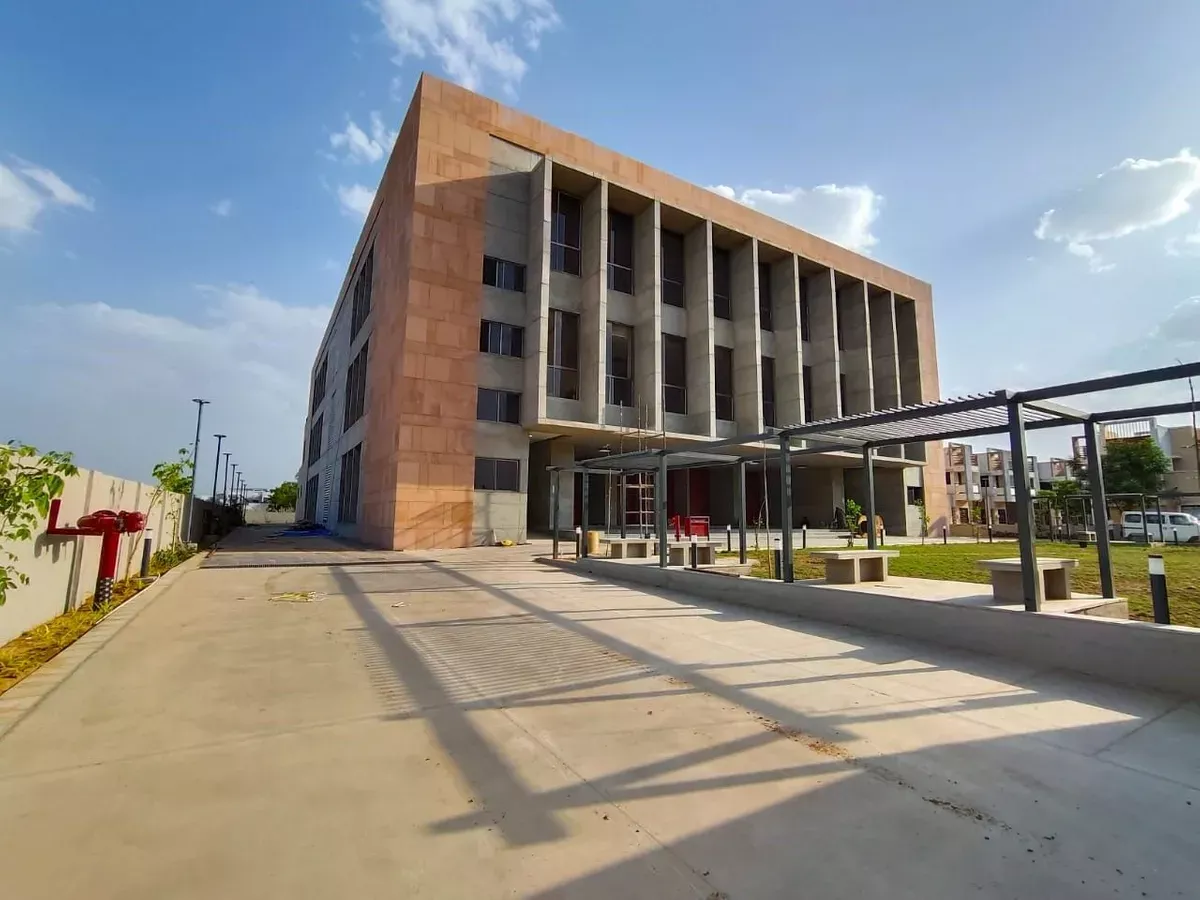
Ahmedabad’s metropolitan planning authority has begun work on a long-term urban development blueprint that could shape the city’s growth trajectory for the next two decades, as Gujarat’s largest urban centre positions itself for potential global sporting events including the 2036 Olympics. The Ahmedabad 20 year development plan being prepared by the Ahmedabad Urban Development Authority (AUDA) is expected to guide infrastructure expansion, land-use planning and regional connectivity across the rapidly expanding metropolitan region. Officials say the framework will address urban mobility, housing demand, environmental management and industrial growth while preparing the city for major international events.
The planning exercise comes as Ahmedabad experiences accelerated urbanisation driven by economic activity, manufacturing growth and large-scale infrastructure projects. Authorities believe that a structured long-term strategy is essential to ensure the city’s growth remains organised, sustainable and resilient to climate pressures. Urban planners involved in the process indicate that the Ahmedabad 20 year development plan will evaluate future population growth, transportation corridors and land availability before proposing zoning and infrastructure priorities. Particular attention is expected to be given to mass transit networks, public spaces and regional connectivity between Ahmedabad and surrounding urban clusters.
Experts say the prospect of hosting a global sporting event such as the Olympics often acts as a catalyst for urban transformation. Cities bidding for such events typically accelerate investments in transport infrastructure, accommodation capacity, sports facilities and environmental improvements.
For Ahmedabad, this could translate into new metro rail extensions, upgraded road corridors, expanded airport capacity and modernised sports infrastructure. At the same time, urban policy specialists caution that long-term planning must ensure such investments benefit residents beyond the event itself.
Sustainable urban development is likely to be a key component of the planning exercise. With climate variability affecting many Indian cities, planners are increasingly integrating flood management systems, green corridors and energy-efficient infrastructure into master plans. Ahmedabad’s past experience with heat mitigation programmes and riverfront development has already drawn international attention in urban resilience discussions.
The city’s metropolitan region is also witnessing growing demand for residential and commercial real estate. Developers have been expanding projects in emerging suburbs as improved transport links make peripheral areas more accessible. A comprehensive metropolitan strategy could help balance growth by identifying zones for housing, industry and public infrastructure. Urban economists note that such long-range plans are essential for maintaining economic competitiveness. Cities that anticipate infrastructure needs decades in advance are better equipped to manage population expansion while avoiding congestion, environmental stress and unplanned construction. For residents and businesses, the success of the Ahmedabad 20 year development plan will depend on how effectively it translates vision into implementation. Clear land policies, coordinated governance and sustainable infrastructure financing will be critical to ensure the city’s growth remains inclusive and resilient. As planning discussions progress, Ahmedabad’s long-term urban strategy could become a defining framework for how one of India’s fastest-growing metropolitan regions prepares for global visibility and long-term urban sustainability.
Ahmedabad AUDA drafts long term city growth plan