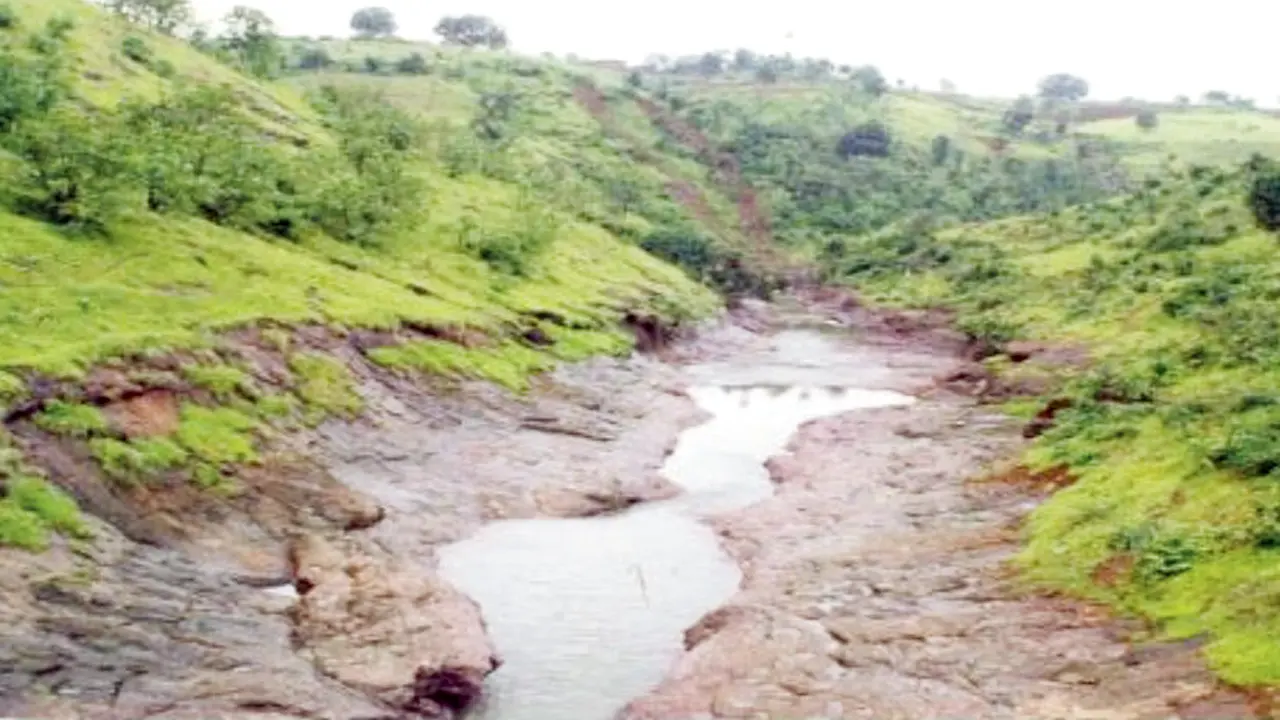
Mumbai’s civic administration is preparing to advance a major reservoir project intended to strengthen the city’s long-term drinking water supply, as population growth and urban expansion place increasing pressure on existing sources. The Mumbai Gargai Dam Project, proposed in Palghar district north of the city, is now awaiting key administrative clearance from municipal authorities, marking a crucial step after years of policy debate and planning.
City officials say the proposed reservoir could play an important role in narrowing the widening gap between Mumbai’s water demand and its current supply capacity. The metropolis presently receives about 4,000 million litres of water daily from a network of reservoirs located across neighbouring districts. Demand, however, has already crossed the 4,500 million litre mark and is projected to rise sharply over the coming decades as residential development and commercial activity expand across the metropolitan region. Urban water planners believe the Mumbai Gargai Dam Project could add a significant new supply source once operational. The reservoir is designed to capture water from a river system in the northern hinterland and transfer it through a tunnel to an existing storage network that feeds Mumbai’s distribution system. Engineers say this integration with the current reservoir chain will allow the city to manage seasonal fluctuations and strengthen water security during years of low rainfall.
The infrastructure plan also involves several associated works, including tunnelling, bridge realignments and hydroelectric equipment capable of generating a small amount of renewable power from water flows. Civic officials estimate that construction activity would take around four years once the project receives full approval and contracting is completed. However, the proposed dam has also raised wider regional questions about how water resources should be allocated across the Mumbai Metropolitan Region. Some civic observers and community representatives argue that large reservoirs built primarily to serve the island city could intensify disparities between Mumbai and neighbouring districts that also face water shortages.
Environmental considerations form another important dimension of the debate. The proposed reservoir site lies within a forested landscape in the northern Western Ghats zone, requiring extensive ecological safeguards. Project plans include measures for tree transplantation and habitat management, as well as rehabilitation programmes for villages located in the project’s impact zone. Urban development experts say these environmental and social factors increasingly shape large infrastructure decisions in India’s expanding metropolitan areas. Water supply systems must not only meet urban demand but also balance ecological resilience and local livelihoods. Mumbai’s dependence on distant reservoirs reflects a broader structural challenge faced by coastal megacities with limited natural water sources. As urban populations grow, cities must either develop additional reservoirs, improve water recycling systems or reduce distribution losses through more efficient networks.
Officials involved in long-term planning say the Gargai reservoir is part of a broader strategy that also includes other regional water infrastructure initiatives designed to diversify supply sources over the coming decades. If approved, the Mumbai Gargai Dam Project would represent one of the largest additions to the city’s water system since the early 2010s. Its progress will likely shape not only Mumbai’s future water security but also the evolving debate over sustainable resource management across the wider metropolitan region.
Mumbai Gargai Dam Project Moves Toward Civic Approval