


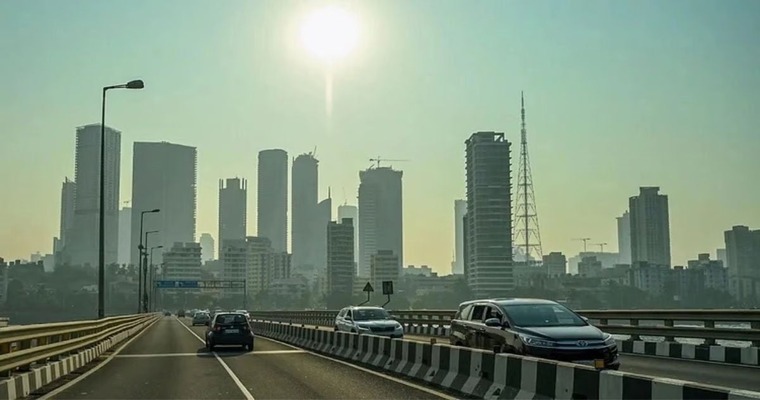
Mumbai: As temperatures soar across Maharashtra, Mumbai, nestled along the coast, has officially documented three cases of heatstroke in May, state officials have confirmed.
While the escalating temperatures since April play a significant role, authorities attribute the increased reporting of heat-related illnesses to improved awareness and vigilance.
Heatstroke, a severe heat-related condition, occurs when the body’s natural temperature regulation mechanisms fail due to prolonged exposure to high temperatures, often exacerbated by humidity. Maharashtra has reported a total of 276 cases of heatstroke between March and May this year. Notably, districts like Nashik, Jalna, and Buldhana have recorded the highest number of cases, with temperatures frequently exceeding 40 degrees Celsius. Despite the severity of the situation, no fatalities have been reported yet, although districts like Nagpur are investigating several unidentified roadside deaths for potential heatstroke links.
In Mumbai, medical professionals have observed a surge in heat-related ailments. While instances of full-blown sunstroke remain relatively rare, residents frequently report symptoms such as fatigue, dehydration, and severe headaches. April witnessed multiple occasions where temperatures in the city soared close to 40 degrees Celsius. Internal medicine experts note a growing trend of heat-related issues affecting individuals, particularly young office-goers aged between 20 and 45 years. Cases of heat-induced headaches and gastroenteritis are now being reported at a rate of 6 to 8 per week.
The surge in heat-related illnesses underscores the importance of proactive measures to mitigate the impact of rising temperatures. Public awareness campaigns, access to cooling facilities, and timely medical intervention are crucial in safeguarding the health and well-being of individuals during heatwaves. As the city transitions into the monsoon season, efforts to address the immediate health risks posed by extreme heat must remain a priority for authorities and healthcare professionals alike.
