


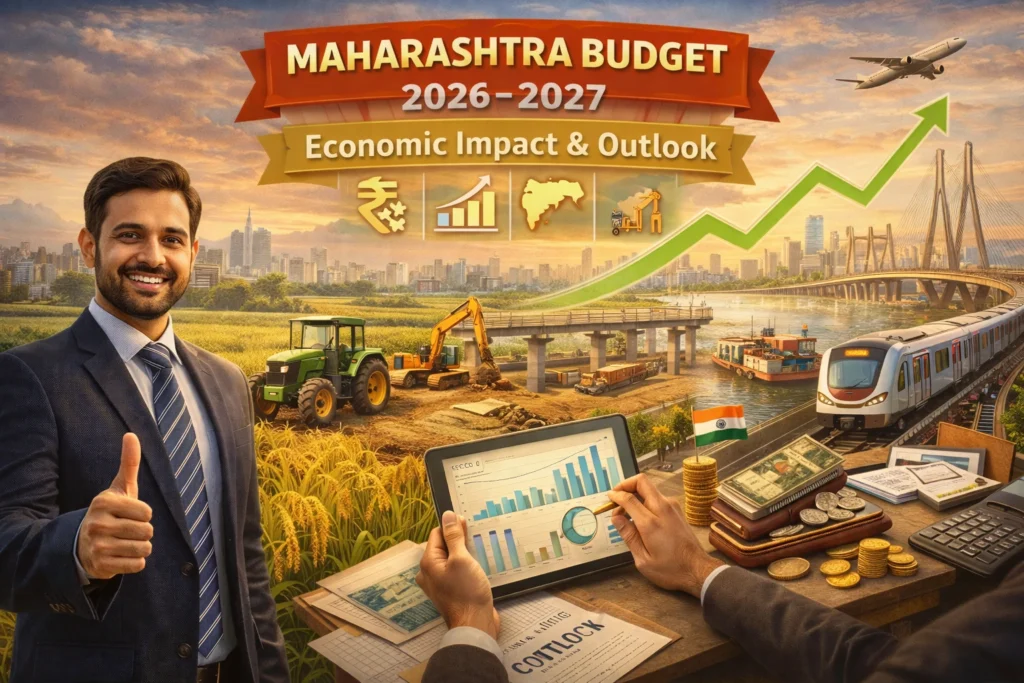
District councils across Maharashtra have begun preparing financial plans for the 2026–27 fiscal year even as they await confirmation of grants from the Government of India and the Government of Maharashtra. Officials say the timing of these allocations—typically finalised around mid-March—will determine how local administrations prioritise spending on rural infrastructure, public services and development programmes.
The Maharashtra district council budget process is currently focused on collecting expenditure proposals from multiple departments that deliver essential services in rural areas. Administrative officials have asked departments to submit detailed funding requirements for the upcoming year, enabling planners to prepare an initial spending framework before final grants are confirmed.District councils, known locally as Zilla Parishads, play a critical role in implementing development programmes outside major cities. Their budgets finance projects ranging from rural road upgrades and irrigation support to social welfare initiatives, education services and health infrastructure. In many districts, these funds also support construction activities such as school buildings, local healthcare centres and community facilities.
However, budget planning remains partially provisional until the scale of central and state transfers becomes clear. Local administrators expect the majority of these grants to be finalised around mid-March, after which spending priorities will be aligned with the funds available. Once allocations are confirmed, the Maharashtra district council budget proposals are typically placed before elected council members for formal approval later in the month.Officials involved in the process note that several departments have already begun compiling requests for the coming year. Key sectors include public works, agriculture, livestock development, social welfare, education, administrative services and programmes supporting women, children and persons with disabilities. The combined proposals from these departments will shape the financial blueprint for rural development activities in the next fiscal cycle.Urban policy observers say the annual budgeting process at district councils plays a crucial role in balancing rural growth with broader regional development strategies. As metropolitan areas expand rapidly, investment in surrounding districts becomes increasingly important for improving economic connectivity, strengthening local livelihoods and reducing migration pressure on large cities.
Infrastructure experts also highlight the growing importance of climate resilience in local government spending. Rural regions across Maharashtra are facing increasing pressure from extreme heat, erratic rainfall and water stress. Budget allocations for watershed management, climate-resilient agriculture and improved rural infrastructure are therefore expected to feature prominently in upcoming proposals.The timing of the budget process also reflects the administrative calendar followed by local governments. District councils are required to present and approve their financial plans before the start of the new fiscal year in April, allowing departments to begin project execution without delays.Once state and central grants are formally communicated, district administrations are expected to finalise spending plans and convene council meetings to approve the budget. The outcome will determine which development programmes move forward in the coming year and how resources are distributed across sectors that directly affect millions of residents in rural Maharashtra.
Maharashtra district councils prepare budgets amid funding wait
