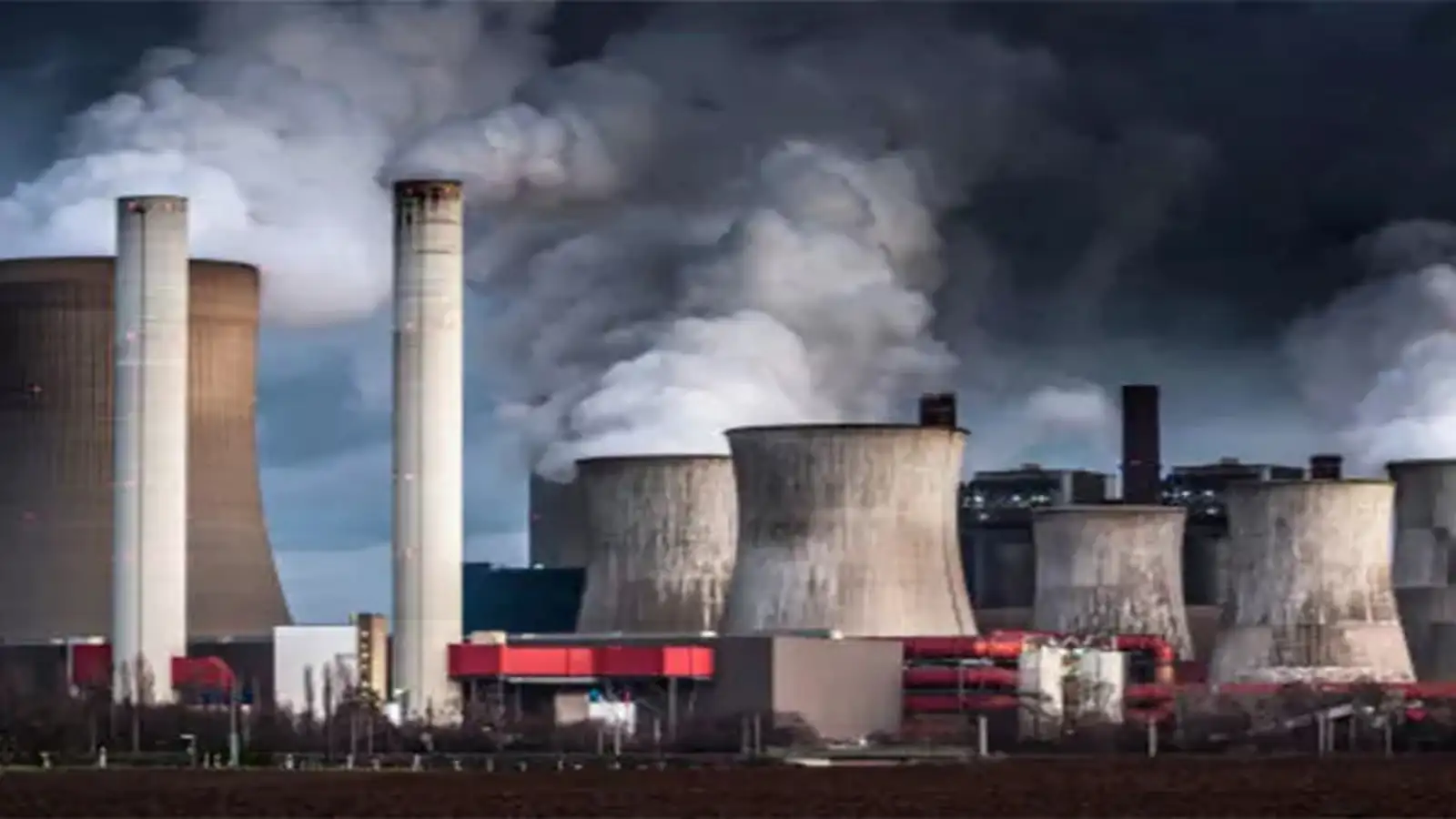
India Coal Power Capacity Pipeline Reflects Demand Growth
India has identified more than 24,000 MW of new coal-based power capacity at various stages of planning, signalling the country’s continuing reliance on thermal generation even as renewable energy expands. The proposed projects form part of a broader effort to ensure reliable electricity supply for rapidly growing cities, industries and infrastructure networks.
Government data presented in Parliament shows that around 24,020 MW of coal and lignite-based power capacity has been earmarked for future development across the country. At the same time, nearly 39,545 MW of thermal capacity is already under construction, including several delayed or financially stressed projects that are being revived.India’s electricity demand has been rising steadily due to economic growth, urbanisation and expanding industrial activity. Analysts say the planning pipeline reflects concerns about meeting peak demand during evening hours and seasonal surges when renewable generation fluctuates.Thermal power continues to form the backbone of India’s electricity system. As of mid-2025, the country’s total installed power capacity had reached roughly 476 GW, with thermal sources contributing about 240 GW, or just over half of the power mix. Despite strong additions in solar and wind energy, policymakers maintain that coal-based plants remain essential for grid stability and baseload power.
The expansion strategy also reflects projections for future electricity consumption. Government planning studies estimate that coal and lignite capacity could reach about 307 GW by 2034–35, requiring additional installations to complement renewable energy growth and support industrial demand.Energy experts note that coal power projects often take several years to move from planning to operation due to regulatory approvals, financing arrangements and land acquisition challenges. Identifying new capacity at the planning stage allows utilities and policymakers to anticipate supply gaps and prepare infrastructure in advance.
However, the expansion of coal-based generation continues to attract scrutiny from environmental planners and climate policy analysts. India has committed to increasing its share of non-fossil fuel energy sources while pursuing long-term decarbonisation targets. This creates a complex balancing act between ensuring energy security and reducing emissions.Urban infrastructure planners point out that reliable electricity remains fundamental to economic growth, especially as cities expand digital infrastructure, transport systems and manufacturing clusters. Stable baseload power helps maintain grid reliability when renewable generation fluctuates due to weather conditions.At the same time, the energy transition is accelerating. Large-scale solar parks, hybrid renewable projects and battery storage systems are being developed to reduce dependence on coal over the coming decades.
The emerging power capacity pipeline therefore illustrates the dual pathway India’s energy system is currently navigating: expanding clean energy rapidly while retaining coal-based generation to safeguard reliability during a period of intense urbanisation and industrial growth.