Global Particleboard Manufacturing Plant Plans Track Rising Demand
Rising construction activity and the rapid expansion of affordable housing markets are driving renewed investor interest in particleboard manufacturing, a segment of the engineered wood industry that relies heavily on recycled timber residues and wood-processing by-products. Industry assessments released in 2026 indicate that feasibility studies and detailed project reports for new particleboard plants are increasingly being explored by manufacturers seeking to serve growing furniture and interior construction markets worldwide.
Particleboard—an engineered panel made by bonding wood chips, sawdust and shavings with synthetic resins under heat and pressure—has become a widely used substitute for solid wood and plywood in furniture, cabinetry and interior construction applications. Its uniform thickness, machinability and relatively low production cost make it a preferred material in large-scale furniture manufacturing and modular building systems.The growing popularity of ready-to-assemble furniture, especially in urban housing markets, has significantly increased demand for particleboard panels used in wardrobes, shelving systems, door cores and laminated surfaces. Analysts note that the expansion of middle-income housing and small urban apartments has reinforced demand for cost-efficient building materials that support high-volume furniture production.
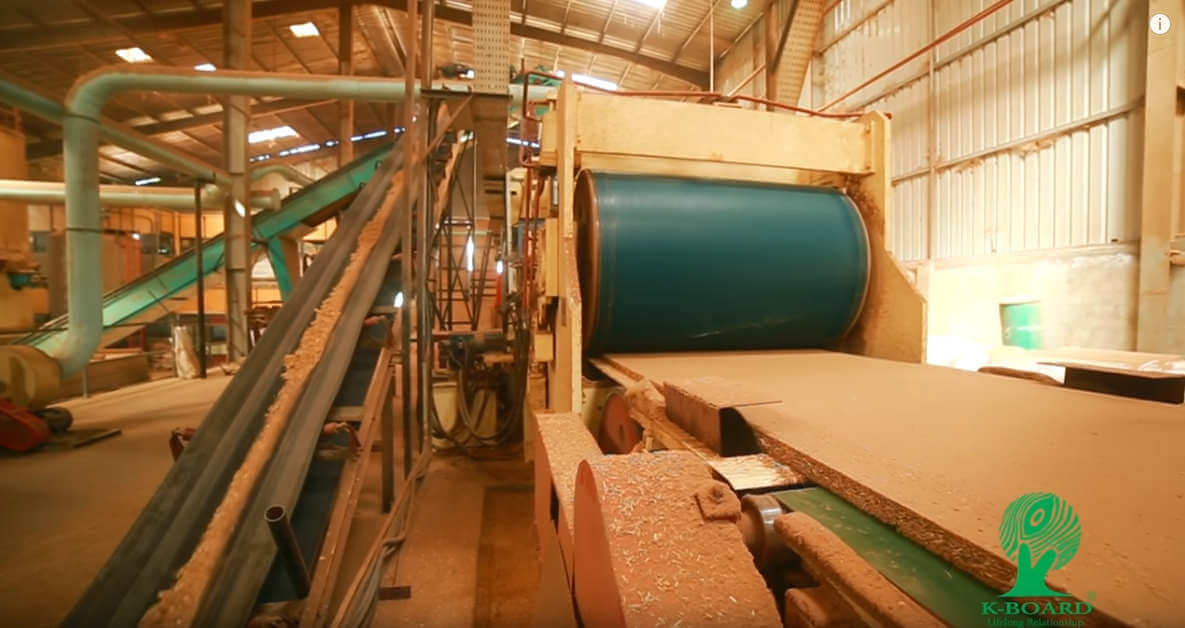
Feasibility assessments for new particleboard manufacturing plants typically focus on a combination of industrial planning factors including land selection, machinery procurement, raw-material sourcing and logistics networks. These project studies outline infrastructure requirements such as storage yards for wood residues, material-handling systems, drying equipment and press lines that compress wood particles into finished boards.Strategic site selection remains a critical determinant of plant viability. Facilities are commonly located near sawmills or timber-processing clusters to secure a consistent supply of wood waste while minimising transportation costs. In addition to feedstock availability, developers also evaluate utility infrastructure, workforce access and regulatory compliance related to environmental emissions and waste management.
Industry observers say the increasing use of wood residues aligns with broader circular-economy goals within the construction materials sector. By utilising wood chips, shavings and sawdust that might otherwise be discarded, particleboard manufacturing can contribute to resource efficiency and waste reduction in timber supply chains.However, environmental considerations are becoming increasingly central to new project planning. Urban planners and sustainability specialists point to the need for improved emission controls, responsible forestry sourcing and low-formaldehyde adhesives to reduce the environmental footprint of engineered wood panels.
Financial models for particleboard plants typically analyse capital expenditure on land, machinery and infrastructure alongside operating costs such as raw materials, utilities and labour. Project reports also examine revenue projections, return on investment and long-term profitability before investors proceed with construction.
As global construction markets continue to expand—particularly in Asia and emerging urban economies—industry experts expect particleboard to remain a key material in affordable furniture production and interior building systems. Future growth in the sector will likely depend not only on market demand but also on the industry’s ability to integrate sustainable forestry practices, recycling streams and cleaner manufacturing technologies into the engineered wood value chain.