India Under Cabinet Lighting Market Gains Momentum
India’s evolving home design and smart-home ecosystem are expected to drive sustained growth in the Under Cabinet Lighting Market, as modern kitchens and modular interiors increasingly incorporate integrated lighting systems for both functionality and aesthetics. Industry assessments suggest that the next decade could see stronger adoption of energy-efficient LED and connected lighting solutions across residential and commercial spaces.
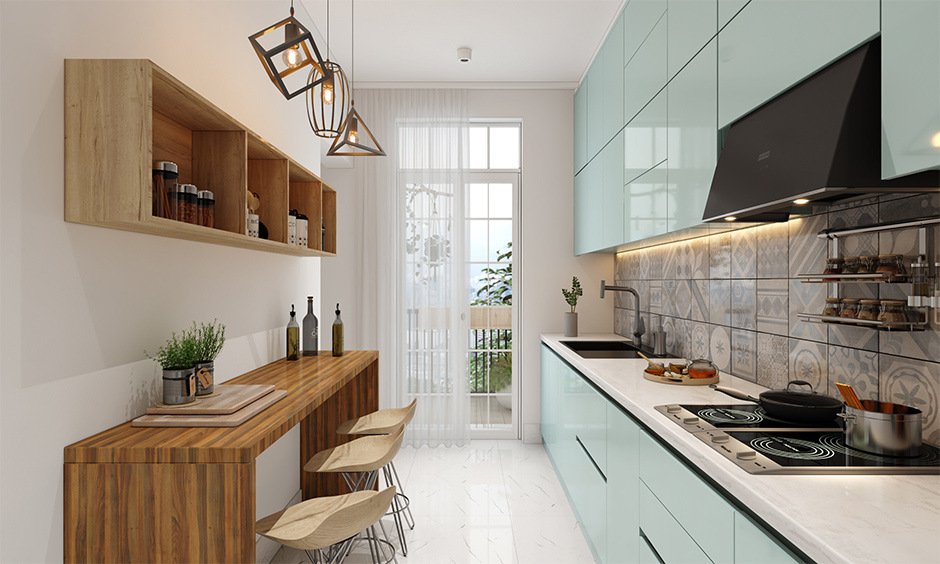
Globally, the Under Cabinet Lighting Market is entering a period of technology-driven expansion, with demand expected to rise steadily through 2035. Analysts attribute this growth to the rapid transition from older fluorescent and halogen fixtures toward advanced LED systems that can be integrated with smart home platforms and digital controls.In India, the trend is closely linked to the expansion of modular kitchen installations in urban housing projects. Real estate developers and interior contractors are increasingly specifying under-cabinet lighting to illuminate countertops, storage spaces and food preparation areas. These systems provide focused task lighting while also contributing to the layered lighting designs now common in modern apartment interiors.
Industry specialists say the residential kitchen segment remains the largest demand driver for such lighting solutions. Globally, residential kitchens account for nearly half of under-cabinet lighting installations, supported by renovation cycles, design upgrades and the growing importance of the kitchen as a multifunctional living space.India’s home improvement and renovation market is reinforcing this trend. As homeowners invest in modular cabinetry and premium kitchen fittings, integrated lighting is becoming a standard design element rather than an optional add-on. Under-cabinet lighting systems are particularly popular in compact urban kitchens where direct illumination improves both visibility and usability.
Technology is also reshaping the segment. LED strips and puck lights—two of the most common formats—offer high energy efficiency, long operating life and flexible installation options. Many new systems now support dimming, colour tuning and connectivity with smart home ecosystems through Wi-Fi, Bluetooth or Zigbee protocols.Such features allow homeowners to adjust brightness, automate lighting schedules or integrate kitchen lighting with voice-controlled home automation systems. As India’s smart home adoption grows alongside increasing smartphone connectivity, lighting technologies that combine efficiency with digital control are expected to gain traction.
Commercial spaces are another emerging demand centre. Restaurants, retail display units and hospitality venues are using under-cabinet lighting to highlight products, improve work-surface visibility and enhance ambience. In food-service kitchens, durable LED lighting fixtures are also replacing older fluorescent tubes to reduce maintenance costs and energy consumption.Urban design experts note that the shift toward energy-efficient lighting aligns with broader sustainability goals in the built environment. LED-based cabinet lighting consumes significantly less electricity than traditional fixtures and contributes to lower operational energy use in residential and commercial buildings.
As India’s housing sector continues to expand and interior design trends evolve, the Under Cabinet Lighting Market is likely to benefit from the convergence of smart home technologies, modular furniture systems and energy-efficient lighting solutions. For manufacturers and lighting designers, the coming decade could bring new opportunities to develop integrated lighting products tailored to modern Indian kitchens and compact urban living spaces.