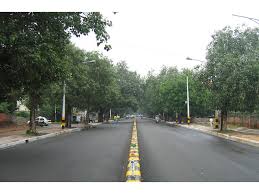
Punjab Rural Roads Upgrade Plan Accelerates Connectivity
Punjab has set aside ₹7,606 crore in its 2026–27 budget to modernise and upgrade nearly 20,000 kilometres of rural road networks, a move expected to significantly improve village connectivity and support economic activity across the state’s agricultural regions.
The large-scale Punjab rural roads upgrade aims to strengthen transport links between farms, villages and market towns while improving access to services and logistics corridors. Officials involved in the budgeting exercise indicate that the programme will be executed primarily through the state’s public works department and the mandi board, which manages rural link roads connected to agricultural mandis. These roads form the backbone of farm-to-market supply chains in Punjab, where a large portion of agricultural produce moves daily through village routes to procurement centres and wholesale markets.
Urban development analysts say strengthening these road networks is increasingly important as rural economies become more integrated with nearby towns and logistics hubs. Efficient village connectivity not only reduces transportation costs for farmers but also improves access to healthcare, education and government services. In regions where smaller towns serve as service centres, upgraded road infrastructure can stimulate local commerce and encourage new economic activity in peri-urban areas. The Punjab rural roads upgrade also forms part of a broader push to improve transport infrastructure across the state. In recent years, authorities have launched large road construction and repair initiatives covering tens of thousands of kilometres, reflecting the growing need to modernise ageing road networks and support freight movement across the agricultural heartland.
Infrastructure planners note that rural roads play a critical role in climate resilience and sustainable development as well. Well-engineered roads with proper drainage systems reduce seasonal disruptions caused by monsoon flooding and waterlogging. In agriculture-intensive regions, durable rural roads can also minimise crop losses by ensuring produce reaches markets quickly, particularly during peak harvest seasons. The government’s focus on rural mobility comes at a time when many states are seeking to balance agricultural development with emerging urban growth corridors. By upgrading village transport networks, policymakers hope to reduce logistical bottlenecks while supporting decentralised economic growth beyond major cities.
For Punjab’s rural communities, the Punjab rural roads upgrade could translate into shorter travel times, more reliable freight routes and improved connectivity to regional markets. As the programme moves toward implementation, planners say the success of the initiative will depend on timely execution, quality control in road construction and long-term maintenance mechanisms that ensure the network remains durable for years to come.