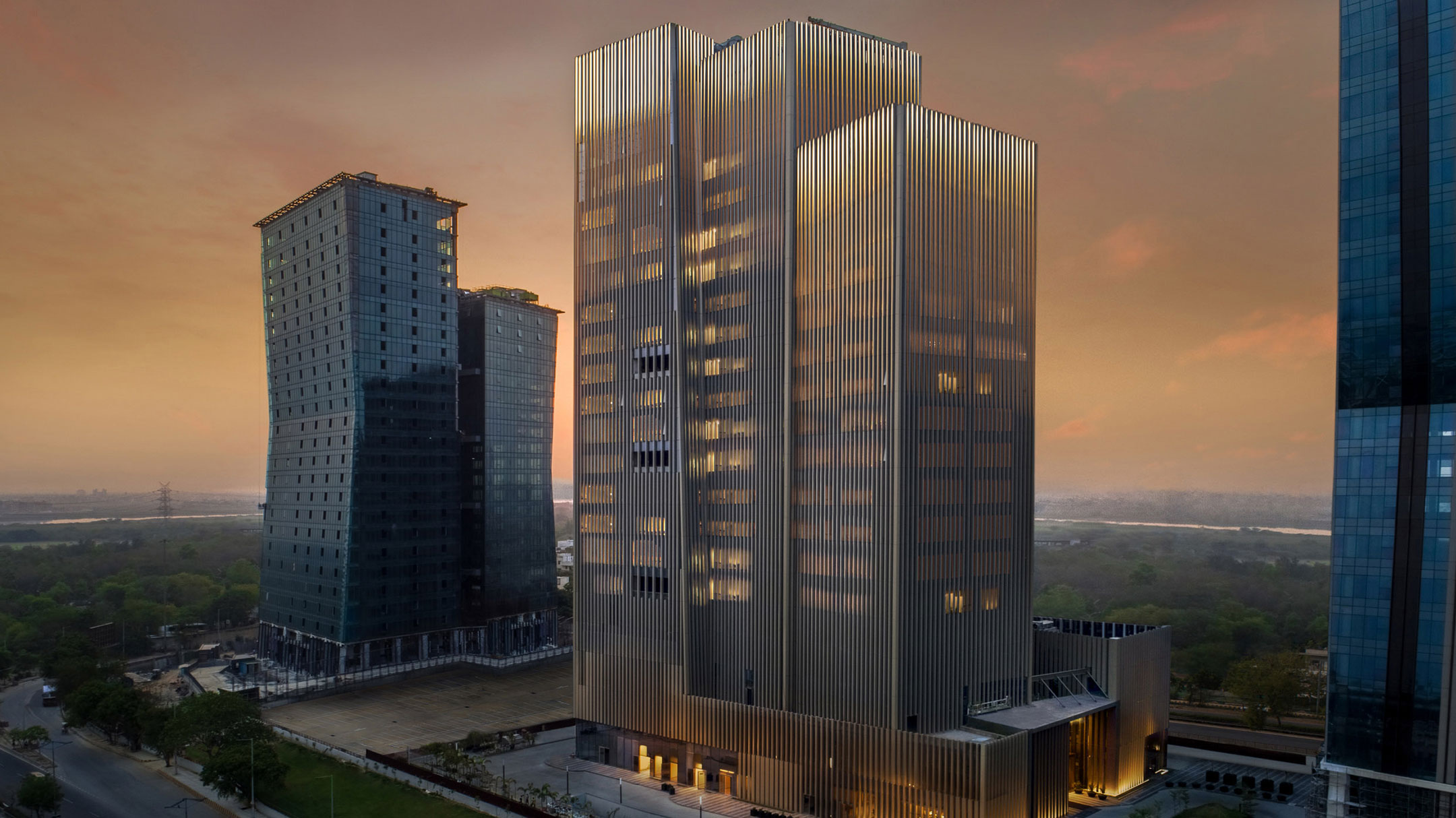
Noida Max One Project Revival Signals Urban Growth
A long-delayed residential and commercial development in Noida is poised to resume after nearly a decade, offering relief to buyers and signalling potential urban and economic gains for the city. The project, now branded as Max One, received regulatory approvals enabling construction to restart on land adjacent to Noida’s Sector 16B business district. Urban planners note that such revivals are crucial for reducing long-standing development stagnation in rapidly growing urban centres.
The site had been inactive following the insolvency of its previous developer, leaving homebuyers in limbo and creating gaps in the local real estate landscape. The newly approved redevelopment spans approximately ten acres and proposes a mixed-use urban campus integrating ultra-luxury residences, premium office spaces, curated retail outlets, and lifestyle amenities. Analysts highlight that these integrated developments, if executed sustainably, can contribute to more walkable, energy-efficient urban districts that reduce commuting and encourage inclusive economic activity.
Max One’s design draws on international urban models, blending residential, commercial, and cultural spaces within a single district. Industry experts suggest that such integrated approaches could influence Noida’s broader urban fabric by demonstrating how large-scale projects can balance density with quality of life. The development’s estimated 2.5 million square feet of built-up area is projected to generate significant economic activity, including potential sales nearing ₹2,000 crore and annuity rental streams approximating ₹120 crore. Such figures underscore the project’s role in supporting the city’s fiscal and commercial ecosystem while revitalising previously underutilised urban land. Urban development officials emphasise that long-delayed projects like Max One also have social implications. Resuming construction after nearly nine years can restore confidence among buyers and local communities, stimulate ancillary infrastructure development, and attract additional private investment. Planners caution, however, that effective integration of green building practices, energy-efficient construction, and equitable access to public spaces will be critical to ensure that the project aligns with broader climate-resilient and people-first urban development goals.
The redevelopment also presents an opportunity for the city to implement contemporary urban management strategies, including mixed mobility solutions, low-carbon construction methods, and inclusive design for all age groups and genders. Experts argue that such initiatives can transform previously stalled sites into model urban districts while supporting long-term resilience against climate and social challenges. As construction is set to begin, stakeholders and urban observers will be monitoring how the project balances economic opportunity with sustainability and civic inclusivity, potentially setting benchmarks for future Noida developments.