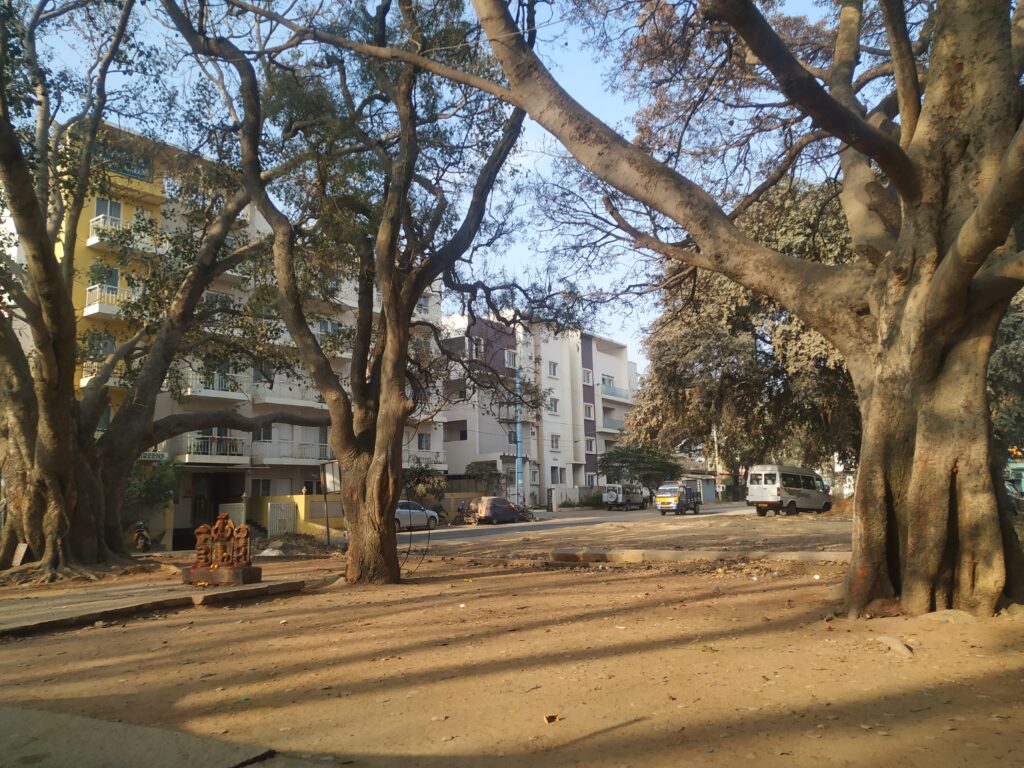
Kolkata Infrastructure Work Faces Urban Tree Protection Debate
A road improvement programme across several northern suburbs of Kolkata has triggered a civic debate after residents and environmental groups alleged that multiple roadside trees and young saplings were damaged or removed during construction activity. The controversy has surfaced in neighbourhoods across Dum Dum, North Dum Dum and the Nimta–Birati corridor, where repair works are underway to upgrade ageing road infrastructure. Urban planners say the dispute highlights a recurring challenge in fast-growing Indian cities: balancing infrastructure upgrades with urban tree protection, which plays a crucial role in climate resilience and liveability.
Residents in the affected localities claim construction crews undertaking pavement and road rehabilitation works paid insufficient attention to preserving existing greenery. In several stretches, young plants were reportedly removed while construction materials and concrete were placed around the trunks of surviving trees. Environmental observers warn that enclosing tree bases in concrete can severely affect their health. Roots require access to soil moisture and oxygen to survive, and hard surfaces can gradually weaken the trees, increasing the risk of disease or collapse during storms. Urban forestry specialists say such issues are common when municipal road projects proceed without integrated green design guidelines. “Urban tree protection must be embedded in the engineering stage of road projects, not treated as an afterthought,” said an urban planning expert involved in city greening initiatives.
The concerns have prompted local activists to begin a public awareness drive demanding the removal of hard paving around tree trunks and the replanting of lost saplings along the affected corridors. Community volunteers have also urged authorities to review compliance with environmental safeguards that regulate roadside construction. Legal frameworks governing urban tree protection already exist in India. Environmental tribunals and courts have previously emphasised that infrastructure work must ensure adequate soil exposure around tree bases to allow proper root growth. Urban ecologists say adherence to these guidelines is essential as cities face rising temperatures and intensifying rainfall. Kolkata, like many dense metropolitan regions, relies heavily on roadside greenery to moderate heat, reduce dust pollution and improve pedestrian comfort. According to climate researchers, mature trees can lower surface temperatures along transport corridors and absorb significant volumes of carbon dioxide, making them critical to climate-adaptive urban design.
Infrastructure upgrades remain essential as suburban areas experience rapid population growth and rising traffic volumes. However, city planners argue that road modernisation must adopt nature-sensitive construction techniques to avoid long-term environmental costs. Experts suggest solutions such as permeable pavements around tree bases, designated soil beds for root expansion, and mandatory tree audits before construction begins. As the repair work continues across northern Kolkata, the episode has reignited discussion on how cities can pursue mobility improvements while safeguarding the natural assets that sustain urban life. The outcome may shape future approaches to urban tree protection in municipal infrastructure projects across the region.