Chennai Lab Creates Compact Power Unit For Satellites
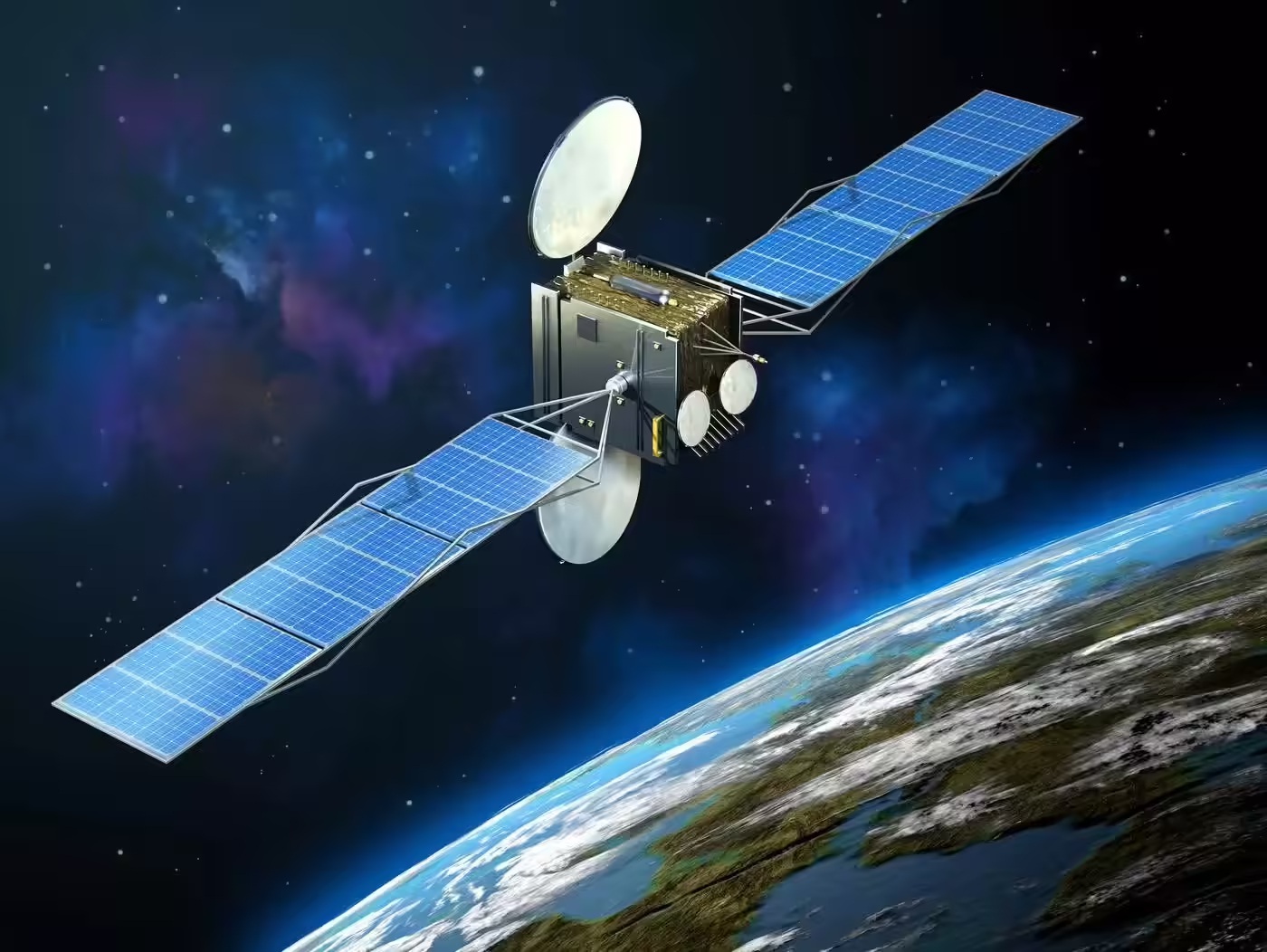
Researchers in Chennai have developed a compact electronic system that could significantly reshape how small satellites manoeuvre in orbit. Engineers at IIT Madras have designed a high-voltage power unit capable of driving electric thrusters used in nanosatellites and microsatellites, potentially lowering the cost and complexity of spacecraft propulsion systems. The development is expected to support the fast-growing market for small satellite propulsion while enabling more energy-efficient space missions.
Small satellites are increasingly used for earth observation, climate monitoring, communication networks and disaster management. However, propulsion hardware responsible for adjusting orbit and maintaining satellite position often adds weight, power demand and system complexity. Engineers involved in the project say their new power architecture attempts to address these constraints by delivering high-energy pulses while consuming relatively little electricity. The system is designed to operate pulsed plasma thrusters, a type of electric propulsion used in many compact spacecraft. In such thrusters, electrical energy stored in a capacitor is released in rapid bursts that convert a small piece of solid propellant into ionised plasma. Magnetic forces then accelerate this plasma outwards, creating thrust in the opposite direction and gradually altering the satellite’s trajectory.
Although each discharge produces only a tiny push, repeated pulses allow satellites to perform precise orbital adjustments. This makes the technology particularly relevant for the rapidly expanding small satellite propulsion segment, where mission planners seek lightweight systems that can operate reliably with limited onboard power. The newly developed electronics unit can generate high-voltage pulses at rapid frequencies while remaining within the tight energy budgets typical of compact spacecraft. Laboratory testing indicates the prototype operates with efficiency levels exceeding 90 per cent while delivering thousands of pulses every second. Such performance could allow satellite designers to shrink propulsion subsystems without compromising manoeuvrability.A key aspect of the design is the removal of several conventional sensors that typically monitor current and voltage in pulse power systems.
Instead, the research team implemented predictive control algorithms that estimate system behaviour and regulate pulse timing digitally. According to engineers familiar with the work, eliminating these sensors reduces both the mass and cost of the overall propulsion module while improving response speed. The implications extend beyond satellite engineering. Experts note that pulse power technologies are also used in environmental systems, including ozone-based water treatment and processes aimed at breaking down persistent pollutants in industrial waste streams. Advances in compact high-voltage electronics could therefore support urban water purification technologies and pollution control applications. India’s growing space sector has witnessed a surge in private launch services and satellite manufacturing startups in recent years. Affordable propulsion solutions may become essential as cities and governments increasingly rely on space-based data for climate resilience planning, infrastructure monitoring and disaster preparedness. As demand for small satellites continues to expand globally, innovations in small satellite propulsion could help emerging space programmes deploy more affordable spacecraft while strengthening the technological backbone of the country’s expanding space economy.