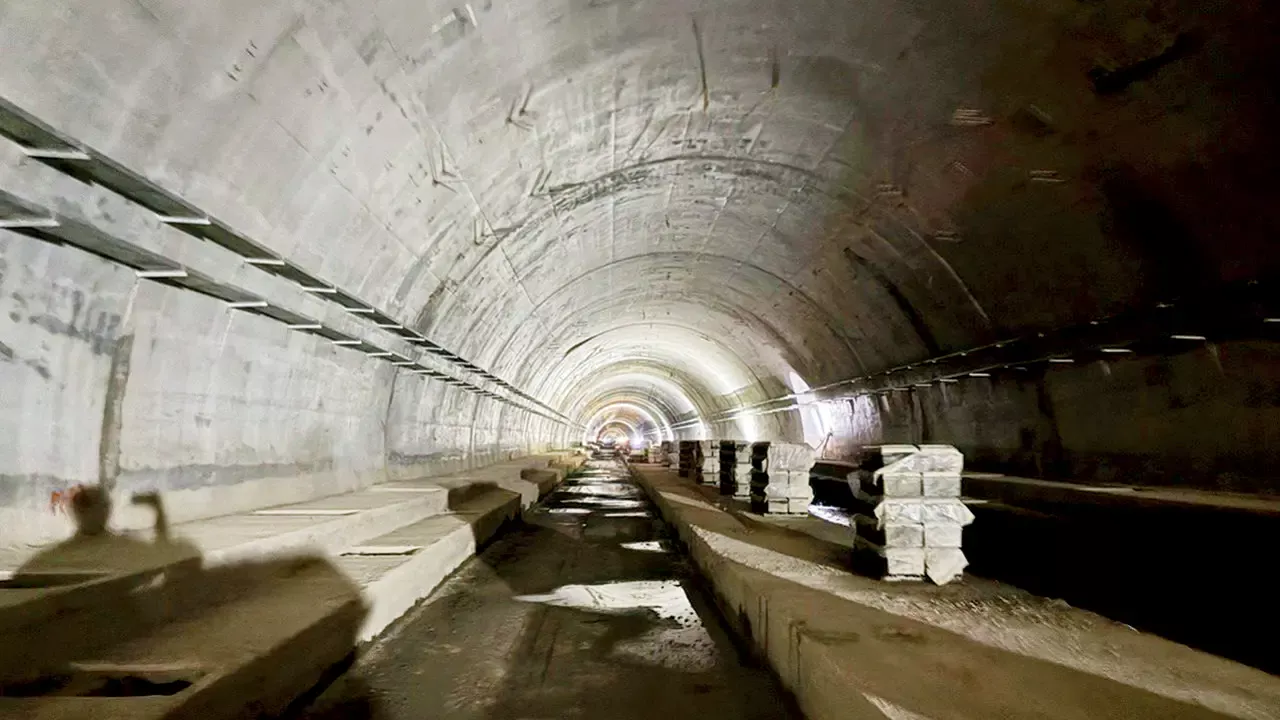
Mumbai’s long-term mobility blueprint received a major push on March 7, 2026, as Maharashtra’s state budget unveiled a sweeping plan to expand underground transit and road infrastructure across the metropolitan region. At the centre of the announcement is Metro Line 11, a fully underground corridor linking Wadala with the historic waterfront district near the Gateway of India, alongside a broader strategy to develop tunnels and high-capacity road connections aimed at easing congestion in one of India’s densest urban regions.
Urban planners say the proposed Metro Line 11 could become a critical east–south transit spine in the island city. The corridor, estimated to cost about ₹23,487 crore, is planned as an entirely subterranean alignment designed to minimise land acquisition in built-up areas while connecting key employment, residential and transport nodes. Officials familiar with the proposal say the line may eventually extend westwards toward major suburban railway and intercity terminals, strengthening cross-city travel options. The expansion reflects a wider transport strategy announced in the 2026–27 state budget, which outlines plans to build nearly 1,200 kilometres of metro rail corridors and more than 6,000 kilometres of expressways by 2047. The long-range framework aims to accommodate Maharashtra’s projected urban growth while reducing pressure on ageing transport systems.
Across the state’s largest metropolitan areas — including Mumbai, Pune and Nagpur — authorities report that around 490 kilometres of metro lines are currently under development, with a significant portion already operational. Transport officials indicate that approximately 173 kilometres are in service, while several additional corridors are scheduled to open within the next year. More extensive expansions are expected before the end of the decade as construction progresses across multiple lines. Alongside Metro Line 11, the budget highlighted a series of underground road corridors designed to reshape traffic movement through Mumbai’s core. One key project involves a deep tunnel connection linking the eastern waterfront with the city’s southern business districts. Engineering works have already begun on launching shafts for this alignment, with completion targeted toward the latter half of the decade.
Several cross-city tunnel links between the eastern and western suburbs are also advancing through different stages of construction and design. Urban mobility specialists say these corridors could significantly shorten travel times across the city by bypassing surface congestion, which remains a major economic cost for businesses and commuters. Beyond the island city, the budget also outlines new road and metro investments across the wider Mumbai Metropolitan Region. These include elevated corridors connecting emerging infrastructure such as the trans-harbour bridge, coastal road network and future airport hubs. Officials argue that integrating rail and road infrastructure will help redistribute traffic flows while improving access to employment zones and logistics corridors.
For urban economists, the infrastructure push signals a long-term shift in how India’s financial capital is planning for growth. Underground transit lines such as Metro Line 11 are increasingly seen as essential to building a low-carbon, high-capacity public transport network, reducing reliance on private vehicles while improving connectivity between historic districts, new commercial clusters and residential neighbourhoods. As detailed project planning advances through the year following the March 7, 2026 budget, transport authorities are expected to refine financing structures, construction timelines and station alignments. The success of projects like Metro Line 11 could play a defining role in shaping how Mumbai manages rapid urban expansion while maintaining liveability in one of the world’s most crowded coastal cities.
Mumbai 2026 Budget Expands Underground Metro Tunnel Plans