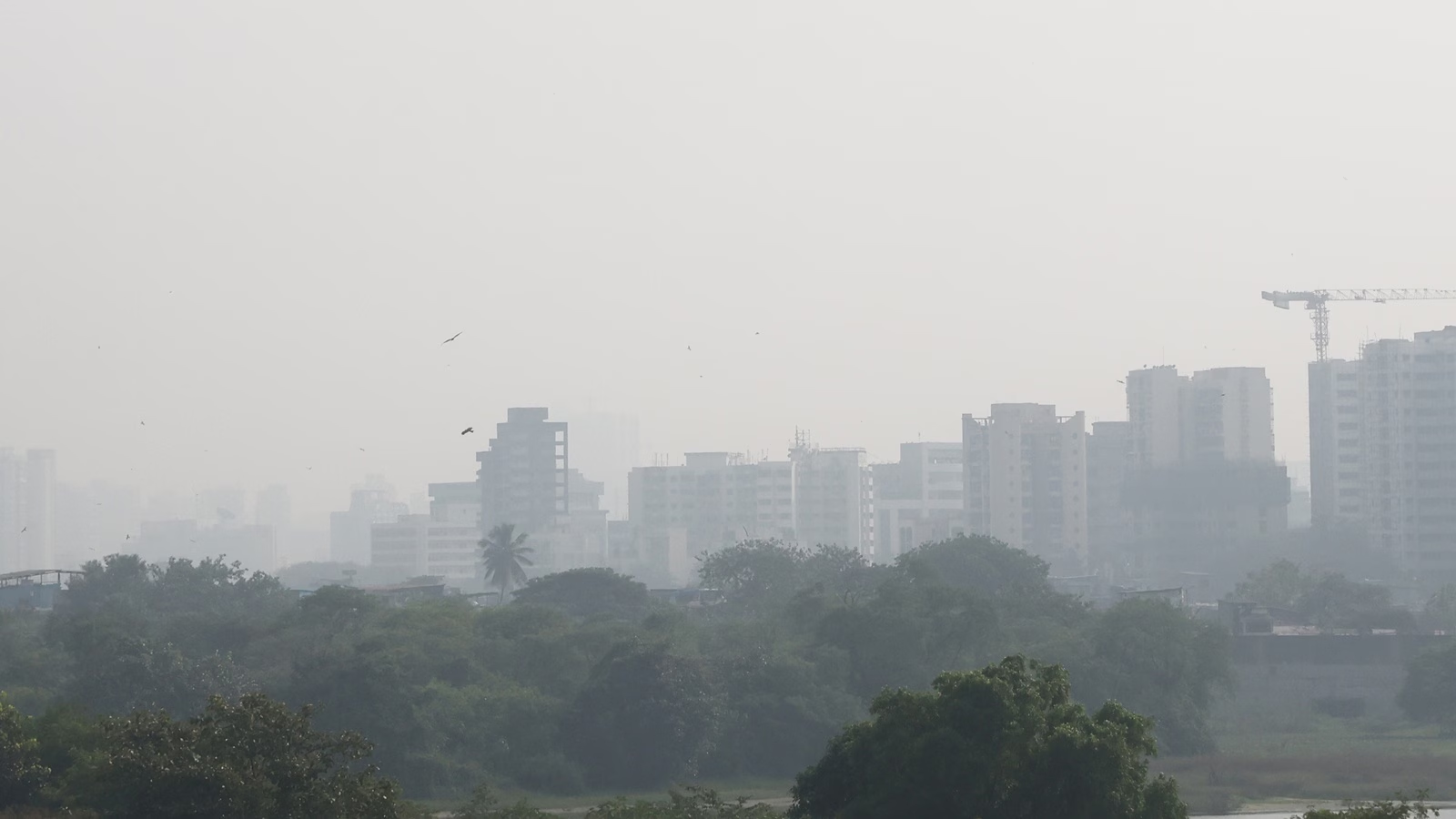
A sharp rise in particulate pollution is emerging as a major urban health challenge in western Maharashtra, with Pune air pollution levels increasingly linked to the city’s construction boom, expanding vehicle traffic and weak monitoring systems. Public health specialists and urban planners warn that prolonged exposure to particulate matter is now affecting a growing share of the population, raising urgent questions about how fast-growing cities manage development while protecting air quality.
Environmental monitoring data and healthcare assessments indicate that concentrations of PM2.5 and PM10 microscopic particles capable of penetrating deep into the lungs have climbed steadily across Pune and the neighbouring industrial hub of Pimpri-Chinchwad. Medical professionals report a noticeable rise in respiratory illnesses over the past five years, with patient volumes linked to breathing disorders nearly doubling during that period.Urban health experts say the increase reflects the intersection of rapid infrastructure growth and inadequate pollution controls. Pune currently hosts thousands of active construction sites tied to housing, infrastructure and commercial development. While such expansion is a sign of economic momentum, the resulting dust from excavation, drilling and material transport has become a significant contributor to airborne particulate matter.
Construction-related emissions are only part of the problem. Road dust stirred by heavy vehicles, diesel exhaust from freight traffic and sporadic waste burning have collectively intensified Pune air pollution, particularly in rapidly expanding suburban corridors. Localities such as Hinjewadi, Wakad, Bavdhan, Ravet and Punawale all areas experiencing strong real estate activity are seeing frequent movement of trucks carrying construction materials, which adds to roadside particulate levels. Urban planners note that this pattern is common in rapidly growing metropolitan regions where infrastructure expansion outpaces environmental safeguards. Many construction sites are required to install pollution monitoring systems and adopt dust suppression measures, yet enforcement gaps mean a significant number of projects continue without adequate oversight.
Healthcare data suggests the consequences are becoming more visible across age groups. Doctors report increases in asthma, bronchitis and allergy-related conditions, while cases of chronic lung disease are also appearing among people with no history of smoking. Infants and elderly residents appear particularly vulnerable because their respiratory systems are more sensitive to prolonged exposure to polluted air. Municipal authorities have introduced enforcement measures in recent years, including fines for uncovered construction trucks and action against heavy vehicles violating pollution norms. Tens of thousands of challans have reportedly been issued to goods carriers, generating significant penalties. However, environmental specialists say fines alone may not solve the structural causes of urban air pollution.
Improving air quality will likely require a combination of stricter monitoring of construction activities, better management of freight movement, wider use of dust suppression technologies and stronger urban greenery initiatives. Expanding tree cover and protecting natural landscapes around the city could help filter airborne pollutants while supporting broader climate resilience goals. As Pune continues its transformation into a major technology and manufacturing hub, policymakers face a familiar challenge confronting many emerging cities: ensuring that economic growth does not undermine environmental health. Addressing Pune air pollution will be essential not only for public wellbeing but also for the long-term sustainability and liveability of the region.
Pune Air Pollution Linked to Construction Surge