


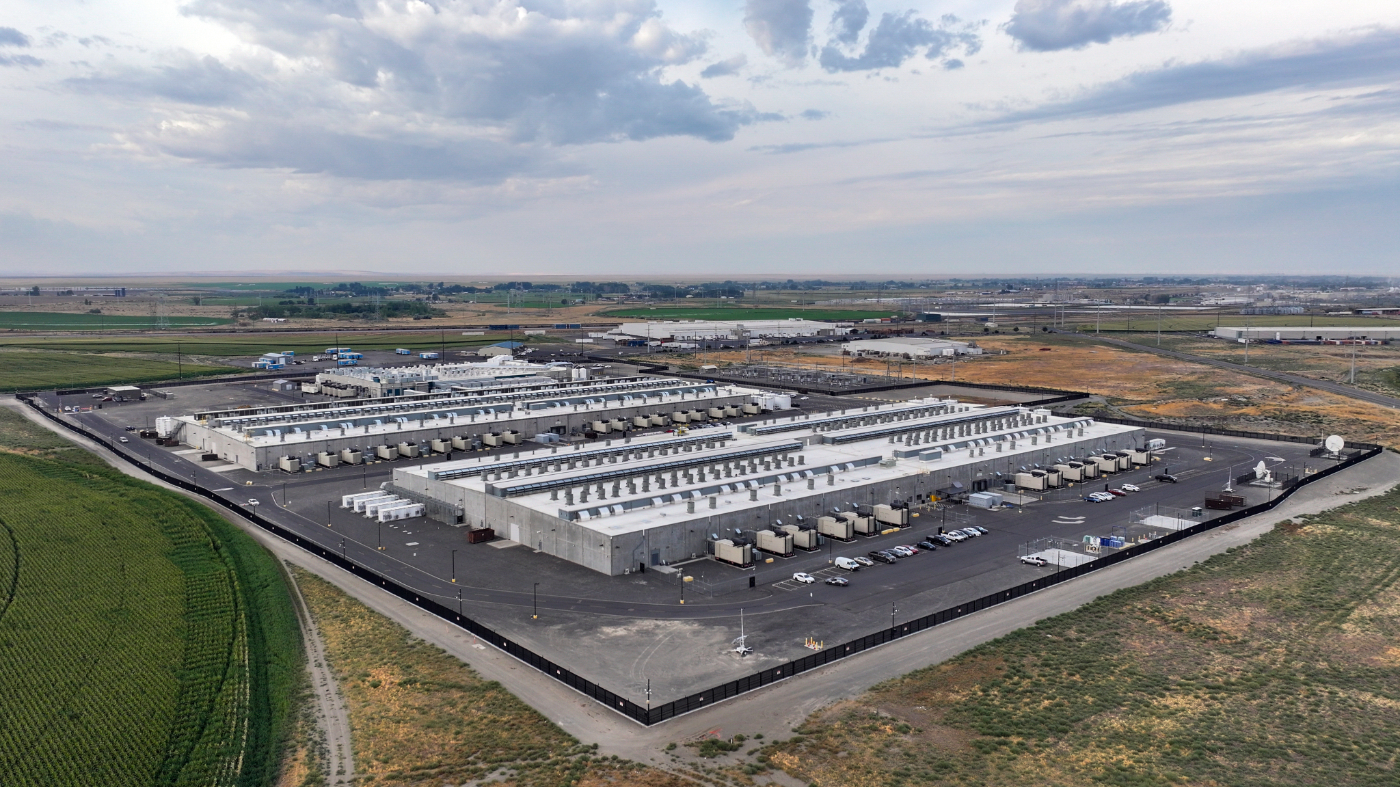
Senior technology executives met federal officials at the White House this week to address rising concerns that the rapid expansion of AI data centre infrastructure could translate into higher electricity bills for households and small businesses.The discussions focused on the accelerating energy demands of artificial intelligence workloads, which rely on power-intensive computing clusters and large-scale cooling systems. With utilities across multiple US states revising load forecasts upward, policymakers are under pressure to ensure that grid upgrades linked to AI growth do not disproportionately burden ordinary ratepayers.
The US President outlined a proposed “ratepayer protection” framework designed to shield residential consumers from cost pass-throughs associated with new data centre connections. Officials present at the meeting indicated that the administration is exploring mechanisms to ensure that capital expenditure on transmission lines, substations and backup capacity required for AI data centres is financed in a manner that reflects commercial usage rather than being socialised across the broader customer base.The AI data centre power costs debate has intensified as hyperscale facilities expand in regions such as Virginia, Texas and Arizona. Industry estimates suggest that a single advanced AI campus can consume as much electricity as a mid-sized city. Urban economists warn that if pricing structures are not carefully designed, cities hosting these facilities could face higher peak demand charges and infrastructure strain.
Energy regulators note that electricity tariffs are typically structured to recover both fixed infrastructure investments and variable generation costs. When large, continuous loads such as AI data centres enter the system, utilities must often invest in grid reinforcement and additional generation capacity. Without clear allocation rules, these upgrades risk feeding into general tariff revisions.At the same time, technology companies argue that AI infrastructure drives economic growth, job creation and local tax revenues. Several firms have committed to procuring renewable energy through long-term power purchase agreements, positioning AI campuses as catalysts for solar and wind development. Yet experts caution that renewable integration alone does not automatically resolve transmission bottlenecks or community-level grid stress.
Urban planners say the AI data centre power costs issue highlights a broader governance challenge: aligning digital infrastructure expansion with climate resilience and equitable urban development. Cities competing to attract data centres must evaluate not only land use and fiscal incentives, but also long-term energy affordability and environmental impact.Federal officials signalled that further consultations with utilities, regulators and state governments are likely. As AI deployment accelerates, the structure of electricity pricing — and who ultimately pays for the digital economy’s energy appetite — will remain central to balancing innovation with public interest.
Also Read:Bengaluru Central Road Upgrades to Affect Traffic
White House AI Data Centre Energy Concerns
