Chennai Faces Heatwave Conditions And Light Rain Outlook
Chennai is set to experience continued heatwave-like conditions while light rainfall may emerge in select districts later this week, raising concerns for urban resilience and public health management. The city’s heat stress, coupled with sporadic weather events in the surrounding regions, underscores the challenges of planning climate-resilient infrastructure in densely populated urban areas.
Meteorological analyses indicate that two upper-air cyclonic circulations—one over the Gulf of Mannar and another across the central South Bay of Bengal are currently influencing regional weather patterns. These systems are expected to limit rainfall across Tamil Nadu, Puducherry, and Karaikal until March 6. Between March 7 and March 9, however, isolated showers may occur in districts along the Western Ghats and southern coastal zones, providing temporary relief to areas experiencing prolonged dryness. Urban planners and climate specialists note that Chennai’s persistent high daytime temperatures, which have crossed 38°C in several districts, place additional strain on city infrastructure, particularly energy and water supply systems. Cooling demand surges during peak daytime hours, compounding electricity loads, while residents, particularly the elderly and vulnerable populations, face increased health risks. City authorities are closely monitoring conditions and have recommended that citizens maintain adequate hydration and limit exposure during peak heat hours.
Early morning fog is anticipated in isolated pockets of the Western Ghats and coastal districts over the next two days. In Chennai and its suburban areas, skies are expected to remain partly cloudy, with maximum temperatures hovering around 33–34°C and minimum temperatures between 22–23°C. Urban traffic patterns and public transport schedules may be affected, as visibility restrictions during morning hours can slow commuting and complicate last-mile connectivity. Experts emphasise that this seasonal weather variability highlights the need for cities like Chennai to integrate climate risk assessments into urban planning, particularly for water management and heat mitigation strategies. Measures such as increased urban greenery, reflective pavements, and resilient energy systems can help reduce heat exposure in densely built environments.
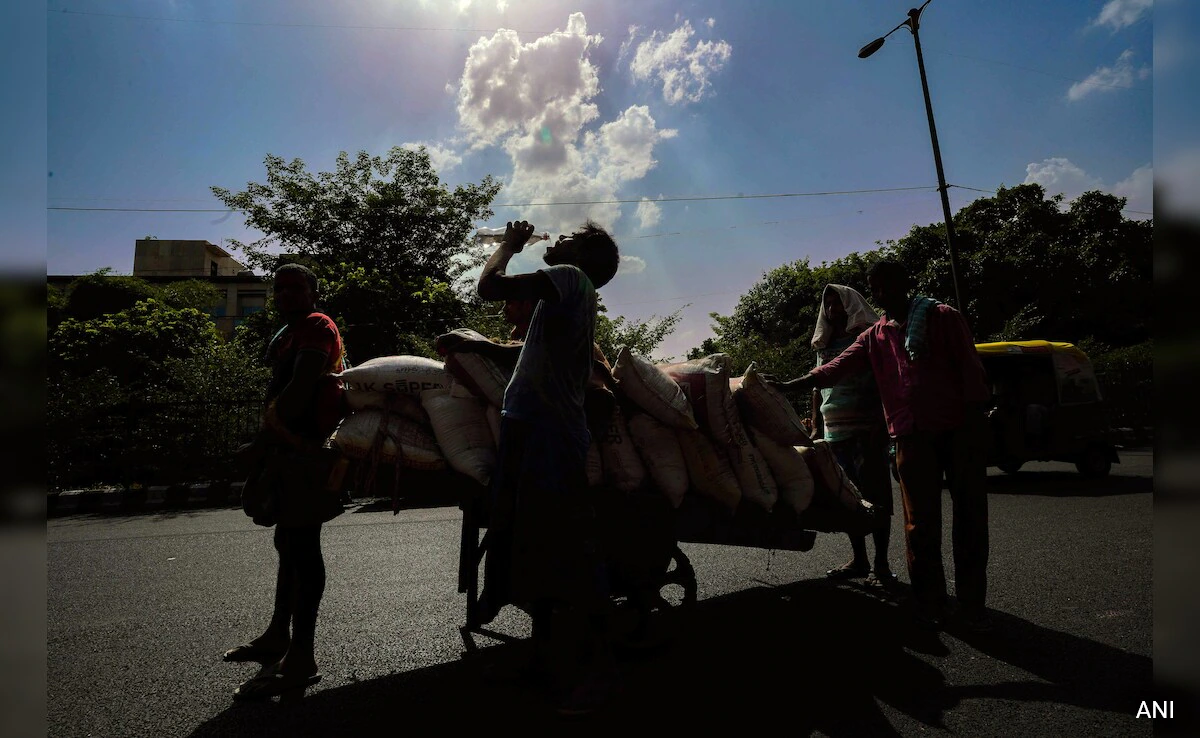
From an economic perspective, prolonged heatwaves may affect labour productivity in outdoor sectors and increase operational costs for construction and logistics, while limited rainfall may strain local water reservoirs and urban water distribution networks. Forward-looking infrastructure investments and adaptive urban design remain critical to safeguarding both citizens and business continuity in Chennai. As residents prepare for the coming days, city authorities and urban development experts are likely to focus on balancing heat mitigation with efficient water use, highlighting the broader intersection of climate, infrastructure, and civic planning in India’s rapidly urbanising coastal cities.