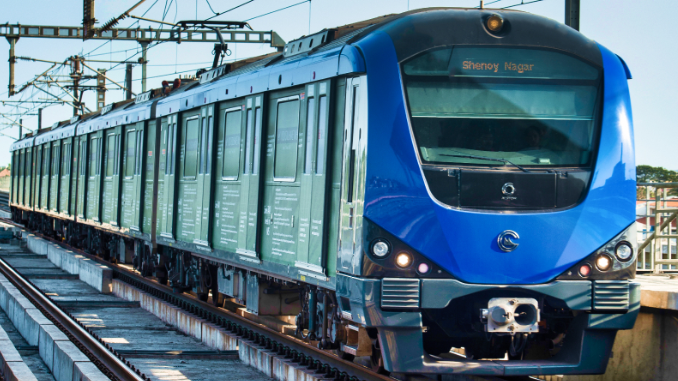
Chennai Metro Rail is set to improve accessibility for passengers with mobility challenges with the rollout of portable ramps across its 54-km network. The initiative, expected to be operational within weeks, addresses a long-standing barrier for wheelchair users: the gap between train and platform. The development marks a significant step toward inclusive urban mobility in one of India’s fastest-growing metropolitan regions.
Urban mobility experts note that, despite the city’s rapid metro expansion over the last decade, accessibility measures for differently-abled commuters have lagged. The introduction of portable ramps, along with associated staff training and storage arrangements at stations, is intended to streamline boarding and reduce reliance on ad hoc assistance. Each of the 41 stations in the Chennai Metro network will have two ramps available per platform, enabling quicker deployment and reducing delays during peak travel hours.
Officials emphasise that the ramps are more than a logistical upgrade; they are a measure aligned with the city’s broader commitment to equitable and resilient transport infrastructure. A senior urban transport consultant explained that bridging platform gaps is critical not only for passenger safety but also for enhancing overall ridership confidence, particularly among senior citizens and people with disabilities. By integrating such human-centric design elements, Chennai Metro can increase accessibility while supporting sustainable, inclusive urban growth. From an operational perspective, the Metro has implemented a system whereby ticket counter staff alert platform teams to incoming passengers requiring assistance. Staff will then place the ramps in time for train arrivals, a process designed to minimise missed connections and maintain service efficiency. Small storage provisions at stations, including hooks and dedicated hangers, will keep the ramps ready for rapid deployment. Analysts suggest that operational consistency and staff vigilance will determine the effectiveness of this initiative.
Urban planners also highlight that accessible transit infrastructure contributes to climate-resilient cities. By enabling more residents to use mass public transport comfortably, such interventions reduce dependency on private vehicles, lower urban congestion, and curb emissions. Economically, the ramps may indirectly support greater workforce participation among persons with disabilities, fostering equitable growth. While the rollout represents a step forward, industry observers caution that consistent monitoring and maintenance are essential. Ensuring the ramps remain functional, safely installed, and accompanied by trained personnel will be key to the long-term success of this accessibility measure. The Chennai Metro example could serve as a model for other Indian cities seeking to embed inclusivity into expanding rapid transit systems.