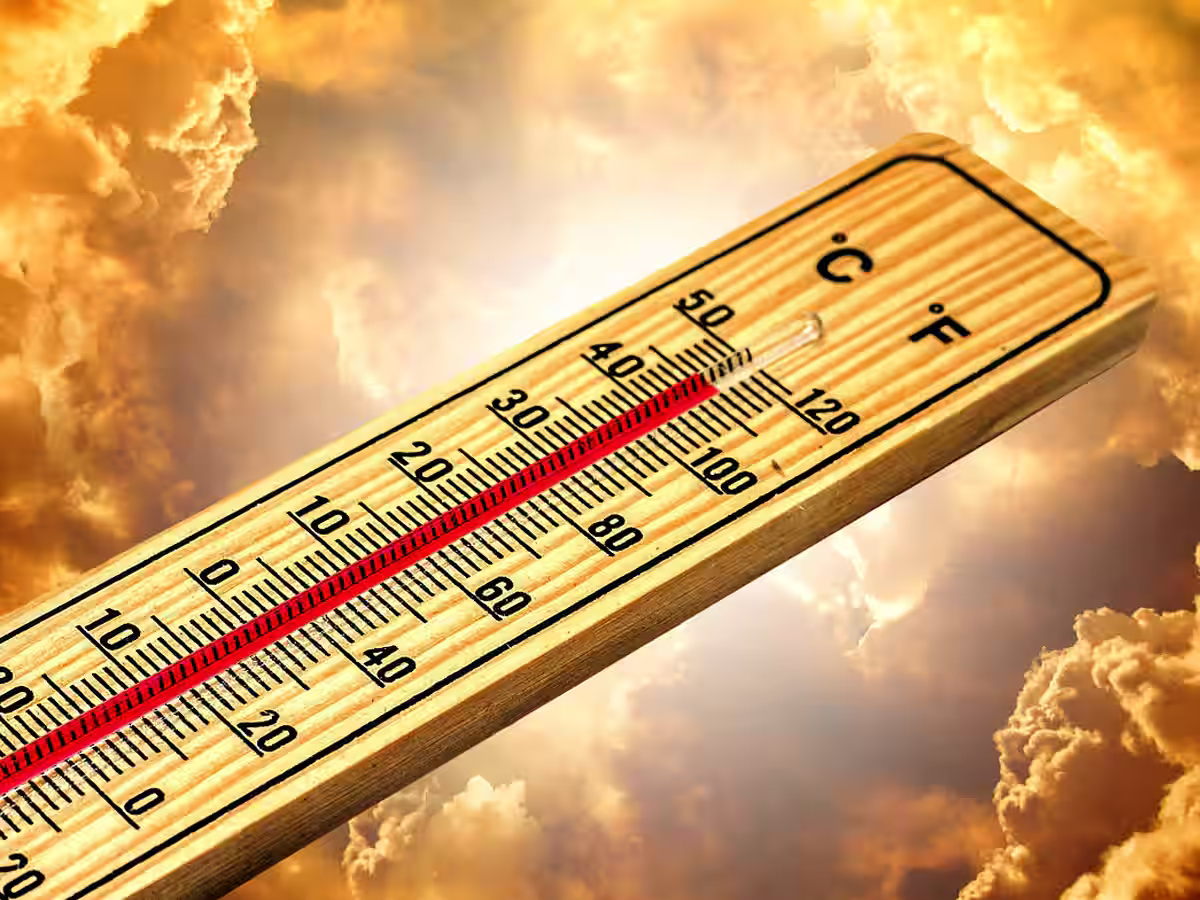
Jaipur Temperatures Set To Climb As Heat Wave Forecast Nears
JAIPUR — Residents and urban planners in Jaipur are preparing for a significant rise in temperatures, with forecasts indicating the mercury could reach around 38 °C next week — marking an early heat surge that raises concerns over public health, energy demand and municipal resilience across Rajasthan’s capital.
This development comes at a time when many Indian cities are grappling with shifting climate norms and underscores the need to integrate heat preparedness into urban planning frameworks. Meteorological models suggest that dry conditions, strong solar radiation and weakening winter air masses will combine to drive daytime temperatures upward, especially in central and eastern parts of the Jaipur urban area. Seasonal weather observers note that such spikes, occurring earlier than typical pre-summer peaks, reflect broader trends of climate variability affecting many parts of North India. For Jaipur — a city with extensive paved surfaces and relatively limited tree canopy coverage in core sectors — these temperature increases can amplify the urban heat island effect, further accentuating thermal stress in neighbourhoods with high building density. The implications of rising heat are multi-dimensional. For households and businesses, increased demand for cooling through air-conditioning and fans is likely to push up electricity consumption, placing pressure on distribution networks already challenged during peak load periods. Municipal authorities and energy planners are advising residents to follow energy-saving behaviours and make use of off-peak tariffs where possible to reduce strain on the grid.
In addition to electricity, heat stress affects water systems: elevated temperatures increase consumption and can accelerate evaporation in open reservoirs, stressing already constrained supply pipelines that serve both central Jaipur and outlying wards. Healthcare providers and civic bodies are also sounding alerts about heat-related health risks. Higher daytime temperatures elevate the risk of dehydration, heat exhaustion and thermal shock, particularly among vulnerable groups such as older adults, children and outdoor workers. Clinics and urban health posts are gearing up to advise on prevention strategies and plan outreach during peak afternoon hours. Local NGOs and resident associations have begun disseminating guidance on hydration, protective clothing and shaded public spaces to mitigate heat exposure. Urban climate experts caution that recurrent early heat surges highlight the importance of long-term adaptation measures. Strategies such as expanding green cover, incorporating reflective building materials, enhancing water bodies and accelerating the implementation of cool-roof technologies can help moderate ambient temperatures in built environments.
Experts have also stressed that such interventions complement Jaipur’s existing climate resilience goals, which include integrated water management and heat action planning. Transport systems are not immune to rising temperatures either. Road surfaces can soften and degrade under prolonged heat load, increasing maintenance needs and affecting traffic flow. Public transit agencies are considering schedule adjustments and additional cooling provisions at major bus stops and transit hubs to ensure commuter comfort and safety. As the forecast unfolds, Jaipur’s civic administration is coordinating with meteorological agencies to issue timely alerts and advisories. Early warning systems and heat-health indicator dashboards have been updated to support decision-making across departments. These tools help align responses from public health, water supply, power regulation and emergency services — ensuring that heat stress is managed through a whole-of-city approach rather than isolated interventions.
For Jaipur residents and businesses alike, the coming days will serve as a practical test of how well urban systems — from infrastructure to community services — can absorb and adapt to temperature extremes that are increasingly part of contemporary climate patterns.