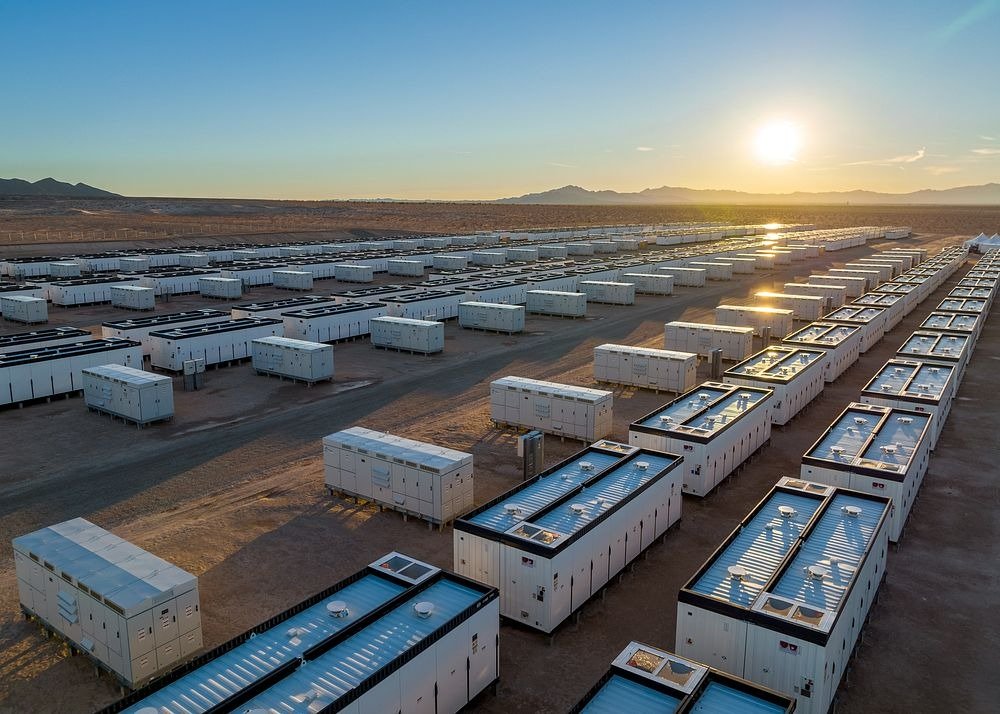
Chennai is poised to strengthen its renewable energy infrastructure with the approval of 1,500MWh of new battery energy storage systems (BESS) aimed at stabilising power supply across the state. The Tamil Nadu Electricity Regulatory Commission (TNERC) has greenlit three private developers to implement the systems, signalling a significant push towards ensuring uninterrupted access to clean energy for both urban and industrial consumers.
The winning bidders include two Chennai- and Delhi-based firms and one Maharashtra-based developer, all tasked with establishing modular BESS units under a build-operate-transfer model for 12–15 years. The combined systems will be capable of storing and discharging up to 2.25 million units of electricity daily, providing a buffer for fluctuations in solar and wind generation. Each developer will also receive government viability gap funding, a move designed to make large-scale storage financially viable while accelerating adoption.
Urban planners and energy experts note that these projects mark a turning point for Tamil Nadu’s electricity sector. “Integrating large-scale battery storage reduces dependence on coal plants during peak non-solar hours,” said a senior official in the energy sector. Beyond reliability, the BESS infrastructure positions Chennai and surrounding industrial hubs to meet increasing demand for green energy, particularly from multinational companies committed to sourcing 100% renewable power. This rollout builds on the state’s earlier 2024 initiative, which saw contracts awarded for 1,000MWh of storage capacity. The cumulative effect is expected to increase the resilience of the state grid, support urban sustainability goals, and offer greater flexibility in managing variable renewable energy output. By storing excess solar or wind generation, the BESS will also help smooth fluctuations in electricity prices, potentially lowering costs for commercial and residential consumers in the long term.
Analysts emphasise that Tamil Nadu’s focus on battery storage is consistent with broader urban development and climate resilience strategies. Cities like Chennai face mounting energy demands due to rapid urbanisation, industrial expansion, and rising adoption of electric mobility. Deploying storage infrastructure enables more stable, decarbonised grids, mitigating risks of power shortages while supporting the transition to zero-carbon urban environments. As the state moves forward, monitoring system performance, regulatory alignment, and integration with smart grid initiatives will be critical. The BESS projects, once operational, are expected to not only enhance renewable energy reliability but also strengthen Tamil Nadu’s position as a competitive destination for climate-conscious investors and sustainable urban development projects.