Nashik Tops 80 Percent Waste Segregation At Source
The Nashik Municipal Corporation (NMC) has reported a significant rise in household waste segregation, with over 80 percent of municipal solid waste now being separated at source, marking a substantial shift in citizen participation and urban service effectiveness. This milestone — a jump of roughly 40 percentage points over the past six months — positions Nashik among Indian cities making tangible progress on sustainable waste governance, a priority for both environmental health and national cleanliness rankings.
Municipal officials attribute the surge to intensified awareness campaigns, stricter enforcement and enhanced service delivery, including clearer guidance to households and businesses on segregating wet (biodegradable) and dry (recyclable) streams. Local authorities have made source segregation a cornerstone of Nashik’s solid waste management strategy, aligning with national mandates such as the Swachh Survekshan performance criteria that reward cities for high segregation rates and efficient waste processing.City planners say that achieving over 80 percent segregation at source carries both environmental and operational benefits. Segregated wet waste can be more effectively channeled into composting facilities, reducing landfill pressure and methane emissions — a potent greenhouse gas — while dry waste streams can be routed into recycling networks, unlocking economic value and reducing resource extraction. Enhanced segregation also supports smoother processing at Nashik’s integrated waste infrastructure near Pathardi, where compost and refuse-derived fuel (RDF) plants operate.
For residents, the shift has been visible on many streets. In neighbourhoods across wards, households now routinely separate kitchen waste from plastics, paper and metals before handing it over to the iconic “Ghantagadi” collection vehicles. Household compliance has been bolstered by a civic communication drive emphasising that non-segregated waste will no longer be collected — a policy stance introduced late last year to push behavioural change.Urban sustainability experts welcome the progress but stress that segregation rates are only one piece of the puzzle. Segregation must feed into reliable downstream infrastructure — including composting facilities, material recovery facilities and organised recycling markets — to ensure that waste is not simply shifted around but genuinely valorised. For Nashik, enhancing processing capacity and connecting waste generators to formal recycling ecosystems remain key tasks in the months ahead.
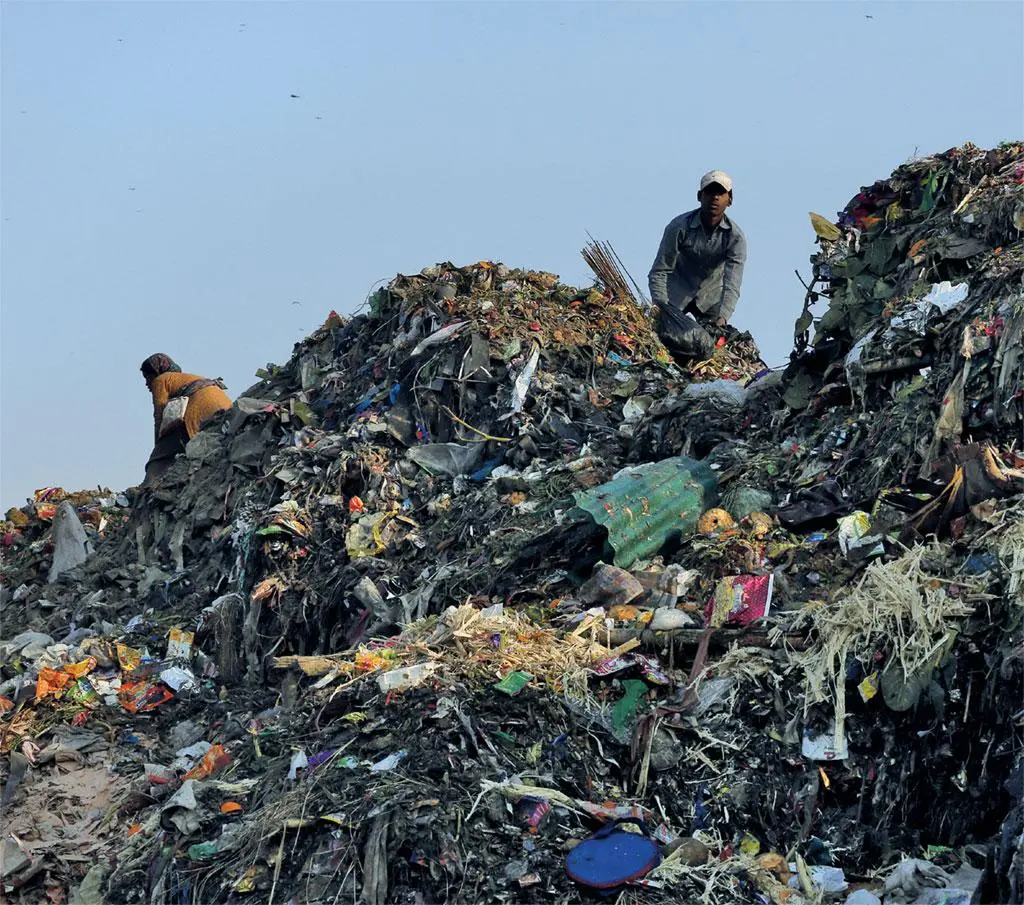
There are also social equity dimensions. Informal waste workers — often overlooked in policy discourse — play a vital role in segregating recyclables and linking them to markets. Integrating these workers into formal systems with decent work conditions and safety nets will be critical to sustaining gains while expanding livelihoods. Public awareness campaigns increasingly target such inclusion, offering training and community outreach that reinforce both environmental and economic value chains.Challenges remain: periodic citizen reports indicate occasional lapses in service coverage and unwanted dumping in peripheral areas, suggesting that fuller governance responsiveness and improved infrastructure access are still needed. In addition, the seasonal monsoon, with higher organic waste volumes, will test whether segregation momentum can be maintained.
Still, surpassing the 80 percent threshold within Nashik’s households signals a growing civic environmental ethic that supports cleaner streets, improved public health and reduced climate impact — goals that align with broader city ambitions of becoming a resilient, inclusive and future-ready urban centre.