


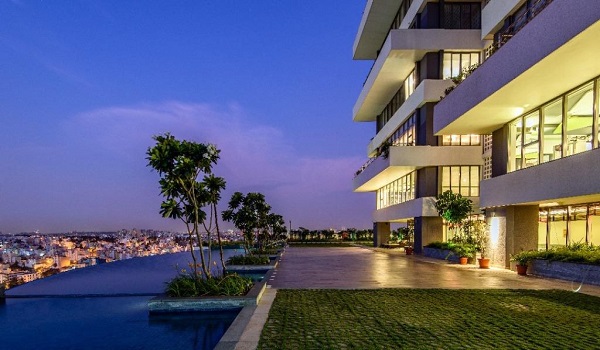
Devanahalli in North Bengaluru is fast consolidating its position as one of the city’s most closely watched real estate corridors, with rising residential demand driven by airport proximity, industrial expansion and planned infrastructure upgrades. Once viewed as a peripheral outpost, the micro-market is now attracting both long-term homebuyers and investors seeking early-stage appreciation.
Located near Kempegowda International Airport, Devanahalli has benefited from sustained public and private investment over the past decade. Road widening projects, logistics parks and proposed metro connectivity have improved accessibility to the central city while strengthening its appeal as an employment-linked housing destination. Real estate analysts tracking North Bengaluru note a gradual shift in buyer behaviour. With central and eastern neighbourhoods facing congestion and rising land values, purchasers are increasingly considering emerging zones that offer larger layouts, integrated townships and comparatively lower entry prices. Devanahalli, in particular, presents opportunities for plotted developments and gated communities that are harder to assemble in mature urban districts. The corridor’s momentum is also tied to its growing employment ecosystem. Aerospace, technology and manufacturing clusters planned around the airport region have expanded the area’s economic base. Industry observers say that as these projects move from announcement to execution, residential absorption has followed in anticipation of workforce migration. Data from market consultants indicates that price appreciation in Devanahalli has been steady rather than speculative, suggesting demand is supported by infrastructure visibility rather than short-term sentiment. Compared to saturated sub-markets, the region continues to offer relatively competitive per-square-foot rates, drawing first-time buyers alongside investors with a five- to ten-year horizon.
Urban planners, however, caution that growth must be carefully managed. Peripheral expansion without adequate social infrastructure including schools, healthcare facilities, public transport and water security can create dormitory suburbs that strain city resources. Integrating affordable housing components and ensuring inclusive zoning will be critical as land values rise. The prospect of metro rail extension toward the airport and improved arterial connectivity is expected to further influence market dynamics. Transport economists argue that reliable public transit could reduce car dependency and shape more sustainable commuting patterns, aligning with Bengaluru’s broader climate resilience objectives. Investor interest from non-resident Indians and aviation-linked professionals has also increased, reflecting confidence in the airport-led growth story. Yet experts emphasise that long-term viability will depend on timely infrastructure delivery and environmental safeguards, particularly given North Bengaluru’s ecological sensitivity.
As Bengaluru’s urban footprint continues to expand, Devanahalli’s trajectory illustrates a broader transition from city-centred development to distributed growth corridors anchored by transport infrastructure and employment hubs. Whether the region evolves into a balanced, liveable district or a speculative land bank will depend on how effectively planning keeps pace with momentum.
Also Read: Karnataka Bengaluru e Khata drive enters mass phase
Devanahalli North Bengaluru draws property investors
