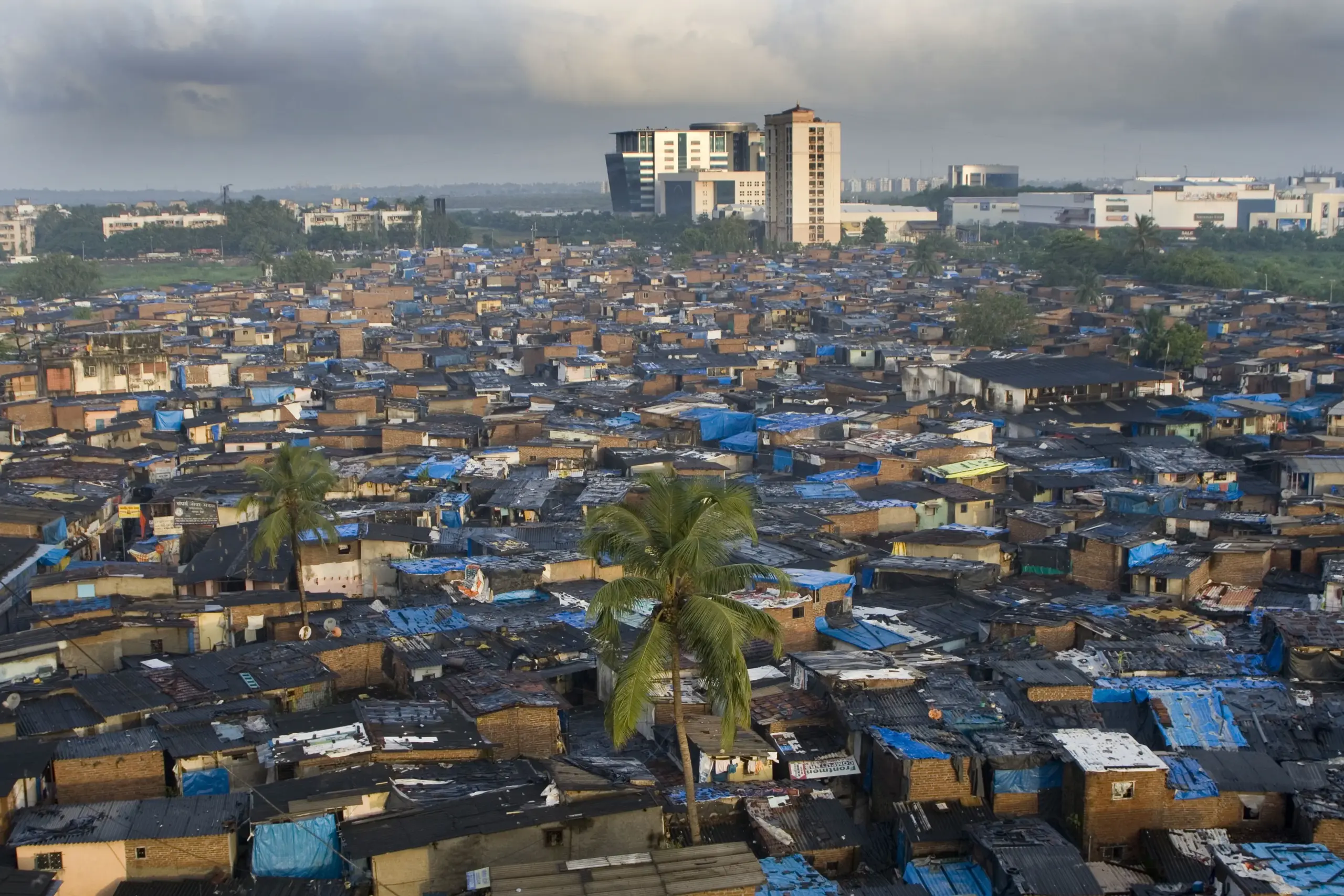
Mumbai is preparing for what officials describe as the world’s largest urban restructuring initiative in Dharavi, targeting comprehensive social and economic transformation over the next two decades. Authorities and project developers emphasise that the initiative goes beyond conventional real estate development, aiming to improve living conditions, enable economic mobility, and empower residents across one of the city’s most densely populated neighbourhoods.
Urban planners and city development experts note that Dharavi, home to approximately one million residents with extensive commercial activity, represents both a challenge and an opportunity for inclusive city planning. The redevelopment strategy incorporates housing, retail, healthcare, and entertainment infrastructure, effectively envisioning a self-contained urban microcosm within Mumbai’s broader metropolitan framework. Senior project officials highlighted that construction work will span seven years, while the full vision—including public amenities, civic spaces, and commercial hubs—will unfold over 15–20 years. Connectivity improvements across Mumbai have been cited as a key enabler of the project’s feasibility. With the expansion of aviation infrastructure, including the development of a second airport, and broader transport upgrades across the city, commuting times have reduced, making integrated redevelopment projects more viable. Urban mobility experts suggest that such connectivity investments are crucial to sustaining long-term economic activity and ensuring equitable access to services for redeveloped communities.
The redevelopment plan is structured to be inclusive, with a focus on the existing residents of Dharavi. Officials stressed that social empowerment remains a central objective, prioritising access to livelihood opportunities, education, and healthcare. A senior urban development consultant observed that by embedding social and economic empowerment within the project design, the initiative aligns with principles of climate-resilient and people-first urban growth. Experts also emphasise the importance of phased implementation to manage disruption. Temporary relocation, stakeholder engagement, and community consultations are expected to be integral components, ensuring that the project preserves the socio-economic fabric while introducing new urban infrastructure. Observers suggest that such long-term, large-scale redevelopment projects can serve as a model for other high-density urban areas, balancing development imperatives with the dignity and welfare of residents.
Analysts note that Mumbai’s unique geography as an island city imposes constraints on expansion, making vertical and integrated redevelopment projects essential. By combining residential, commercial, and civic infrastructure within a single framework, the Dharavi project aims to set benchmarks for urban planning, sustainable infrastructure, and equitable growth in densely populated contexts. The initiative’s success will depend on sustained coordination between municipal authorities, private developers, and local communities, alongside careful monitoring of social outcomes. As Mumbai positions itself for future growth, the Dharavi restructuring project reflects a strategic approach to delivering long-term economic, social, and urban resilience for one of the city’s most iconic neighbourhoods.
Mumbai Plans 20 Year Dharavi Transformation Project