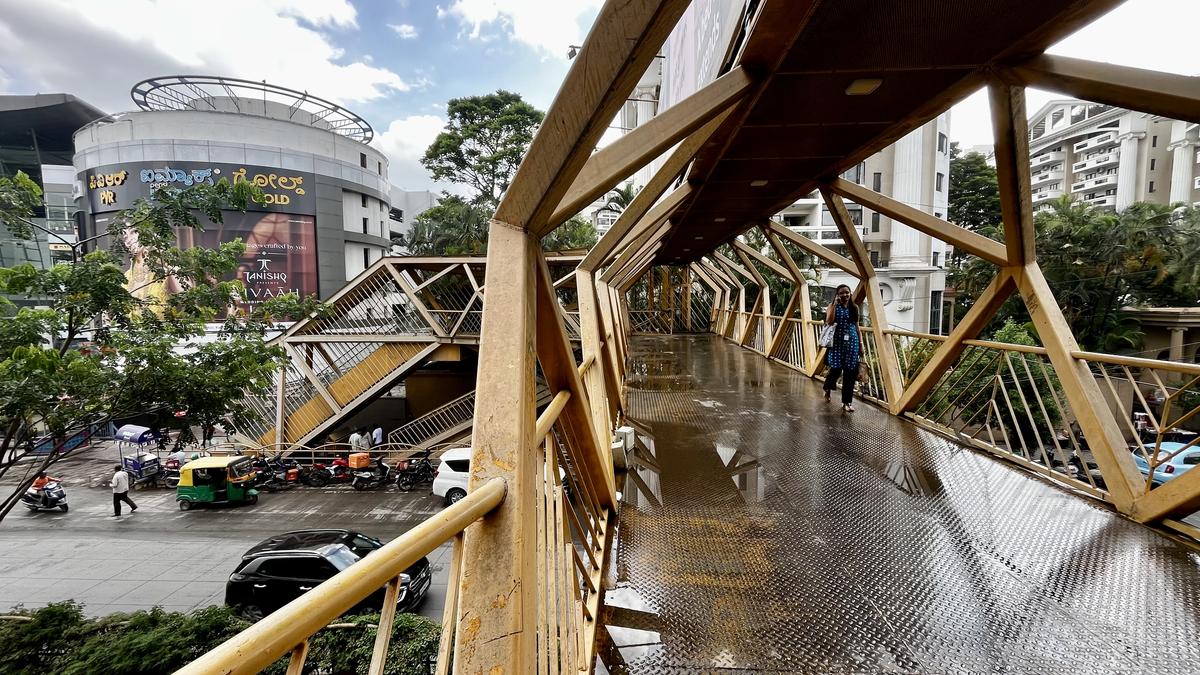
Bangalore Improves Safety on Majestic Bus Footbridge
Bangalore commuters can now access the foot overbridge at Kempegowda Bus Station without safety concerns, following intensified policing to curb disruptive activity. The intervention, aimed at maintaining public order, responds to long-standing complaints about harassment and inappropriate behaviour on one of the city’s busiest transit nodes. Urban mobility experts note that accessible and safe pedestrian infrastructure is crucial for promoting gender-inclusive public transport and efficient city circulation.
Local police deployed a contingent of officers across the foot overbridge and its access points to prevent the presence of individuals whose activities had previously deterred commuters, particularly women, from using the facility. Officers are stationed throughout the day, coordinating from nearby stations to optimise coverage without compromising other civic duties. Officials indicate that these measures are part of a broader strategy to manage high-density urban transit areas while repurposing available security personnel during low-activity periods. The foot overbridge connects key transport corridors at Majestic, a hub handling thousands of passengers daily. For many commuters, the structure provides a critical link between the bus terminus and surrounding metro stations, facilitating seamless intermodal travel. “Safe pedestrian routes are essential for cities aspiring to reduce vehicle dependence,” said an urban planning analyst. “When footbridges or crossings are perceived as unsafe, people are less likely to use public transport, which undermines broader mobility and sustainability goals.”
City planners have emphasised that ensuring nuisance-free public spaces contributes not only to commuter safety but also to the economic efficiency of urban infrastructure. Crowded or unsafe pedestrian zones can increase delays, reduce transit ridership, and strain surrounding roads, while secure and accessible bridges encourage walking and transit use, supporting the city’s zero-carbon mobility objectives. Gender-sensitive infrastructure improvements, including constant monitoring and visibility measures, are increasingly recognised as critical components of inclusive urban design.
Commuters report noticeable improvements in usability and comfort since the measures were implemented, highlighting the importance of sustained oversight and civic enforcement. Observers note that long-term solutions could involve structural redesigns, surveillance systems, and coordinated urban management strategies to maintain these gains. The current policing initiative underscores the role of proactive urban governance in safeguarding public spaces and supporting equitable access to city infrastructure. As Bangalore continues to expand its transport networks and enhance pedestrian connectivity, maintaining safe, nuisance-free footbridges will remain a key priority. Analysts suggest integrating data-driven monitoring and periodic audits to align security measures with sustainable urban mobility and inclusive city planning goals.