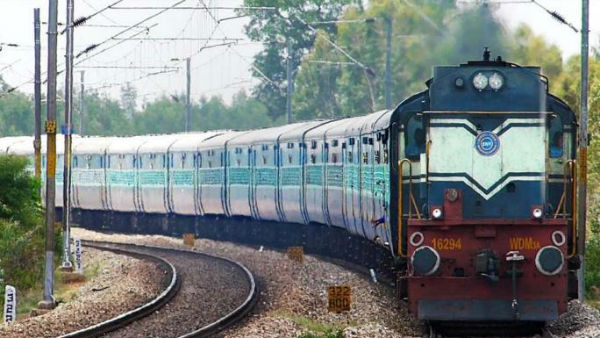
The introduction of high-speed Vande Bharat trains on the Bengaluru-Mangaluru route is facing a delay, as regulatory approvals remain pending for the challenging ghats section between Sakleshpur and Subrahmanya Road. The 55-kilometre corridor, which was electrified for modern traction in 2026, includes steep gradients, tight curves, and dense tunnel and bridge networks, creating operational complexities for self-propelling trains.
Railway authorities have flagged that the Vande Bharat rakes, unlike conventional locomotive-hauled trains, lack automatic emergency braking (AEB) systems required for steep ghat stretches. Without AEB, trains risk exceeding speed limits on inclines, raising safety concerns. A formal scheme to retrofit the rakes with this safety feature is under consideration by the national rail safety body, but the process could take several months, delaying full operational rollout.
The corridor itself is a critical link connecting Bengaluru’s urban core with coastal Karnataka, facilitating faster passenger and freight movement. Analysts say delayed deployment of Vande Bharat services may affect regional economic connectivity, especially for tourism and logistics, where reduced travel time is an incentive for businesses and commuters. “High-speed connectivity in ecologically sensitive ghat zones demands careful integration of technology and terrain-specific safety systems,” said a senior rail official familiar with infrastructure planning. South Western Railway is exploring a temporary workaround by attaching auxiliary locomotives to haul the train through the ghats. While operationally feasible, this undermines the train’s self-propelling design and could add time during locomotive coupling and decoupling. Urban planners and transport specialists caution that retrofitting or relying on supplementary locomotives may introduce inefficiencies and higher energy use, conflicting with broader goals of low-carbon, sustainable transport solutions.
The 55-kilometre Sakleshpur-Subrahmanya Road stretch is particularly demanding, with 57 tunnels, 226 bridges, and over 100 sharp curves. Electrification, completed over nearly two years, marked a significant infrastructure investment aimed at supporting modern rolling stock. However, experts emphasise that deploying next-generation trains in ghat regions requires integrated design considerations, from braking systems to gradient-adaptive propulsion, ensuring both safety and operational efficiency. Rail authorities have indicated that approval for Vande Bharat operations is expected once AEB compliance is achieved. Meanwhile, commuters and regional stakeholders continue to anticipate faster, reliable, and climate-conscious rail connectivity. The episode underscores the technical and regulatory challenges in extending high-speed rail networks across ecologically sensitive, topographically complex zones, highlighting the importance of long-term planning in sustainable infrastructure projects.