


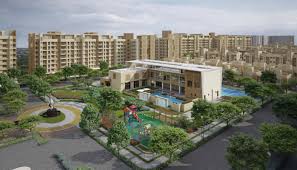
A new celebrity endorsement has entered India’s fast-growing branded land market, with Bollywood actor Kartik Aaryan announced as brand ambassador for a waterfront plotted development in South Nagpur. The project, Nagpur Marina, is being developed by The House of Abhinandan Lodha (HoABL), which has positioned itself as a national player in organised land sales.
Spread across 78 acres, the scheme centres on a 2.91-acre artificial water body and beach-themed landscape, alongside a 28,000 sq ft clubhouse and lifestyle amenities. Marketed as a destination-led enclave, the development targets high-net-worth buyers seeking long-horizon land investments rather than immediate built housing. Industry analysts view the move as part of a broader shift in how plotted developments are branded and sold. Traditionally perceived as speculative or unstructured, organised land offerings are increasingly being packaged with master planning, gated layouts and amenity infrastructure. Celebrity associations, meanwhile, aim to reinforce brand credibility in a segment where transparency and title assurance are often primary buyer concerns. The actor’s association with the developer reportedly began as a personal investment in an earlier project in Alibaug, later evolving into a formal endorsement. While celebrity ambassadors are common in vertical residential launches, their entry into the plotted land segment reflects intensifying competition for affluent urban investors.
Nagpur’s evolving connectivity plays a central role in the project’s positioning. The site lies near the Mumbai Nagpur Samruddhi Expressway corridor and the proposed International Business and Financial Centre (IBFC) node planned for the region. Improved transport infrastructure has fuelled expectations of long-term land value appreciation in peripheral growth zones. However, urban economists caution that land-led developments must be evaluated beyond branding. Sustainable success depends on regulatory clarity, phased infrastructure delivery and integration with broader civic services such as water, power and public transport. Large-format plotted enclaves on city edges can either catalyse structured growth or contribute to fragmented sprawl, depending on planning oversight. HoABL reports strong investor participation in the project, including overseas buyers. The branded land model where developers focus on layout creation, documentation and infrastructure provision while buyers construct independently has gained traction among investors seeking flexible ownership without the density of apartment living. For Nagpur, which has been positioning itself as a logistics and industrial hub in central India, such projects signal rising speculative and lifestyle interest alongside economic development. Whether this translates into sustained habitation or remains largely investment-driven will depend on employment generation and social infrastructure build-out.
As celebrity branding becomes more common in India’s property markets, the durability of such strategies will ultimately hinge on execution quality, legal transparency and the creation of liveable, well-serviced communities rather than marketing visibility alone.
Also Read: Mumbai PropTech and flex reshape offices
Nagpur real estate sees celebrity endorsement
