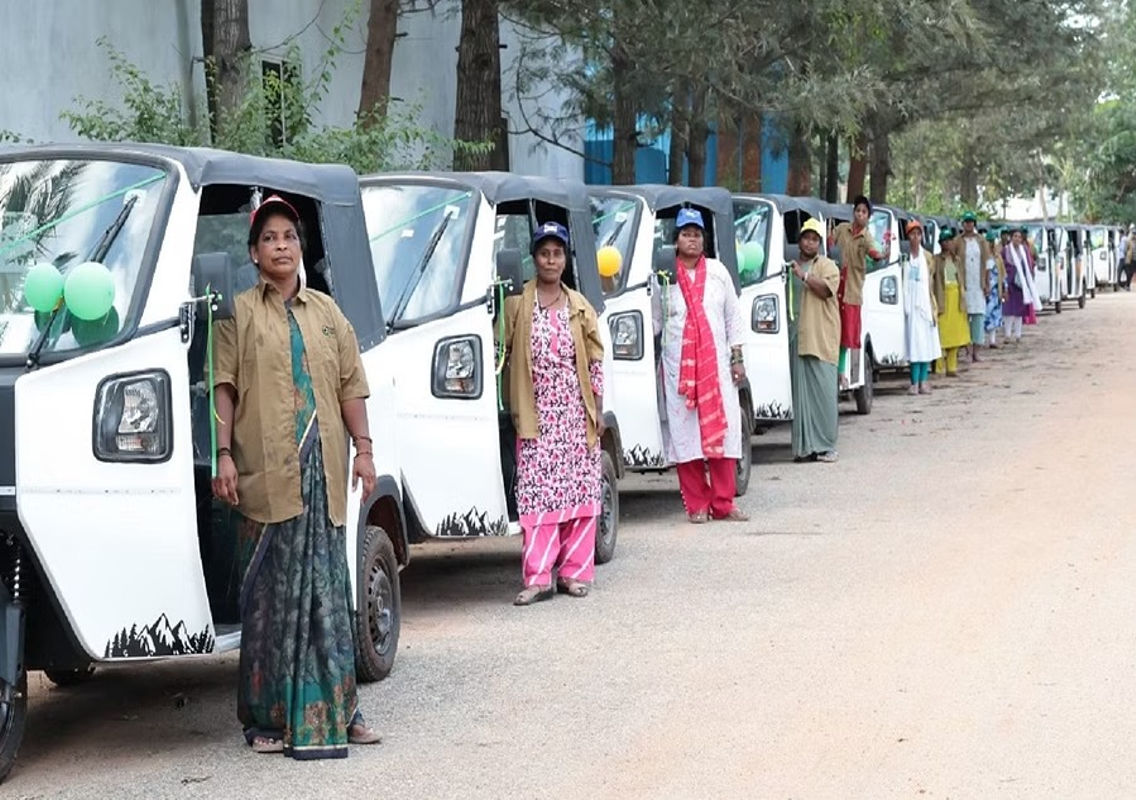
Bengaluru is witnessing a significant push toward inclusive urban mobility with the launch of a free auto-rickshaw driving and skills training programme for women and transgender citizens. The initiative, rolled out in the BTM Layout area, seeks to equip historically underrepresented groups with professional driving certification, potentially reshaping both the city’s labour dynamics and its commuter ecosystem.
Urban planners and transport analysts note that auto-rickshaws remain a vital component of Bengaluru’s daily transit framework, particularly in areas underserved by metro and bus networks. By formally training women and transgender drivers, the programme addresses not only employment equity but also the broader goal of making urban transport safer and more accessible. A senior official involved in urban mobility emphasised that initiatives like this can diversify income streams for marginalised groups while enhancing first- and last-mile connectivity across the city.
The programme, developed through a partnership between civic organisations and corporate entities under their corporate social responsibility (CSR) mandates, has already trained over 500 participants across multiple assembly constituencies. Experts highlight that structured skill development for auto-rickshaw drivers is uncommon in Indian cities, where informal apprenticeship remains the norm. Introducing standardised certification can improve service quality, boost earnings, and encourage safer driving practices key factors in a densely populated city prone to traffic congestion and accident risks. Economic analysts point out that inclusive training programmes also intersect with Bengaluru’s wider ambitions for sustainable urban growth. Empowering women and transgender workers aligns with gender-sensitive economic development while creating a flexible workforce that can contribute to micro-entrepreneurship. By formalising what has traditionally been an informal sector, the city may also see improved regulatory compliance, tax contributions, and urban mobility planning insights derived from data collected through certified operators.
The initiative’s organisers plan to scale the programme across all assembly constituencies, signalling a strategic effort to embed gender-neutral skill development into the city’s broader transport framework. Urban development experts note that replicable models like this could set precedents for other Indian metropolitan centres aiming to integrate equity, mobility, and climate resilience in planning. Looking ahead, policymakers are considering complementary measures, including subsidies for vehicle acquisition, streamlined licensing procedures, and safety infrastructure upgrades. For a city grappling with congestion, air pollution, and socio-economic disparities, structured programmes that combine skill empowerment with transport utility may offer a blueprint for inclusive, people-first urban development.