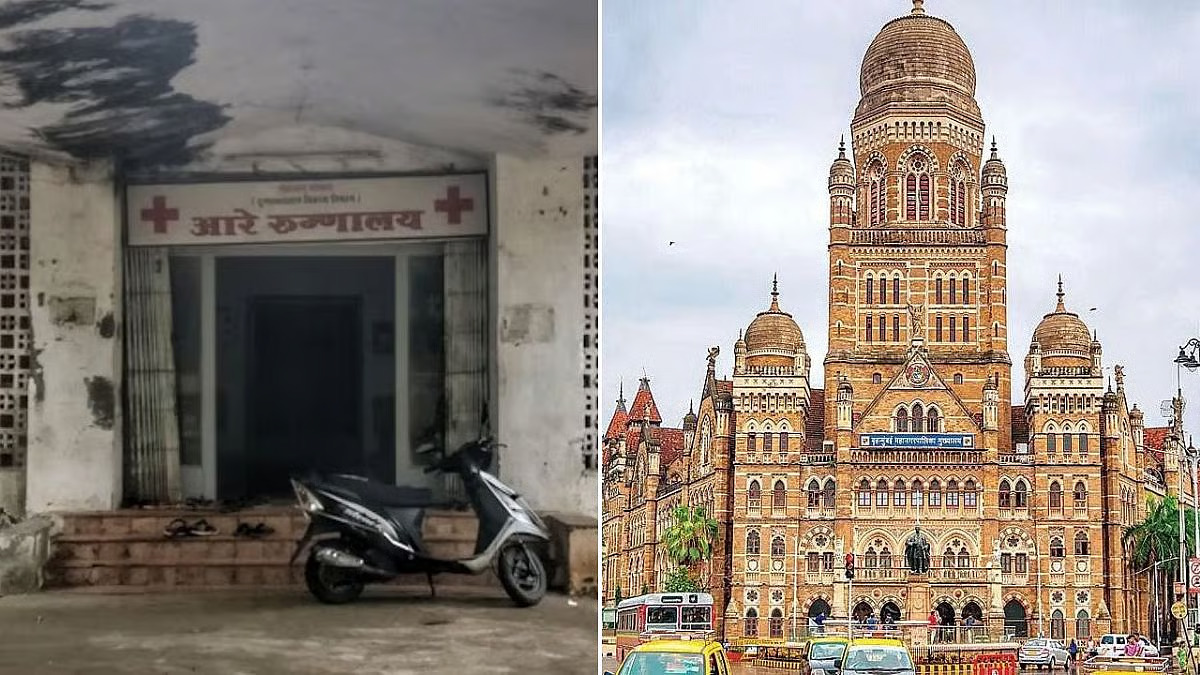
Mumbai’s long-pending effort to strengthen public healthcare access in the ecologically sensitive Aarey region is moving closer to execution, with a proposal to formally bring the Aarey Colony hospital under municipal control entering the civic approval process. Once cleared, the transition is expected to integrate the facility into the city’s public health network, addressing a critical service gap for both tribal and non-tribal communities living in and around Aarey.
The hospital, located within the Aarey Dairy Colony, has been operating far below capacity for years despite its strategic location. Civic officials confirmed that the proposal for municipal management has been placed before the relevant civic committee, following the state government’s decision last year to lease the hospital and adjacent residential buildings to the Brihanmumbai Municipal Corporation for a 30-year period. The move came after sustained scrutiny from statutory oversight bodies and repeated legislative interventions. Urban health experts note that Aarey’s healthcare deficit has long been at odds with its demographic and geographic realities. The area includes 27 tribal hamlets alongside a growing non-tribal population, while also serving as a major east–west transit corridor. The forested landscape and heavy vehicular movement along key arterial roads increase the risk of medical emergencies ranging from road accidents to wildlife-related injuries, making proximity to emergency care particularly vital.
Originally established to serve employees of the dairy operations in Aarey, the hospital saw declining utilisation as the workforce reduced sharply over the years. With staffing levels dwindling, the facility gradually lost relevance in the wider public health system, even as surrounding residential clusters expanded. Civic officials involved in the transition process say municipal management would allow the hospital to be upgraded with essential services, staffing and equipment aligned with broader city health standards. The transfer also reflects a broader governance shift toward reactivating underused public assets rather than building new facilities on scarce urban land. By repurposing existing infrastructure, the civic body can expand healthcare access with a lower environmental footprint—an approach increasingly favoured in dense, climate-vulnerable cities like Mumbai.
Officials familiar with the process indicated that inter-departmental coordination is underway to ensure a smooth handover, including alignment with emergency services, fire safety norms and local ward administration. The hospital building and associated government residences together cover nearly 2,000 square metres, offering scope for phased service expansion once approvals are secured. For residents, the change could reduce dependence on distant hospitals in the western suburbs, cutting travel time during medical emergencies and easing pressure on overstretched tertiary facilities. From a planning perspective, integrating Aarey into the municipal healthcare grid also supports more equitable distribution of public services across Mumbai’s peripheral and environmentally sensitive zones.
As the proposal moves through civic scrutiny, the focus will shift to timelines, funding and service design. The effectiveness of the transition will ultimately be measured not by administrative completion, but by how quickly essential, accessible healthcare becomes a lived reality for Aarey’s communities.
Mumbai Aarey Hospital Shift Nears Civic Takeover