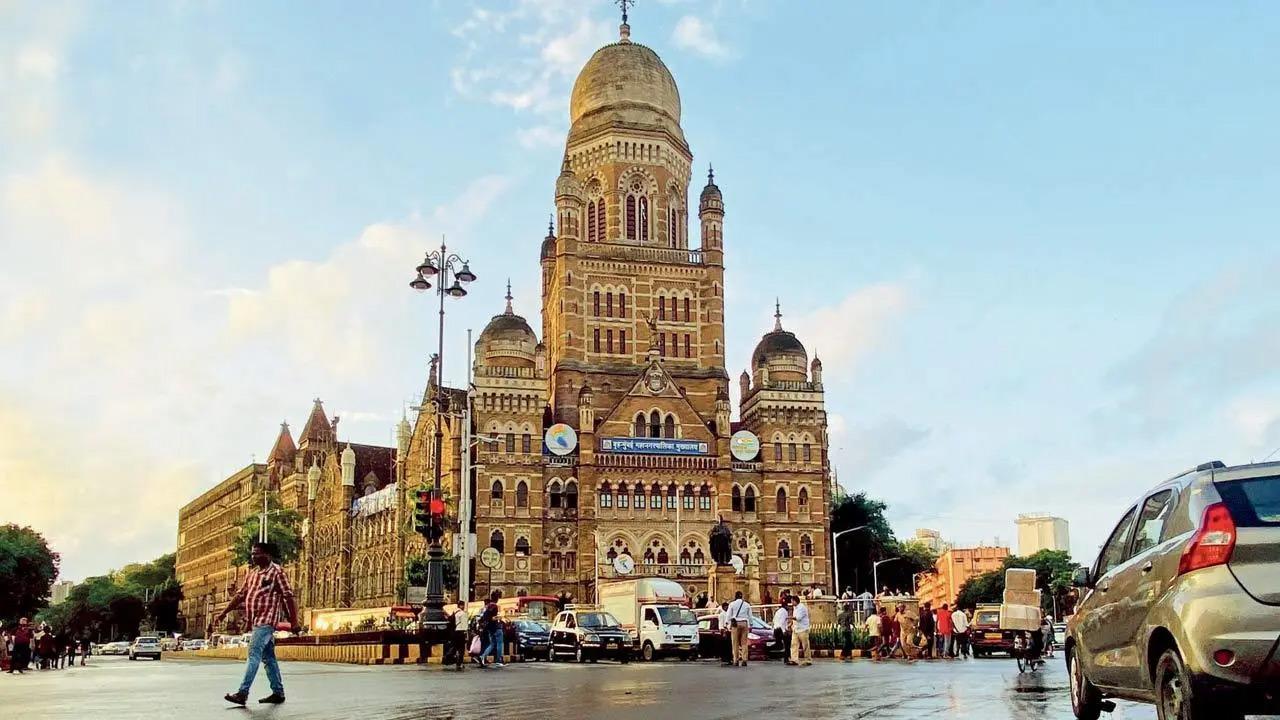
Mumbai’s civic administration has unveiled one of its largest-ever municipal spending plans, signalling a strategic shift towards climate-aligned finance and long-term infrastructure funding. The ₹80,900 crore-plus budget for 2026–27 positions sustainability-linked instruments, including proposed municipal green bonds, at the centre of the city’s next phase of urban development—an approach that could reshape how Indian cities fund climate resilience.
The budget, tabled by the city’s top municipal official before the Standing Committee, outlines plans to tap capital markets for the first time through green bonds, with an initial target of ₹500 crore. These funds are intended to support projects such as wastewater treatment, sewage infrastructure and desalination—sectors critical to Mumbai’s water security and environmental compliance. Officials say the move aligns municipal finance with Mumbai’s Climate Action Plan while opening the door to Environmental, Social and Governance (ESG)-focused institutional investors. The overall outlay for 2026–27 marks a clear rise from the previous financial year, with around 60% earmarked for capital expenditure. This tilt reflects the civic body’s emphasis on asset creation at a time when Mumbai faces mounting pressures from ageing infrastructure, climate risks and rapid urbanisation. Urban finance experts note that green bonds, if successfully executed, could lower borrowing costs and reduce dependence on reserve funds over the long term.
Beyond bond financing, the budget relies on a mix of revenue augmentation measures, including internal temporary transfers, asset monetisation through Infrastructure Investment Trusts, and higher one-time premiums on additional development rights for leasehold redevelopment projects. While reserve funds have marginally declined, a significant portion remains ring-fenced for statutory liabilities, leaving over ₹36,000 crore available for infrastructure investment. Spending priorities underline the city’s infrastructure-heavy agenda. The largest allocations are directed towards water supply, sewage treatment plants, road concretisation, major bridges and coastal infrastructure, including the Mumbai Coastal Road project and the Goregaon–Mulund Link Road. The bridge department alone has seen a sharp year-on-year increase, reflecting a renewed focus on structural safety and east–west connectivity.
Environmental monitoring also features in the budget, with funds set aside for air quality management through hyper-local sensor networks maintained in collaboration with IIT Kanpur. Civic officials say this data-driven approach is aimed at targeted enforcement rather than broad-brush regulation, particularly in pollution hotspots. The education and health sectors continue to command significant allocations, with increased spending on school infrastructure, digital initiatives including artificial intelligence tools, and upgrades to municipal hospitals across the suburbs. Analysts view these investments as essential to ensuring that large-scale infrastructure expansion does not come at the cost of social services.
For urban planners, the budget’s real test will lie in execution. If green bonds are successfully raised and deployed transparently, Mumbai—through the Brihanmumbai Municipal Corporation—could set a precedent for climate-linked municipal finance in Mumbai, offering a model for other Indian cities navigating the intersection of growth, resilience and fiscal responsibility.
Mumbai Municipal Budget Prioritises Green Infrastructure