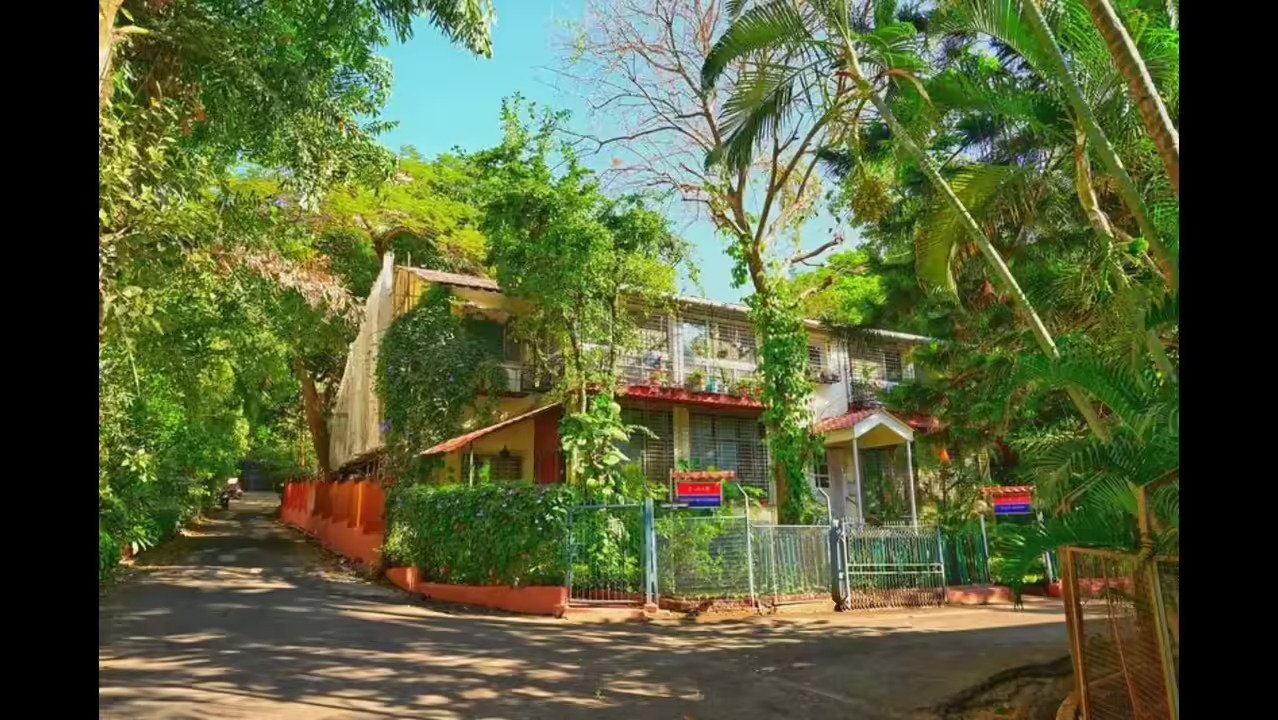
A large, low-density residential enclave along Warden Road in south Mumbai is set to undergo a significant transformation, signalling another shift in how the city’s most exclusive land parcels are being repurposed amid rising redevelopment pressures. Development rights for the 4.3-acre estate—one of the last bungalow clusters in this coastal stretch—have been transferred to a leading private real estate firm, although project details are still under evaluation.
Located off Bhulabhai Desai Road, the site forms part of a rare green pocket in south Mumbai, characterised by mature trees, wide internal roads and detached residences with ancillary quarters. Urban planners say the potential redevelopment highlights the economic realities facing legacy landowners and charitable institutions in high-value districts, where maintaining ageing properties has become increasingly unviable. According to regulatory filings reviewed by Urban Acres, the land is owned by a long-established charitable trust that has historically catered to community welfare objectives. Over time, the trust’s rental income reportedly failed to keep pace with maintenance costs and statutory obligations, limiting its ability to fund charitable activities. Industry observers note that monetising development rights has emerged as a common route for such institutions to remain financially sustainable.
The redevelopment mandate has been acquired by Lodha Group, one of Mumbai’s largest residential developers. The developer has confirmed the transaction but indicated that land-use configuration, design approach and construction timelines are still being assessed, given the site’s scale, location and sensitivity. Importantly, not all structures within the compound fall under the redevelopment agreement. A residential tower on the premises has been excluded, pointing to a phased and negotiated redevelopment strategy rather than a blanket overhaul. Experts say this reflects the complexity of redeveloping legacy estates with multiple occupants, lease arrangements and heritage considerations.
Urban economists point out that such transactions are reshaping south Mumbai’s built environment. Large plots once designed for single-family occupation are increasingly being unlocked to meet contemporary housing demand, especially in areas with existing civic infrastructure, public transport access and proximity to employment hubs. However, this also raises concerns about tree cover loss, pressure on utilities and the erosion of neighbourhood character. City planners argue that projects of this nature must now align with climate-responsive design norms, including on-site green cover retention, rainwater harvesting and energy-efficient construction. “Redevelopment in mature urban zones cannot follow old templates,” said an urban development expert. “These sites must offset density with sustainability.”
The transaction has received statutory clearance from the charity regulator, including approval of a revenue-sharing arrangement that will provide the trust with a long-term income stream and a dedicated built asset upon completion. Market analysts say such structures are increasingly preferred as they balance financial returns with institutional continuity. As Mumbai continues to densify, the redevelopment of this Warden Road estate will be closely watched—not just for its real estate value, but for how responsibly it integrates new construction into one of the city’s most established urban landscapes.
Mumbai Warden Road Bungalow Cluster Set For Redevelopment