


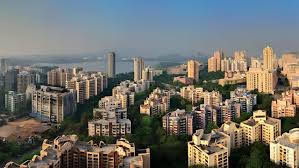
India’s urban expansion is no longer defined solely by its largest metros. A growing group of Tier 2 cities from Pune and Ahmedabad to Lucknow and Indore is steadily emerging as a new engine of employment, infrastructure investment, and real estate development. As India’s urban population continues to rise, these centres are evolving into self-sustaining economic regions rather than spillover markets for saturated metros.
For decades, Mumbai, Delhi, and Bengaluru absorbed a disproportionate share of capital and migration. Today, rising housing costs, land constraints, and infrastructure stress in these megacities are pushing businesses and households to consider alternatives. Tier 2 cities offer comparatively affordable land, improving connectivity, and proactive state industrial policies. In western India, Pune combines a strong IT presence with established automobile manufacturing clusters, enabling diversified job creation. Ahmedabad is leveraging its industrial base while positioning itself as a financial services hub through the development of GIFT City. Meanwhile, Indore’s proximity to manufacturing belts and its reputation for urban cleanliness are enhancing its appeal to both investors and migrants. Northern India is witnessing similar momentum. Lucknow is transitioning from an administrative centre into a broader services and defence-linked industrial node, supported by expressway and metro investments. Jaipur is diversifying beyond tourism into technology and knowledge-led industries, aided by improved connectivity to Delhi. Further south, Coimbatore is expanding beyond its textile legacy into engineering and emerging technology services, while eastern port city Visakhapatnam is pairing industrial infrastructure with IT ambitions.
In central India, Nagpur is capitalising on its geographic advantage as a logistics hub integrated with freight corridors and aviation-linked development. Urban economists suggest this decentralised growth pattern could reduce pressure on overstretched megacities while distributing economic opportunity more evenly. However, the transformation also presents challenges. Rapid expansion requires coordinated planning around transport, water security, waste management, and affordable housing. Without sustainable design, emerging Tier 2 cities risk replicating the congestion and environmental stress of older metros. Encouragingly, many of these cities are investing in metro rail systems, ring roads, industrial corridors, and digital infrastructure. Smart city initiatives and improved governance capacity are strengthening liveability metrics, attracting both domestic migrants and returning professionals from larger cities.
The next phase of India’s urbanisation will likely be shaped less by a handful of megacities and more by a network of interconnected growth centres. If managed with climate resilience and inclusive planning at the forefront, Tier 2 cities could anchor a more balanced and sustainable urban future.
Also Read: Mumbai Sunteck Realty posts FY21 profit rise
Tier 2 cities reshape Indias urban future
