


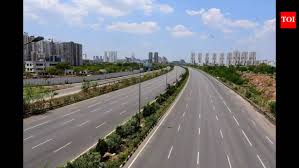
Hyderabad’s Core Urban Region within the Outer Ring Road is confronting a widening shortage of municipal engineers, raising concerns over the execution and oversight of large-scale infrastructure projects across the metropolitan area. Officials across the tri-corporation jurisdiction — comprising the Greater Hyderabad Municipal Corporation, Malkajgiri Municipal Corporation and Cyberabad Municipal Corporation — indicate that recruitment gaps spanning more than a decade have eroded technical capacity at a critical growth phase.
The Core Urban Region, commonly referred to in planning circles as CURE, covers the dense urban expanse inside the Outer Ring Road. It is currently witnessing simultaneous roll-out of high-value projects, including road expansion, stormwater management upgrades and strategic mobility corridors. However, insiders say the engineering wing is operating with skeletal strength relative to project volume.Over the years, responsibilities such as solid waste management and street lighting have been shifted to the engineering department without corresponding recruitment. Previously, these functions were supported through deputations from the health and power distribution departments. The internal redistribution of roles has thinned core project oversight capacity, particularly in design, quality control and maintenance divisions.
Senior officials acknowledge a pronounced hierarchy gap. A significant cohort of experienced engineers is approaching retirement, while mid-level officers are due for rapid promotions with limited transition time. This compression of experience threatens institutional memory, especially as infrastructure spending under flagship urban programmes runs into hundreds of crores annually.An expert committee more than a decade ago had recommended structured staffing norms based on annual project outlay. With Hyderabad undertaking initiatives such as strategic road development and large-scale nala modernisation, technical requirements have multiplied. Urban governance analysts argue that infrastructure expansion without proportional human resource planning can lead to delays, cost escalations and weaker quality assurance.
Across the tri-corporation region, total engineering staff strength reportedly stands at just over 500, heavily concentrated at junior levels. Estimates within administrative circles suggest that more than 600 engineers may be required to adequately support maintenance, projects, design scrutiny and emerging responsibilities linked to waste management and electrical systems in the CURE zone alone.The implications extend beyond bureaucratic efficiency. Engineering oversight directly influences flood mitigation, road safety, drainage resilience and asset lifecycle management — areas that shape citizens’ everyday urban experience. As Hyderabad densifies and climate pressures intensify, robust technical staffing becomes central to building resilient infrastructure.
With multiple mega-projects lined up, municipal authorities face a pivotal choice: accelerate recruitment and skill development or risk execution bottlenecks. The trajectory of Hyderabad’s next phase of urban growth may well depend on how swiftly this institutional capacity gap is addressed.
Hyderabad ORR core region staff crisis
