Chennai Commuters Face Salty Drinking Water Issues
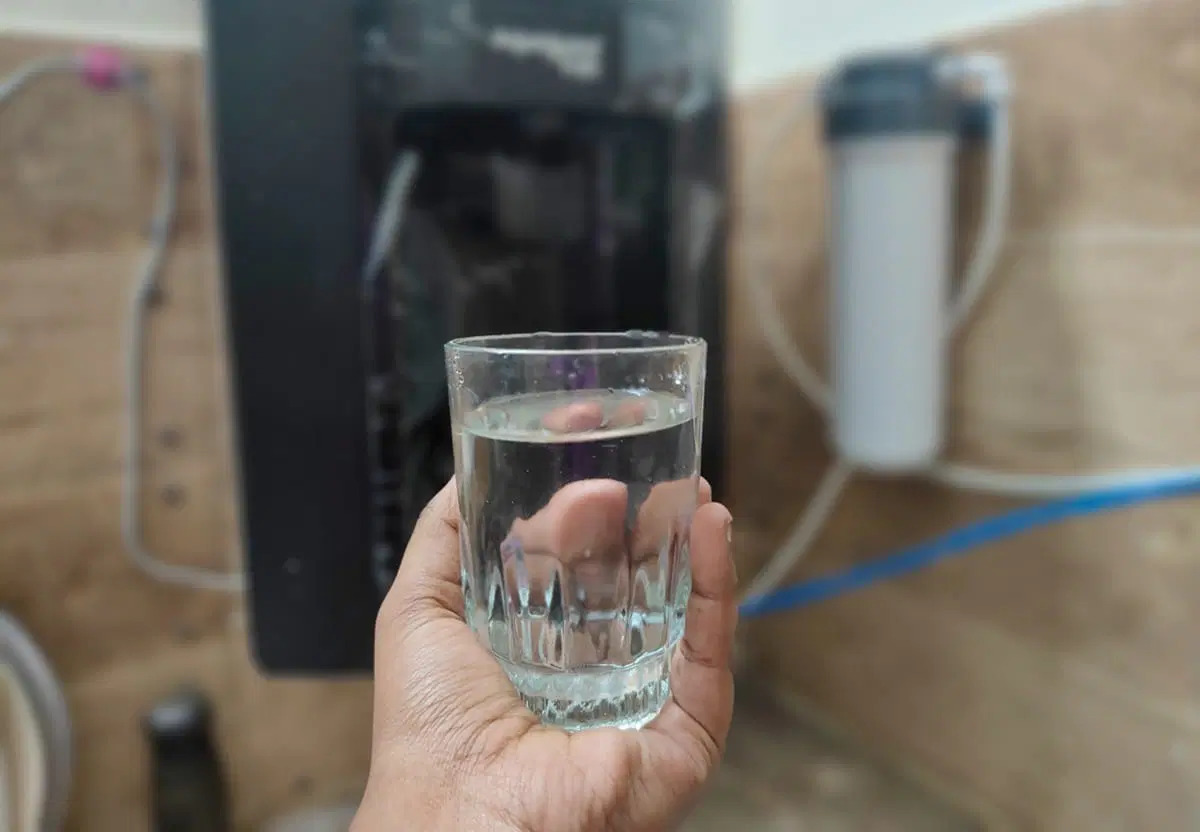
Daily commuters along the Chennai Beach–Velachery MRTS corridor are grappling with unexpectedly saline drinking water at key suburban stations, highlighting ongoing challenges in urban infrastructure and public service delivery. Passengers at Chintadripet and Light House stations reported a noticeably salty taste in tap water, forcing many to rely on bottled alternatives.
The corridor, a critical spine for thousands of office-goers, students, and small traders, illustrates how basic service disruptions can ripple across urban mobility patterns and civic well-being. Reliable drinking water at transport hubs is essential not only for commuter comfort but also for public health, particularly in a coastal city where heat and humidity heighten daily water needs. A senior railway official confirmed that temporary interruptions to the municipal water supply prompted stations to connect borewell water as a stopgap measure. Metro Water pipeline upgrades near Light House have disrupted the usual supply, resulting in elevated salinity levels in station taps. While borewell water meets immediate volume requirements, it falls short of standards for public consumption, particularly with regard to taste and mineral balance.
Urban planners and infrastructure specialists note that such interruptions underscore broader challenges in Chennai’s climate-resilient infrastructure planning. Coastal aquifers in the region naturally carry higher salinity, yet integration with treated municipal water is essential for equitable, safe urban service delivery. The incident highlights the need for long-term solutions, including redundancy in municipal pipelines, routine water quality monitoring, and adaptive design of station amenities. Economically, repeated dependence on private bottled water imposes hidden costs on commuters, often disproportionately affecting daily wage earners and students. In parallel, service inconsistencies at heavily trafficked stations could dampen public confidence in mass transit, nudging more commuters toward private vehicles and increasing urban congestion and carbon emissions.
Experts emphasise that temporary interventions, while necessary during infrastructure upgrades, must include clear public communication, alternative safe water sources, and proactive quality testing. Integrating sustainable urban water management practices such as desalination, storage, and contingency supply lines into transit planning could mitigate similar disruptions in future. As Chennai continues its push toward modern, resilient, and inclusive transport corridors, ensuring that auxiliary amenities like drinking water match the reliability of rail services will be essential. Restoring treated Metro Water supply is expected to resolve the immediate issue, but the episode highlights the intersection of urban mobility, climate vulnerability, and civic infrastructure in coastal megacities.