Chennai’s suburban commuters on the busy Beach–Tambaram corridor will soon experience a smoother journey as Southern Railway and city transport authorities implement expanded services. The measures come in response to disruptions caused by ongoing upgrades at Egmore station, which have constrained train frequency and increased passenger congestion during peak hours.
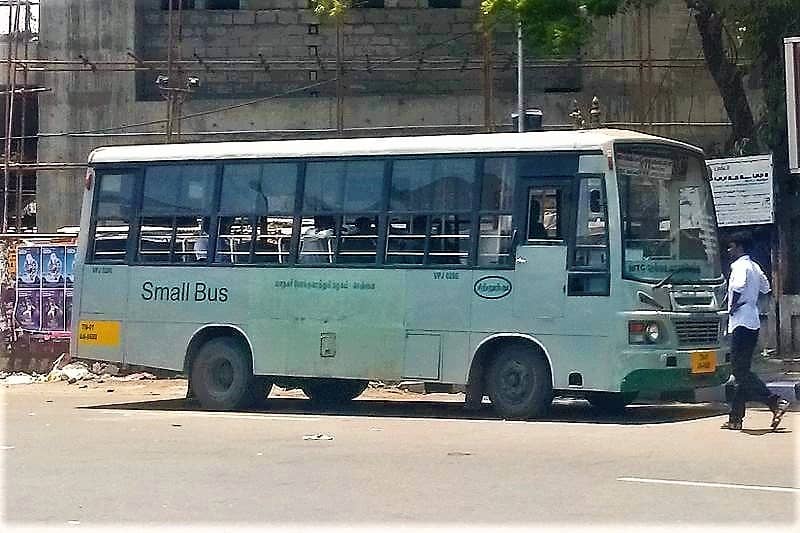
The new strategy focuses on deploying 15-coach electric multiple units (EMUs) on fast suburban services during morning and evening rush periods. These extended trains are designed to stop only at key stations, including Tambaram, Mambalam, Guindy, Egmore, and Chennai Beach, reducing travel time from approximately 75 minutes to around 60 minutes. By increasing passenger capacity per service, railway officials aim to alleviate overcrowding while maintaining the efficiency of suburban operations. Complementing the rail expansion, the city’s Metropolitan Transport Corporation (MTC) will operate 20 additional bus services along the same corridor in each direction during peak hours. These buses will service major points such as Tambaram Sanatorium, Chromepet, Pallavaram, Tirusulam, Guindy, and Parry’s Corner, running at seven-minute intervals. Commuters with valid train tickets or season passes will be eligible to use the buses without additional charges, ensuring a seamless multimodal option for daily travellers.
Urban planners suggest that these integrated measures offer both short-term relief and longer-term lessons for Chennai’s public transport ecosystem. “Enhancing train capacity while providing alternative bus corridors reflects a people-first approach to mobility planning,” said a senior urban infrastructure expert. “It also aligns with broader objectives of reducing road congestion, improving air quality, and supporting equitable access to city transport.” The introduction of longer trains has necessitated adjustments in long-distance services. Several express trains that previously departed from Egmore have been rescheduled or rerouted to terminate at Tambaram, allowing peak-hour suburban trains priority over congested tracks. This reorganisation reflects the delicate balancing act Indian metropolitan rail systems must maintain between regional connectivity and dense intra-city commuter demand.
Analysts highlight that Chennai’s approach could become a model for other Indian cities facing infrastructure upgrades without the luxury of service suspension. By combining higher-capacity trains with flexible bus networks, the city mitigates immediate commuter disruption while embedding climate-conscious and inclusive mobility principles. Longer-term, such strategies may support a gradual modal shift from private vehicles to public transit, helping the city meet zero-carbon urban mobility targets. As the Egmore station redevelopment continues, these measures provide a pragmatic template for sustaining commuter confidence, improving travel predictability, and easing daily congestion pressures. Authorities are monitoring passenger volumes and service performance, signalling that further refinements could follow based on observed demand patterns.