Indore Modular Barriers Aim To Improve Road Safety
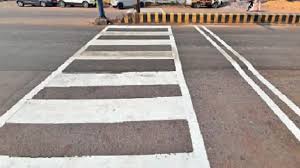
The Bihar government has embarked on an expansive road safety initiative by rolling out 14,000 zebra crossings across urban and rural districts, a measure aimed at reducing traffic accidents and protecting pedestrians on increasingly busy roads.
Officials say the campaign to install clearly marked pedestrian crossings is part of a wider state effort to upgrade transportation infrastructure and embed safety into the fabric of everyday travel. The directive, issued by senior administrators, instructs relevant departments including the Road Construction and Rural Works wings to complete the installation and painting of zebra crossings by 30 April 2026, with priority given to accident-prone points near schools, hospitals, marketplaces and high-traffic junctions. Road safety advocates and urban planners have welcomed the scale of the rollout.
With mixed traffic conditions and rising vehicle ownership, Indian cities and towns are grappling with road hazards for pedestrians — particularly children, the elderly and differently-abled commuters. Zebra crossings, when planned and enforced effectively, can serve as fundamental infrastructure for promoting safe road-crossing behaviours and reducing conflict between pedestrians and vehicles. The programme’s timing aligns with other state directives to improve pedestrian infrastructure. In recent sessions, senior policymakers urged the construction of footpaths at crowded urban spots to ensure smooth and secure movement along busy corridors, reflecting an integrated approach to safety-centric street design. Yet, experts caution that street markings alone do not guarantee behavioural change. The impact of zebra crossings — especially in high-speed zones — is influenced by complementary measures such as traffic calming features, signage, proper lighting, and consistent enforcement of vehicle stopping norms.
Without these, even well-painted crossings may be ignored by motorists, undermining the underlying safety goals. A senior transport official explained that the state’s approach combines infrastructure with awareness — authorities plan targeted campaigns in school zones and community clusters to educate drivers and pedestrians alike about road discipline and crossing etiquette. The effort echoes broader national road safety priorities aimed at reducing road fatalities, which remain a significant public health concern in India. Pedestrian safety infrastructure is particularly crucial in light of Bihar’s ongoing expansion of transport networks — from widening major roads to constructing bypasses and elevated corridors. As traffic volumes grow with economic activity, ensuring that non-motorised road users have safe, well-designated space becomes fundamental to inclusive mobility planning.
By delineating crossing points at identified risk locations, authorities aim to create predictable movement patterns that reduce accidents and improve the overall commute experience. For urban residents, this could mean safer routes to schools, markets and workplaces; for rural communities, the crossing markings can help integrate pedestrian journeys into broader transport planning, balancing motorised flows with human movement. Implementation challenges remain. Regular maintenance of the painted markings, real-time monitoring of compliance, and alignment with traffic signalling systems will be key determinants of success. Experts also stress that data collection on accident trends pre- and post-installation can offer valuable insights for refining future road safety strategies.
The zebra crossing initiative offers a structural step toward safer streets — but its long-term effectiveness will depend on sustained enforcement, community engagement and integration with comprehensive traffic management systems.