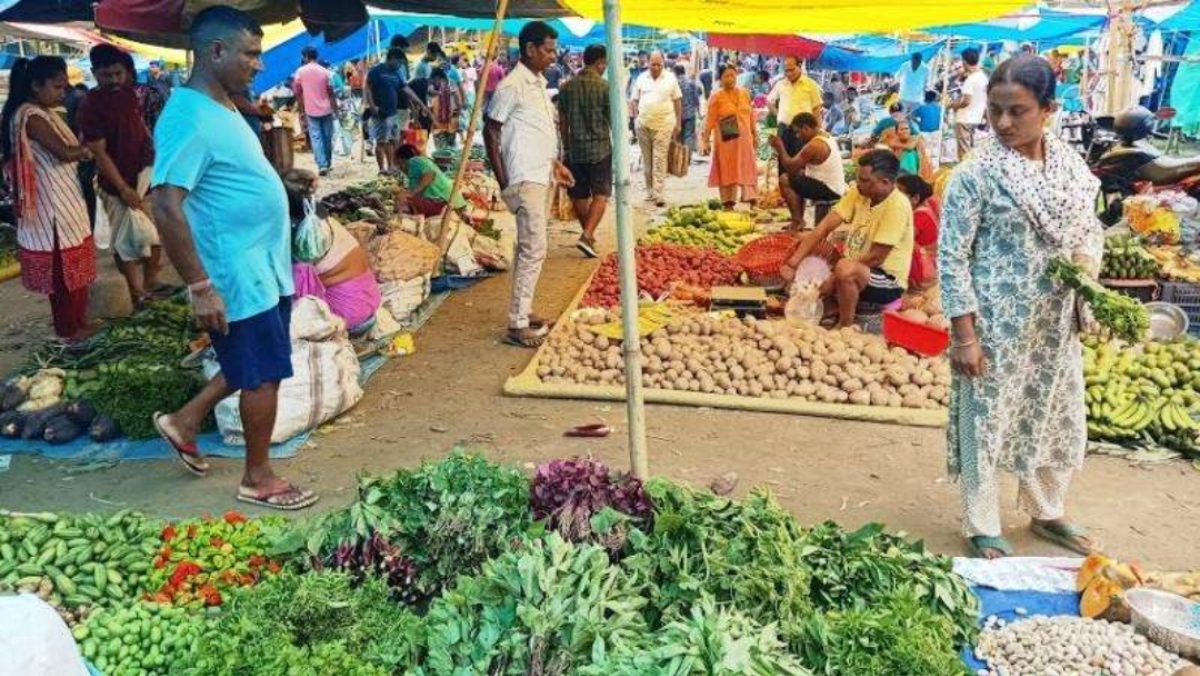
State authorities in Bihar have unveiled plans to develop 725 modern rural markets across the state, an ambitious infrastructure and livelihoods initiative designed to boost agricultural sales, support women entrepreneurs and strengthen rural economic ecosystems.
The programme forms a central part of the Viksit Bharat-Ji Ram Ji Mission, a government rural development strategy that aims to link producers directly with local buyers and formal supply chains while creating stable market platforms within villages. The markets — comprising 447 smaller haats and 278 larger bazaar sites — are scheduled for phased development based on land size and anticipated trade volume. Each site will receive basic infrastructure such as sheltered trading sheds, drinking water, sanitation, waste disposal pits, and designated stalls for local vendors, including stalls reserved for women self-help groups (SHGs). Larger market categories will also feature offices and multipurpose stores. Officials say the initiative is designed to correct a structural trend in rural economies: producers — including farmers, livestock rearers and artisans — have traditionally travelled long distances to reach town markets, often at significant personal cost and with limited bargaining power.
By creating modern local markets, the government aims to reduce transaction costs, increase producer incomes and enhance direct access to buyers. These changes could also help integrate rural commerce into broader agricultural supply chains, especially through linkage with the national e-NAM electronic marketing platform. Rural development experts observe that well-planned physical marketplaces remain essential economic infrastructure in India’s hinterlands, even as digital forums expand. A physical market serves as a focal point for economic activity, information exchange and price discovery — roles that digital systems alone cannot fully replicate, especially where internet access and digital literacy vary. Permanent, structured market spaces also facilitate ancillary services like cold storage, credit access and logistics. The planned markets will be administered at district level, with committees overseeing construction quality and ongoing operations. Market ownership will transition to local authorities once facilities are established, with elected representatives and administrative officials tasked with ensuring maintenance and regulation.
This decentralised governance model aims to promote accountability and responsiveness to local needs. Crucially, the markets are expected to empower rural women, who often rely on informal trade and operate within limited commercial networks. The inclusion of fixed stalls and dedicated spaces for women’s self-help groups is expected to expand opportunities for female entrepreneurs, enabling them to engage in local commerce more consistently. Economists say this could have multiplier effects on household incomes and social inclusion, particularly where women reinvest earnings into education and health. Environmental and urban-rural planners note that the initiative could curb rural-urban migration by creating viable economic alternatives at the village level. Markets that act as community nodes for commerce and service provision can slow the drift of youth toward crowded cities, easing pressure on urban infrastructure and promoting more balanced regional development.
Implementation will require careful coordination among departments, transparent budget allocation and robust monitoring to ensure that market construction meets standards and serves intended beneficiaries. Forward planning for transport links, digital connectivity and storage facilities will be central to long-term sustainability.