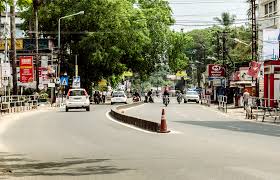
Kerala has approved a significant expansion of bus services in Ernakulam district, clearing 27 new routes aimed at strengthening last mile connectivity between Kochi’s IT corridors, industrial estates and surrounding rural communities. The move forms part of a wider state transport overhaul that will introduce more than 500 new routes, repositioning public buses as feeders to emerging transit and employment hubs.
Transport officials say the new alignments prioritise shorter, high-frequency services over traditional arterial road operations. Mini-buses and shuttle-style stage carriages are expected to serve residential clusters and employment nodes that remain underserved by existing networks.For Ernakulam, the most strategic additions focus on Kakkanad, home to major IT parks and special economic zones. Circular and radial routes linking Infopark, CSEZ and adjoining residential areas have been designed to reduce dependency on private cars among technology workers. A longer corridor connecting Perumbavoor to Kakkanad via intermediate growth centres is also part of the approved network.
Urban mobility planners note that synchronising road-based services with the upcoming metro expansion is critical. With the Kochi Metro’s Pink Line targeted for completion in 2026, feeder systems will determine whether high-capacity rail investment translates into meaningful modal shift. Strengthened last mile connectivity can significantly expand a metro’s catchment area without large capital outlays.The scheme has been notified under provisions of the Motor Vehicles Act, enabling regional transport authorities to issue permits under strict operational conditions. New vehicles must be registered within the state and equipped with speed governors, GPS tracking and digital monitoring systems. CCTV surveillance has also been mandated, reflecting a policy emphasis on passenger safety and service accountability.
Transport economists argue that Kerala’s dispersed settlement pattern makes integrated urban–rural mobility essential for equitable growth. Industrial clusters and IT campuses draw workers from peri-urban and rural areas where frequent public transport is limited. By improving last mile connectivity, authorities aim to widen access to employment while reducing congestion on key highways such as NH 66.There are environmental implications as well. Kochi’s rapid real estate expansion towards the eastern suburbs has increased commuting distances and vehicular emissions. Smaller, demand-responsive buses—if scheduled efficiently—can lower per capita fuel consumption and ease pressure on urban roads. Experts caution, however, that route rationalisation and fare integration with metro services will be necessary to maximise ridership.
For property markets, improved bus access often precedes residential densification. Enhanced transport links to Kakkanad and other growth corridors may influence housing demand patterns, particularly among middle-income households seeking affordability outside the city core.Implementation timelines and service reliability will ultimately determine public response. If executed effectively, the expanded network could offer a replicable template for climate-conscious mobility—one that links rail, road and employment hubs into a cohesive, people-first transport system.