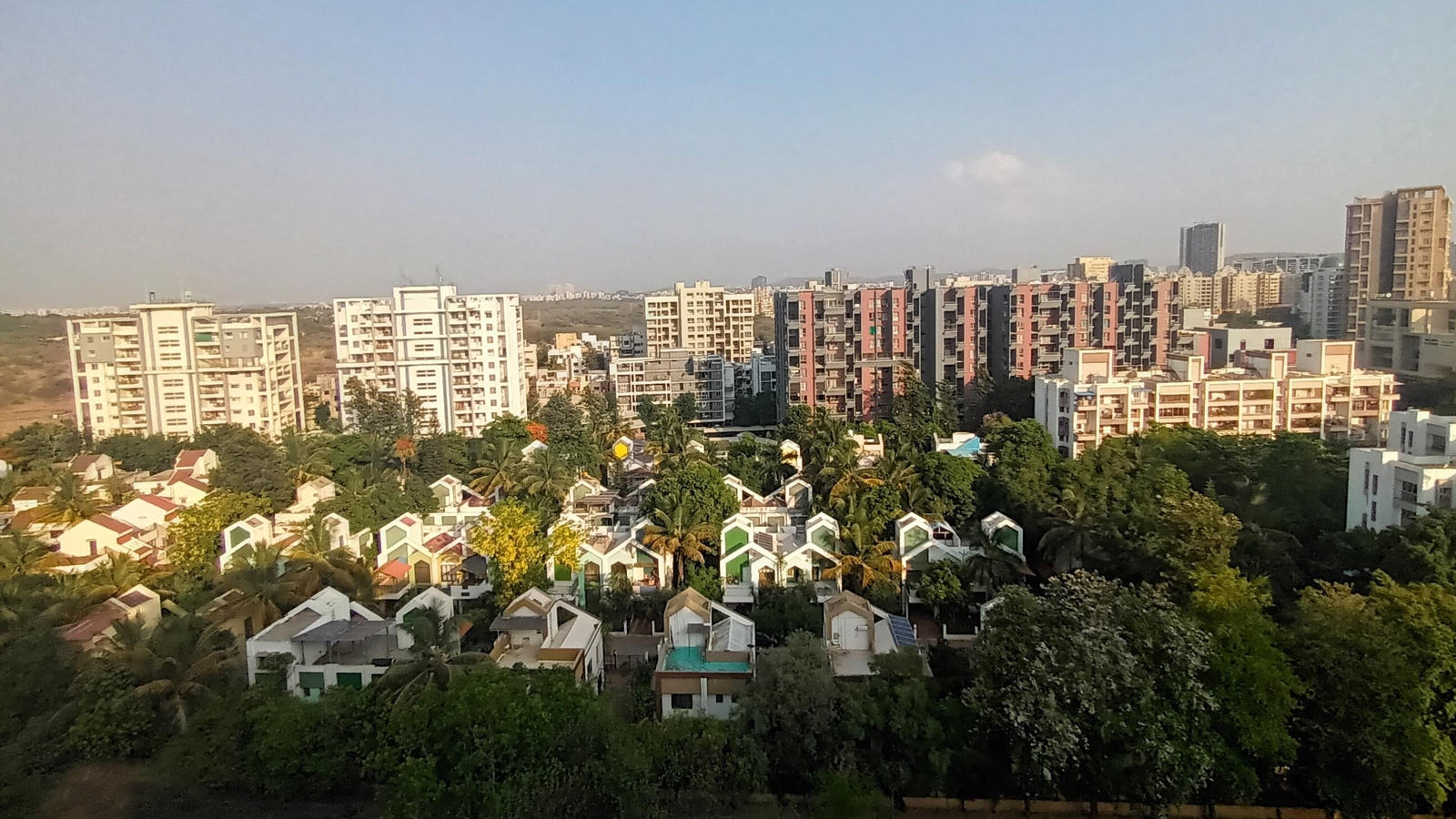
Pune: Residential market activity in Pune moderated at the start of the year, with property registrations declining by 17 per cent in January compared to the previous month, according to data from the state’s registration department. The slowdown reflects a seasonal adjustment after year-end transactions and highlights the sensitivity of housing demand to pricing, interest rates and supply dynamics in one of Maharashtra’s fastest-growing urban centres.
Market analysts say the drop in Pune property registrations follows a strong close to the previous calendar year, when buyers typically advance purchases to capitalise on festive demand cycles and financial planning deadlines. January often witnesses a reset in transaction volumes, though the extent of decline this year suggests a cautious approach among homebuyers. Pune’s housing market has expanded rapidly over the past decade, driven by its technology sector, educational institutions and improved connectivity to Mumbai via the expressway and upcoming infrastructure corridors. Micro-markets such as Hinjawadi, Kharadi and Wakad have seen significant residential supply additions. However, sustained price appreciation in select pockets and rising borrowing costs may be tempering short-term demand.
Industry experts indicate that while Pune property registrations have dipped month-on-month, year-on-year comparisons will provide a clearer signal of underlying momentum. Developers have continued to launch projects, particularly in the mid-income and upper mid-income segments, where demand remains relatively stable. Affordable housing, however, faces pressure from input cost inflation and land price escalation. Urban economists point out that transaction data offers insight not only into market sentiment but also into urban growth patterns. Registration volumes influence state revenues through stamp duty collections, which in turn fund public infrastructure and civic services. A sustained slowdown could affect municipal finances, especially in cities undertaking major transport and water supply upgrades.
At the same time, planners caution against equating a single month’s decline with structural weakness. Pune’s demographic profile anchored by a young workforce and steady migration continues to support long-term housing demand. The challenge lies in ensuring that new development aligns with climate-resilient planning principles, including water-sensitive design, energy-efficient construction and transit-oriented growth. Observers also note that supply concentration in peripheral areas increases reliance on road-based commuting, potentially exacerbating congestion and emissions unless matched by robust public transport expansion.
As Pune scales, balancing housing affordability with sustainable infrastructure will remain critical. For now, the moderation in Pune property registrations underscores a market recalibrating after a period of heightened activity. Whether this represents a brief pause or the beginning of a broader cooling trend will depend on credit conditions, job growth and the pace of infrastructure delivery in the months ahead.
Pune Sees Dip In Property Registrations