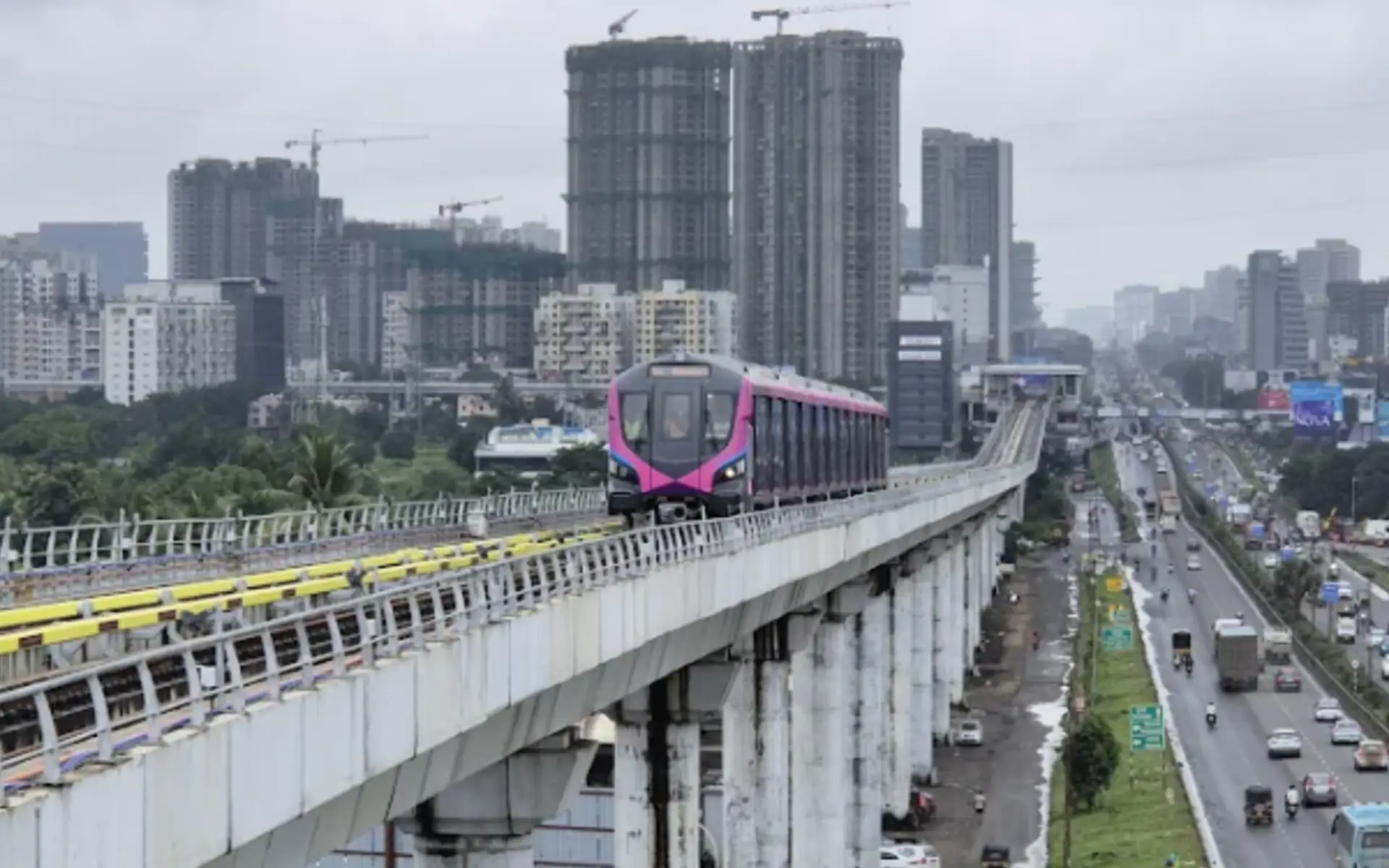
Pune is preparing for a phased launch of Metro Line 3 connecting Hinjewadi to Shivajinagar, with partial passenger services now expected in April, slightly later than earlier projections. Full operations across the 23-kilometre corridor are likely to follow after additional technical and safety clearances are secured. The Hinjewadi–Shivajinagar stretch, widely referred to as Pune Metro Line 3, is seen as a critical mobility spine for the city’s western IT and residential clusters. Developed under a public–private partnership framework by the Pune Metropolitan Region Development Authority, the line is designed to ease chronic congestion along the IT corridor, where peak-hour travel times can stretch unpredictably.
Officials overseeing the project indicate that while trial runs have been successfully undertaken on portions of the route, several station-level works remain in progress. Installation of vertical transport systems, signalling integration, ticketing infrastructure and fire safety mechanisms are among the components that must be completed before commercial operations begin. Mandatory inspections by the metro rail safety authority are also pending. Transport planners note that phased commissioning is common for large urban rail systems, particularly those built through hybrid financing models. However, the timing is significant. With the pre-monsoon season approaching, daily commuters working in Hinjewadi’s technology parks are hoping for relief after years of construction-related diversions and traffic slowdowns.
Beyond the launch timeline, attention is shifting to last-mile connectivity a decisive factor in determining whether Pune Metro Line 3 can shift commuters away from private vehicles. Employee associations and mobility experts have pointed to gaps in pedestrian access, cycling infrastructure, feeder bus planning and organised parking near several proposed stations. Without integrated last-mile planning, urban transport specialists warn that congestion could simply relocate to station peripheries. Successful metro systems in comparable Indian cities have relied on coordinated feeder services, shaded footpaths and clear interchange design to maximise ridership and reduce carbon-intensive commuting.
The corridor’s alignment linking Hinjewadi, Baner, Balewadi and the Shivajinagar transport hub has already influenced surrounding real estate markets. Developers anticipate higher demand for transit-oriented housing and office spaces within walking distance of stations. Urban economists argue that such growth must be guided by inclusive zoning policies to prevent speculative spikes that exclude middle-income households.
From a climate standpoint, the operationalisation of Pune Metro Line 3 carries long-term implications. If ridership targets are met, the corridor could reduce daily vehicular emissions along one of the city’s busiest arterial routes. Yet real emission reductions will depend on how effectively the metro integrates with buses and non-motorised transport networks. For now, April may mark the beginning of a gradual transition rather than a full transformation. The coming months will test whether infrastructure delivery can align with safety compliance, commuter expectations and the broader ambition of building a more resilient, low-carbon mobility ecosystem in Pune.
Pune Metro Line 3 services Phased Start