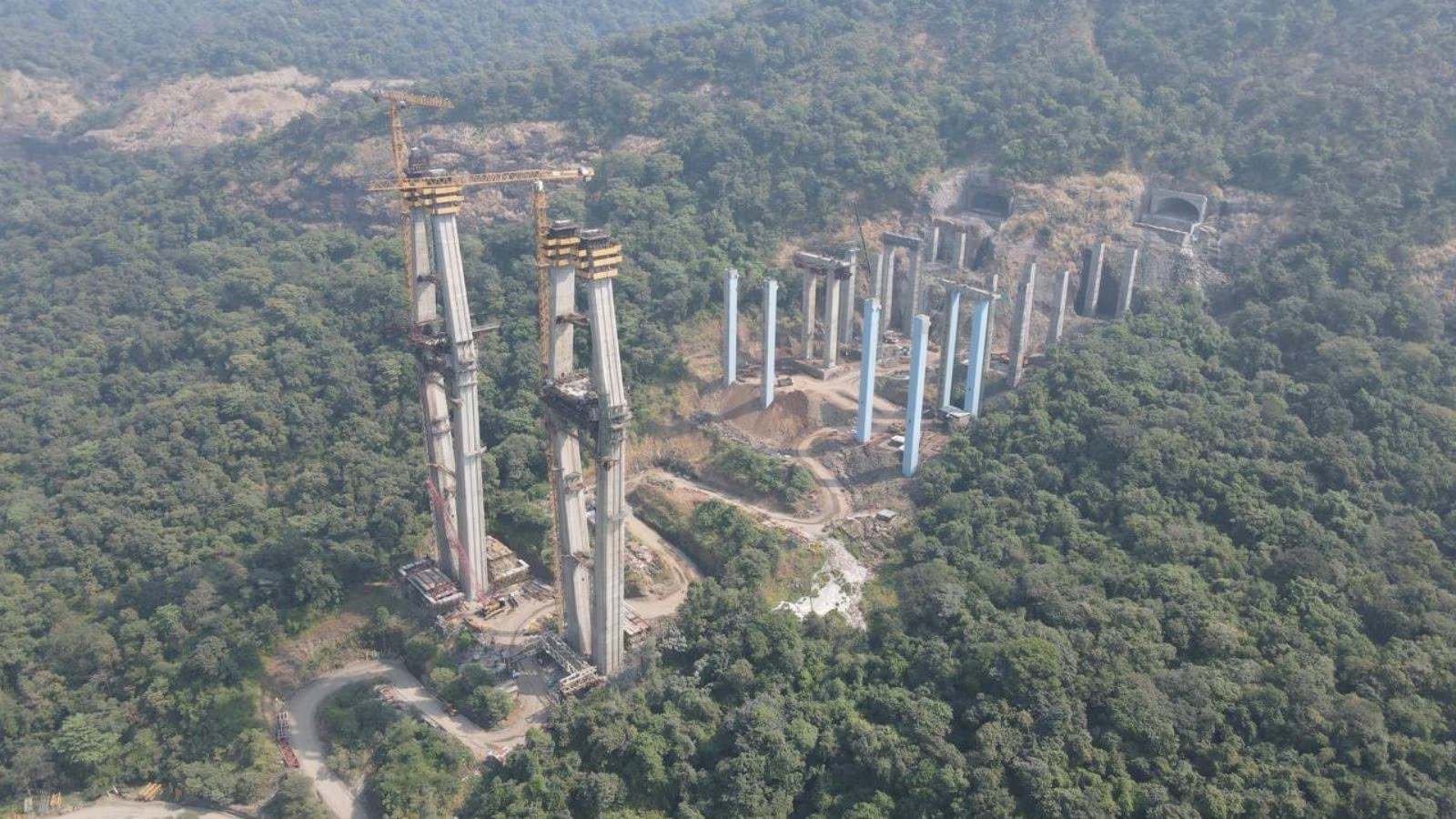
The long-delayed Mumbai Pune missing link on the Mumbai–Pune Expressway is expected to open to traffic by May, potentially reducing travel time between the two cities by nearly half an hour and bypassing one of the most accident-prone ghat stretches in Maharashtra. Developed by the state road agency, the 13.3-kilometre engineering corridor is designed to streamline traffic flow while improving safety along a critical economic artery.
The Mumbai Pune missing link connects the Khopoli exit to Kusgaon, effectively avoiding the steep and congestion-heavy section near Lonavala. Once operational, it will shorten the distance by approximately six kilometres and is expected to operate without an additional toll levy. Officials indicate that final structural works on the cable-stayed bridge component are nearing completion, after which surfacing and finishing activities will follow. The project includes two parallel tunnels measuring 1.68 kilometres and 8.87 kilometres respectively, each over 23 metres wide, making them among the widest in the region. The longer tunnel runs deep beneath the Lonavala lake zone. Engineers deployed specialised ventilation, fire detection and evacuation systems, along with water mist suppression mechanisms and real-time traffic monitoring software to enhance safety.
In addition to the tunnels, two cable-stayed bridges spanning 650 metres and 950 metres have been constructed, with the tallest pylon rising to around 184 metres. The viaduct design allows vehicles to traverse high-altitude terrain without negotiating sharp gradients, reducing braking strain and fuel consumption. Heavy vehicles carrying inflammable materials will not be permitted on this stretch, according to officials familiar with operational planning. Construction, however, has faced repeated delays. Initial completion targets set for 2024 were revised several times due to pandemic-era testing constraints for specialised bridge components, forest and environmental clearances, intense monsoon conditions in the Khandala forest belt, and the complexity of blasting operations near active roadways. Working in varied rock formations and managing tunnel excavation debris added to execution challenges.
Transport analysts view the Mumbai Pune missing link as more than a congestion-relief project. The expressway underpins logistics, manufacturing supply chains, and the real estate markets of both metropolitan regions. Reduced travel time can strengthen economic integration, support weekend tourism flows, and potentially expand residential catchments along the corridor. At the same time, urban mobility experts caution that expressway expansions must align with broader climate goals. While smoother gradients can lower vehicular emissions per trip, rising traffic volumes could offset efficiency gains.
Integrating the corridor with multimodal freight planning and strengthening rail connectivity will be essential to balance growth with sustainability.
If completed within the revised timeline, the project will mark one of Maharashtra’s most technically ambitious highway interventions. Its performance in easing bottlenecks and improving safety will be closely watched as the state continues to invest in high-capacity transport infrastructure linking major urban centres.
Mumbai Pune Missing Link Nears Opening