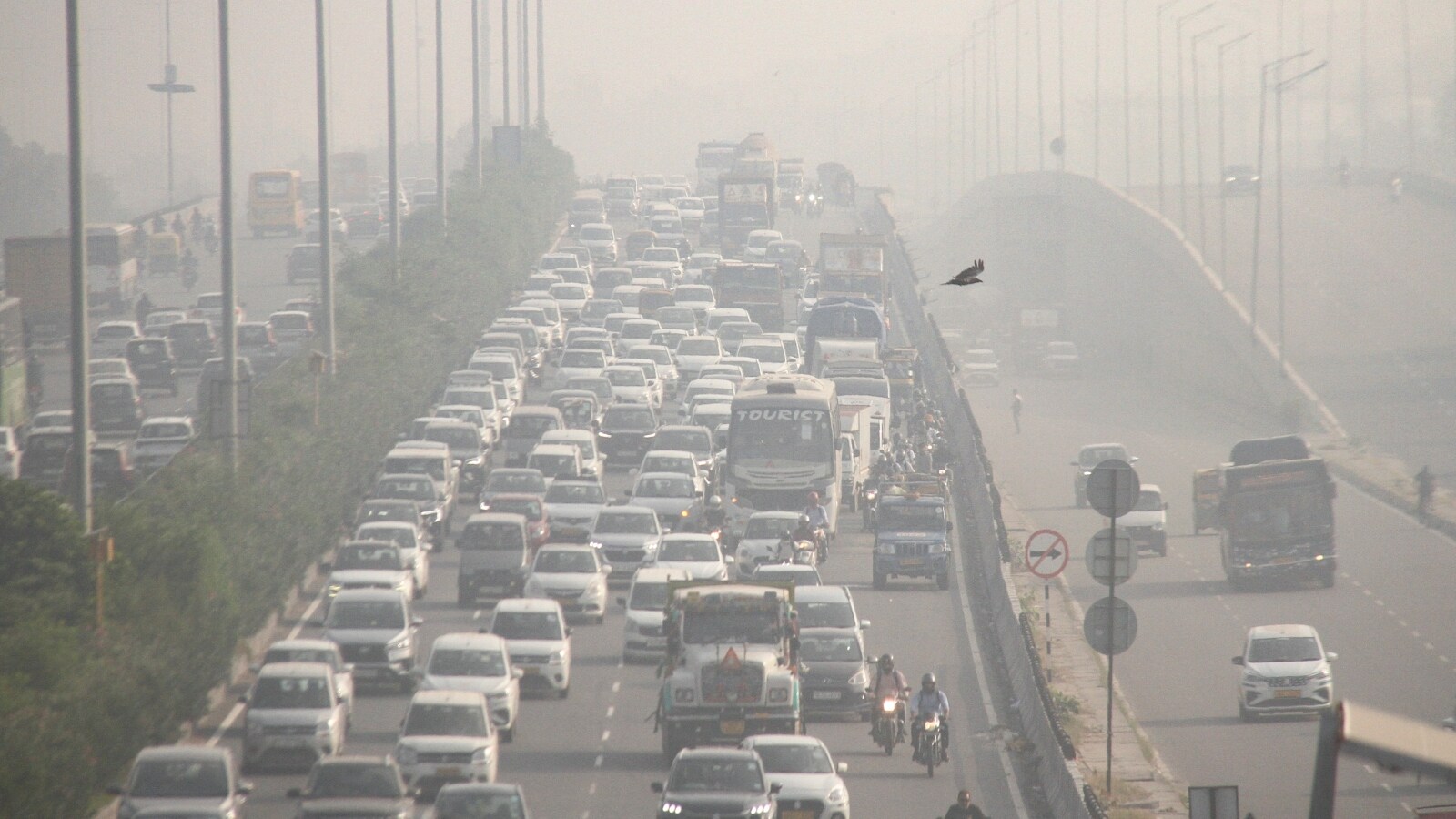
Mumbai Considers Healthy Air Zones To Curb Urban Pollution
New Delhi’s transport and environment authorities, spanning the National Capital Region (NCR), have now formalised a joint framework to mitigate road dust — a persistent contributor to airborne particulate pollution that undermines public health and climate resilience across one of the world’s fastest-growing urban agglomerations.
The initiative reflects a shifting focus toward structural, data-driven infrastructure management rather than piecemeal seasonal fixes. Senior officials from the Public Works Department and urban ministries of Delhi, Haryana, Uttar Pradesh and Rajasthan signed memorandums of understanding (MoUs) with expert research bodies to implement a standard road asset management system (RAMS) that enhances paving protocols, greening and maintenance on arterial networks throughout the NCR. The accords are aligned with guidance from the Commission for Air Quality Management (CAQM), which has emphasised scientifically mapping dust sources and harmonising interventions across jurisdictions. Roadborne dust — generated by unpaved shoulders, dilapidated surfaces and construction spillover — is a significant source of coarse particulate matter (PM10), a key determinant of poor air quality in the region.
Municipal authorities have historically relied on interim suppression tools such as manual sweeping or water spraying in winter peaks, but experts highlight that long-term roads management, combined with greening and better traffic engineering, is critical for year-round improvement. The new framework introduces standardised cross-section guidelines, improved right-of-way utilisation, and protocols for mechanised sweeping and real-time condition assessment. It also incorporates advanced data collection technologies such as ground-penetrating radar and automated vehicle classification to inform maintenance scheduling and prioritise high-dust corridors. Such systems aim to professionalise urban road management, reduce avoidable rework and lower life-cycle emissions tied to frequent surface distress. An official linked to the agreement said urban greening — using drought-resilient shrub species along road margins — will be integrated into redesigns to stabilise soil and reduce windblown dust.
Collaborating research institutes are expected to support capacity building and monitoring frameworks, while implementation will increasingly leverage digital tools like Web-GIS for transparency and performance tracking. For the nearly 50 million residents in Delhi-NCR, the strategy’s promise lies in moving beyond episodic pollution alarms to embedding air quality considerations into core infrastructure planning. Road dust is often overlooked in popular narratives around vehicle emissions or crop stubble burning, yet it persists year-round and cumulatively burdens respiratory health, particularly among vulnerable communities near major roadways. Urban planners caution that holistic outcomes will depend on synchronising road management with public transit expansion, non-motorised mobility and construction governance. Complementary actions such as improved construction dust oversight and stricter emission standards are already underway under CAQM directions, signalling a multipronged shift in the region’s air quality playbook.
If executed with measurable milestones and cross-state coordination, the standard framework could offer a replicable model for other Indian metros grappling with dust-driven particulate loads — a tangible step toward more climate-resilient and equitable cities.