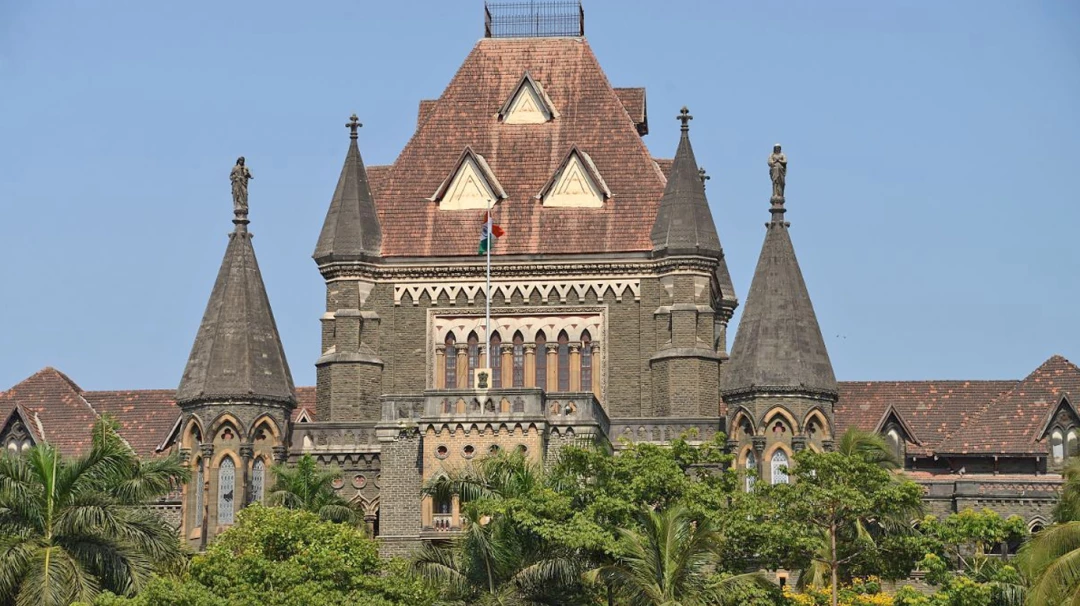
The Bombay High Court has directed the Brihanmumbai Municipal Corporation (BMC) and the Maharashtra state government to intensify efforts to address persistent pollution at the Kanjurmarg dumping ground, highlighting the urgent need for technological oversight and systematic waste management. The court emphasised that without robust expert monitoring and short-term remedial measures, the environmental and health impacts on nearby residents could continue unchecked, underscoring wider concerns over sustainable urban waste governance in India’s largest metropolis.
During proceedings, the court noted that urban landfills operating close to dense residential zones demand continuous supervision and advanced technological interventions. Experts in waste management and urban planning confirm that cities with high-density populations require dedicated technical cells to oversee contracts, environmental safeguards, and compliance across all operational stages of waste processing. The High Court suggested that such a model could serve as a benchmark for other urban waste facilities in India. The court approved immediate implementation of short-term measures recommended by its expert committee, including odour control, emission containment, and improved handling protocols, with compliance reports to be submitted for judicial review. Public interest petitions, including submissions by environmental organisations and resident associations, detailed ongoing health risks and foul odour problems, highlighting the social and civic stakes of inaction.
Officials from the BMC outlined measures such as enzyme treatment at collection points to curb decomposition before waste reaches the landfill and the use of imported tarp covers to contain emissions. While these interventions are in early stages, experts say that integrating waste-to-energy systems and decentralised collection treatments can significantly reduce environmental and public health risks if executed consistently. Senior urban planners emphasised that addressing upstream decomposition is critical to reducing nuisance at the dumping site itself. The High Court also indicated the possibility of an impromptu site inspection to assess ground conditions, signalling judicial intent to ensure practical accountability. Observers note that such oversight, combined with short-term technical measures, can create pressure for the BMC and state agencies to adopt evidence-based solutions rather than incremental or ad hoc interventions.
Long-term strategies will require structural reform in Mumbai’s waste management system, including relocation of landfill sites away from high-density habitation, creation of buffer zones with green cover, and adoption of advanced monitoring technologies. Industry specialists point out that cities globally have successfully transitioned to sustainable landfill operations by combining regulatory supervision, citizen engagement, and technological intervention. The Kanjurmarg directive represents a critical juncture for Mumbai’s urban waste infrastructure. With systemic reforms and timely implementation of technical solutions, the city could establish a scalable model for environmentally responsible and health-conscious waste management, balancing operational efficiency with citizen rights and urban sustainability imperatives.
Bombay HC Calls For Immediate Measures Kanjurmarg Dump