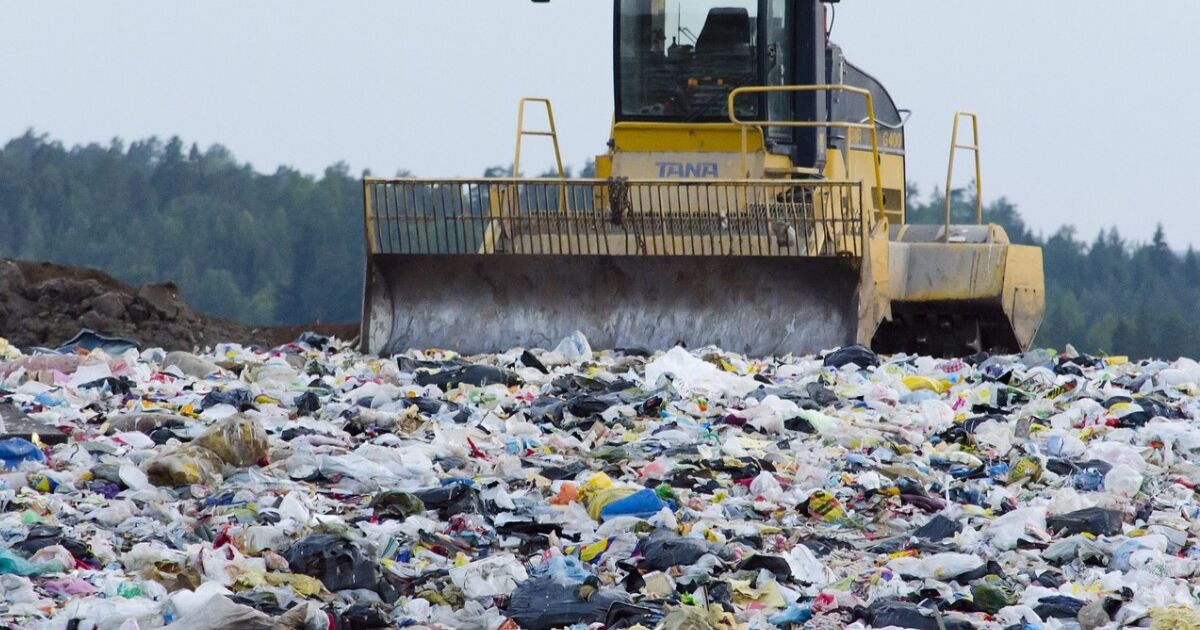
Kolhapur Boosts Waste Infrastructure With Rs11 Crore Plan
Patna, Bihar — The city’s urban authorities are moving forward with a significant expansion of solid waste processing capacity through a new Integrated Solid Waste Management (ISWM) plant, a development expected to strengthen the efficiency and sustainability of waste handling while addressing long-standing public health and environmental challenges.
Civic planners and waste management specialists say the facility could mark a turning point in how the city tackles municipal refuse, supports recycling ecosystems and reduces landfill dependence in the years ahead. The ISWM plant is designed to centralise waste segregation, treatment and resource recovery across multiple streams — including dry recyclables, organics and residual refuse — using modern processing technologies. Municipal officials indicate that the facility will leverage mechanical sorting, recycling and organic treatment systems to divert significant volumes of waste from open dumps, helping reduce pollution and operational pressures on existing disposal sites.
For a rapidly growing urban centre like Patna, which handles increasing volumes of municipal waste as populations and consumption patterns expand, capacity constraints have historically resulted in overflowing bins, ad-hoc dumping and environmental stress in peripheral wards. The ISWM initiative is expected to offer far more comprehensive management than piecemeal approaches, providing a structured pathway toward reducing landfill loads and capturing recyclable materials more systematically. Urban sustainability experts note that integrated waste facilities are an essential component of climate-resilient infrastructure — especially in cities with constrained land resources and mounting sanitation demands. By processing waste closer to the source and with higher rates of material recovery, such plants can cut greenhouse gas emissions associated with landfill decomposition and long-distance haulage, aligning with broader low-carbon urban development goals.
The economic benefits could also be meaningful. By creating value streams from recyclables and treated organic matter, the ISWM plant has the potential to catalyse local markets for secondary materials, reduce raw material imports into the region’s manufacturing supply chains, and even support small-scale enterprises in recycling and composting sectors. These ancillary economic activities are often under-developed in cities without centralised processing infrastructure, limiting opportunities for waste-driven livelihoods. Officials have emphasised that proper operationalisation will require significant coordination: from ensuring efficient household segregation at source to building robust collection logistics, to training staff in plant operations and environmental compliance. Source segregation — widely recognised as a prerequisite for effective ISWM systems — will be critical to maximising recycling rates and avoiding contamination in processed streams.
Social factors will also play a key role. Engaging residents, informal sector workers and local recycling cooperatives early in the plant’s rollout can help align expectations, improve participation in waste sorting, and mitigate resistance to new collection norms. Urban practitioners often point out that technology investments alone are insufficient if behavioural change and institutional support lag behind. The timing of this investment dovetails with wider municipal efforts to modernise urban services, including upgrades in water infrastructure, sanitation systems and public space management. Positioned alongside these improvements, the ISWM facility could significantly elevate city cleanliness indicators and contribute to a more liveable urban environment.
Looking ahead, the city’s next steps will include finalising operational protocols, engaging private sector partners for plant management, and establishing performance indicators to measure environmental and economic benefits over time. If executed effectively, the ISWM plant represents a holistic stride toward sustainable waste governance — one that could serve as a model for other rapidly urbanising cities facing similar waste management imperatives.