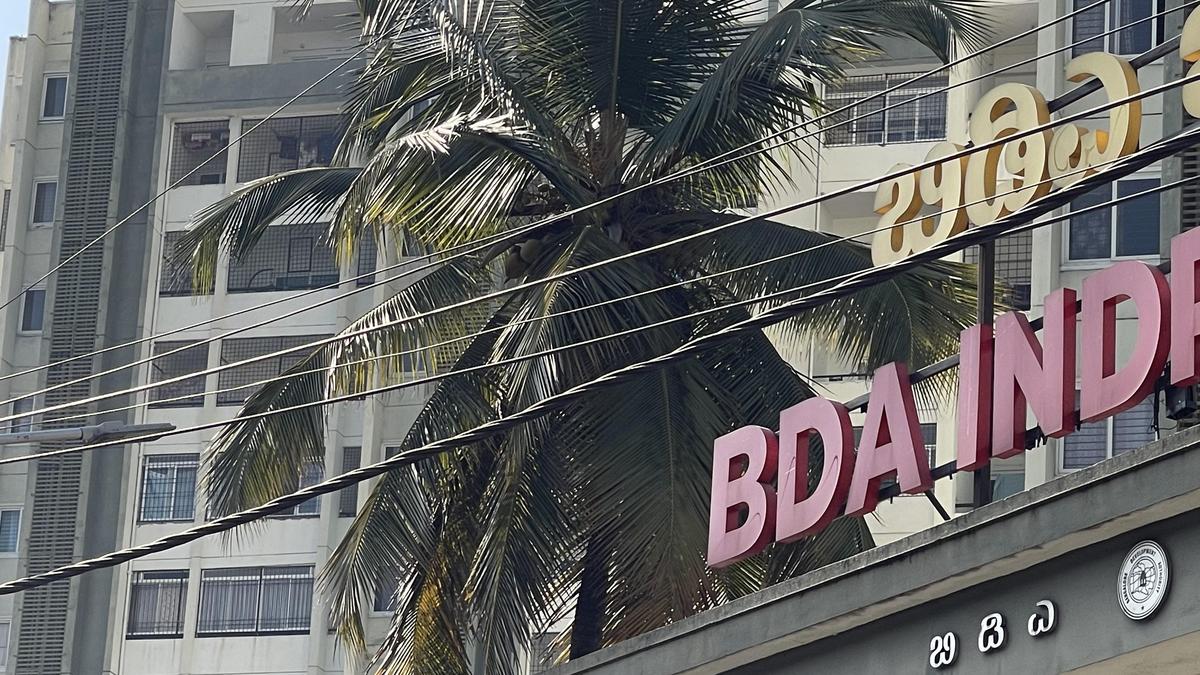
Bengaluru more than 2,000 homes built by the city’s development authority remain unoccupied, highlighting a growing mismatch between housing supply and urban infrastructure in India’s technology hub. Despite offering prices below private market rates, several residential complexes and luxury villas on the city’s outskirts are failing to attract buyers, raising questions about the effectiveness of public housing interventions.
Urban planners and housing analysts point to infrastructure deficits as the primary reason for stagnant sales. Many BDA projects are located in peripheral neighbourhoods that are poorly connected by roads and public transport. “The cost advantage is meaningless if daily commuting and basic amenities are unreliable,” said a senior urban development official. In addition, intermittent water supply, broken streetlights, and inadequate security have made these properties less appealing for families seeking habitability alongside affordability. Maintenance challenges compound the problem. Older complexes exhibit structural issues such as damp walls and leakage, while the absence of an active residents’ association has left cleanliness, security, and operational oversight largely unattended. This neglect discourages both existing owners and potential occupants, resulting in significant vacancies even in units that have been allotted.
The impact is felt in both sales and rentals. Areas such as Kanminike, Konadasapura, Alur, Valagerahalli, Gunjur, and Thippasandra report low rental uptake, with owners unable to find tenants despite offering competitive rates. Luxury villas at Hunnigere exemplify the severity: of 229 units constructed, only 40 have been sold in three years. Price adjustments aimed at reflecting rising construction costs have further pushed these units out of the “affordable” bracket. Efforts to stimulate demand, including housing fairs and limited bulk-purchase discounts, have yielded minimal results. Proposals to partner with private developers to market unsold units have been met with hesitation, with builders citing low commissions and logistical challenges.
The scale of unoccupied stock underscores the broader challenges of urban planning in fast-growing cities. Out of 6,116 units built across seven BDA phases, 2,294 remain unsold, representing a significant idle asset burden. Experts highlight that without improvements in connectivity, maintenance, and community engagement, these projects may continue to remain underutilised, despite the city’s ongoing housing shortage. As Bengaluru expands, the mismatch between affordable housing supply and functional urban infrastructure poses both social and economic consequences. Strategic investment in transport links, water supply, and property management, alongside inclusive planning, is critical to converting these public housing assets into viable, occupied communities.