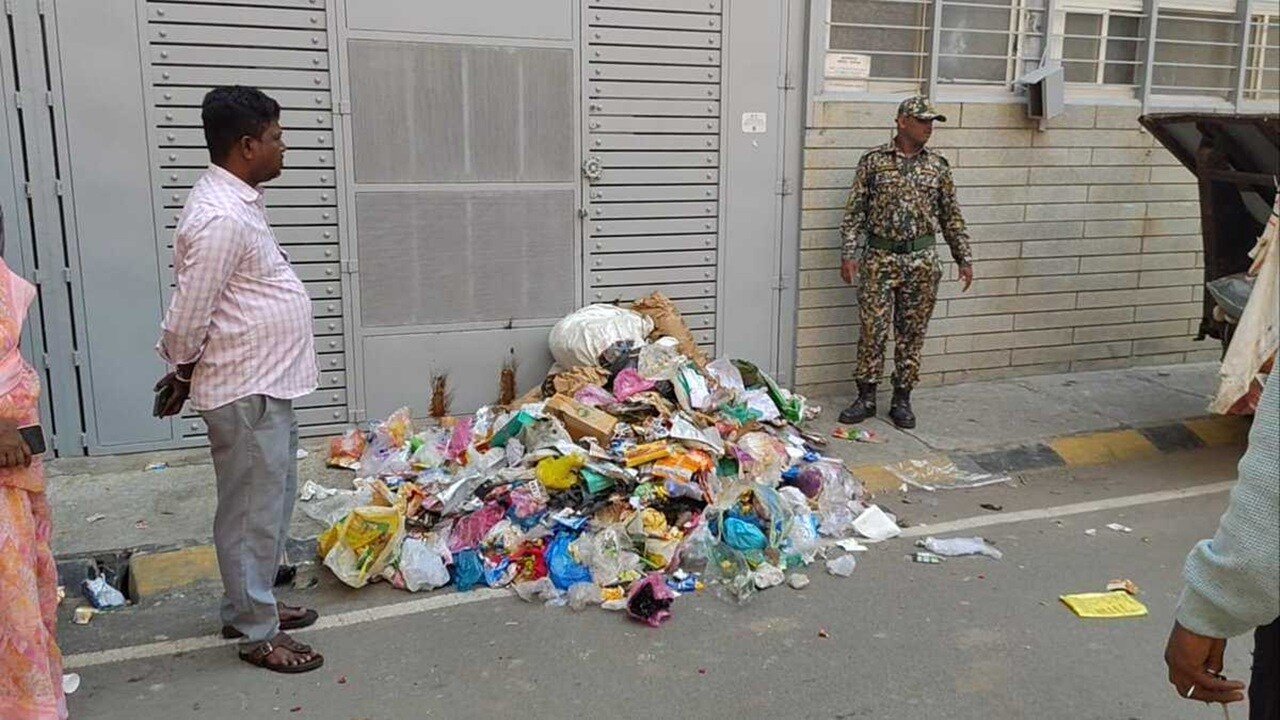
Bengaluru Waste Management Gets Major Financial Boost
The Karnataka government has secured Rs 2,245 crore under the Swachh Bharat Mission Urban 2.0, with Rs 512.68 crore earmarked for Bengaluru-specific initiatives aimed at modernising waste management. The allocation, pending submission of an approved Action Plan, marks a significant step towards streamlining urban sanitation and enhancing environmental resilience in one of India’s fastest-growing metropolitan regions.
Of the total allocation, Rs 709 crore is dedicated to solid waste management, of which Rs 625 crore has already received approval. The remaining tranche will be released once the state submits a plan vetted by the State Level Technical Committee, enabling timely disbursal to Urban Local Bodies (ULBs) for project execution. Experts note that efficient utilisation of these funds could accelerate the adoption of climate-conscious urban infrastructure in Bengaluru.
For the city alone, projects approved under the central scheme include the establishment of Material Recovery Facilities capable of processing over 1,200 tonnes of waste per day, a 460-tonne-per-day waste-to-energy plant, and an 800-tonne-per-day sanitary landfill. Additional measures encompass transfer stations handling more than 6,000 tonnes daily, remediation of over 10 million tonnes of legacy waste, and the deployment of 24 mechanical road sweepers. Collectively, these projects are expected to reduce landfill dependency, improve recycling efficiency, and enhance urban hygiene. Urban planners emphasise that while sanitation remains a state responsibility, the central funding acts as a catalyst for introducing modern, sustainable technologies and operational frameworks. With Bengaluru facing mounting challenges from rapid population growth and rising construction activity, integrated waste management solutions are essential for reducing public health risks and advancing the city’s climate resilience agenda.
Analysts point out that the pace of fund release and execution will directly impact Bengaluru’s ability to transition toward a circular economy in waste management. The Action Plan approval is therefore considered a critical milestone for ensuring that investments translate into tangible improvements, including reduced open dumping, efficient resource recovery, and environmentally responsible disposal practices. As cities like Bengaluru scale infrastructure to meet population and economic pressures, this infusion of capital could serve as a model for other urban centres seeking zero-carbon, people-first urban development. Monitoring project outcomes will be essential for assessing the effectiveness of financial interventions in achieving long-term environmental and social objectives.