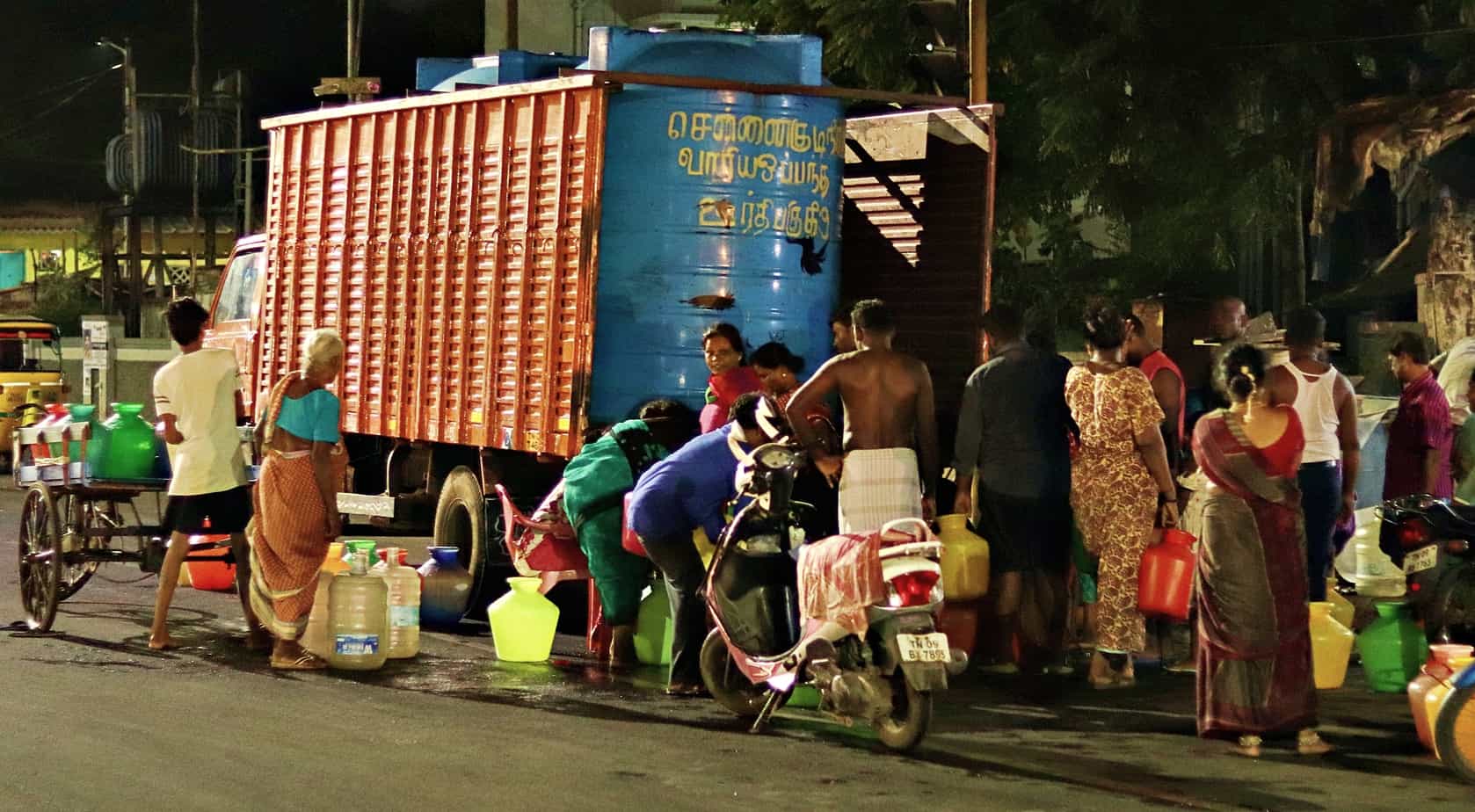
Chennai’s Kosasthalaiyar river basin has been identified as one of the most climate-vulnerable water systems in the region, highlighting a growing threat to the city’s water security and urban resilience. A new assessment of Chennai’s river sub-basins signals a dual exposure to both floods and droughts, raising concerns over long-term ecological and infrastructural stability.
Urban planners and environmental analysts note that rapid urban expansion along the Kosasthalaiyar corridor has outpaced drainage and sewage treatment capacities, leaving stormwater systems and groundwater resources under severe stress. High population density, industrial growth, and untreated wastewater discharge have collectively altered the river’s chemistry, reducing water quality and compounding the basin’s climate vulnerability. Water quality tests across northern and western stretches of the basin reveal that a majority of samples fall below standards for safe consumption, with contaminants such as nitrates, sulphates, and dissolved solids elevated due to industrial runoff and urban waste. Groundwater, critical for the city’s drinking and irrigation needs, mirrors this trend, signalling a structural challenge for municipal water management.
The Kosasthalaiyar river is pivotal to Chennai’s broader water supply framework. Flows from its tributaries feed the Poondi reservoir, a key source for the city’s drinking water, and maintain environmental flows necessary to sustain ecosystems. Experts warn that climate-driven variability in rainfall and groundwater depletion could compromise both human and ecological water requirements if interventions are delayed. Future development plans, including industrial corridors and ongoing metropolitan master plan revisions, are likely to place additional pressure on the basin, urban officials caution. Without integrated water management strategies, these interventions risk intensifying flood peaks, degrading water quality, and reducing overall resilience.
The assessment underscores the potential of circular water economy solutions. Targeted adoption of micro-irrigation, scaled reuse of treated wastewater, and improved stormwater management could reduce projected unmet water demand significantly by mid-century. Urban flood mitigation initiatives are also being highlighted as essential to buffer climate shocks and protect vulnerable communities. Analysts stress that sustaining the Kosasthalaiyar basin requires a coordinated approach, linking urban planning, environmental management, and infrastructure investment. As Chennai navigates continued growth, safeguarding the river system will be critical to ensuring equitable water access, limiting climate risk, and maintaining ecological balance across the metropolitan region.